Smart Home Devices Every Homeowner Should Install in 2026
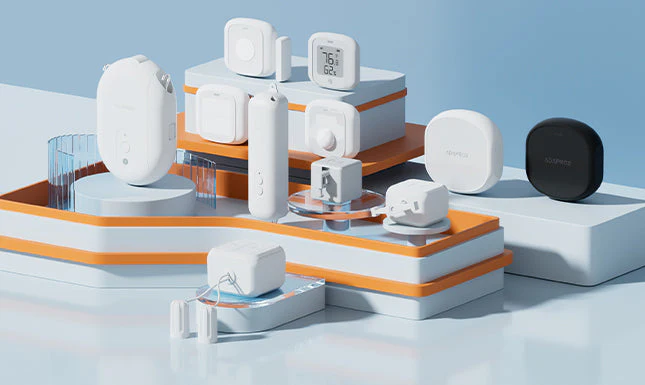
Smart home devices 2026 trends show one thing clearly — homes are getting smarter, safer, and more energy-efficient than ever before. If you’ve been wondering which gadgets are actually worth installing this year, you’re in the right place.
Gone are the days when smart homes meant complicated wiring and expensive setups. Today, smart devices are affordable, easy to install, and genuinely improve daily life — from saving electricity bills to enhancing home security.
In this guide, we’ll cover the most useful smart home devices 2026 homeowners should consider, along with practical tips on choosing and using them effectively.
1. Smart Video Doorbells for Better Security
A smart video doorbell is one of the easiest upgrades for any home. It lets you see, hear, and speak to visitors from your phone, no matter where you are.
Why it’s worth it:
- Instant alerts when someone’s at the door
- Recorded footage helps in case of theft or disputes
- Two-way audio deters unwanted visitors
Many Indian homeowners are now installing these devices alongside traditional CCTV setups for added peace of mind.
(Internal link suggestion: link to “Best Smart Home Security Systems Compared (2026 Guide)”)
2. Smart Locks for Keyless Convenience
Smart locks are becoming a standard feature among smart home devices 2026 buyers are choosing. They eliminate the hassle of carrying keys and allow remote access control.
Key benefits:
- Unlock doors using your smartphone or fingerprint
- Share temporary access codes with guests or house help
- Get notified whenever the door is locked or unlocked
This is especially useful for families with domestic help, rental properties, or frequent travelers.
3. Smart Thermostats and Climate Control
Managing indoor temperature efficiently is one of the biggest advantages of smart home technology. Smart thermostats learn your preferences and adjust automatically.
Benefits include:
- Lower electricity bills through optimized cooling/heating
- Remote temperature control via mobile apps
- Integration with AC units and fans for better efficiency
In Indian climates with intense summers, this device alone can significantly cut down on power consumption.
4. Smart Lighting Systems
Smart lighting is one of the most popular and affordable entries into home automation. It allows you to control lights remotely, set schedules, and even change colors for ambiance.
Practical uses:
- Automate lights to switch on/off based on your schedule
- Save energy with motion-sensor lighting in hallways
- Control brightness and mood lighting through voice commands
Smart bulbs are inexpensive and simple to install, making them a great starting point for beginners.
5. Smart Plugs for Instant Automation
If you’re not ready to replace your appliances, smart plugs offer an easy way to make any device “smart” without extra cost.
Uses include:
- Turning fans, lamps, or heaters on/off remotely
- Setting timers for appliances like water heaters
- Monitoring energy consumption of connected devices
This is one of the most budget-friendly ways to experience home automation.
6. Smart Smoke and Gas Leak Detectors
Safety devices are an essential part of any modern home. Smart smoke and gas detectors send instant alerts to your phone in case of danger, even when you’re not home.
Why they matter:
- Early detection prevents major accidents
- Alerts sent directly to your smartphone
- Some models auto-notify emergency contacts
These devices are especially valuable for families with elderly members or young children at home.
7. Smart Home Security Cameras
Beyond doorbells, indoor and outdoor smart cameras provide 24/7 monitoring capabilities. Many modern systems include night vision, motion detection, and cloud storage.
Key features to look for:
- HD video quality with night vision
- Motion-based alerts and recording
- Two-way communication and app integration
This is one of the fastest-growing categories among smart home devices 2026 consumers are prioritizing due to rising security concerns.
8. Voice Assistants and Home Hubs
A central voice assistant like Amazon Echo or Google Nest ties your entire smart home ecosystem together, allowing seamless control through voice commands.
Advantages:
- Control multiple devices with a single voice command
- Set reminders, alarms, and routines
- Integrate with lighting, security, and appliances
For homeowners building a fully connected smart home, a voice assistant acts as the command center.
Frequently Asked Questions
1. What are the most useful smart home devices 2026 homeowners should buy? Smart locks, video doorbells, thermostats, and lighting systems are among the most practical choices.
2. Are smart home devices expensive to install? No, many devices like smart plugs and bulbs are affordable and require no professional installation.
3. Do smart home devices actually save electricity? Yes, especially smart thermostats and lighting systems, which optimize usage based on real-time needs.
4. Are smart home devices safe from hacking? Choosing devices from reputed brands with strong encryption and regular updates significantly reduces risks.
5. Can I install smart devices without professional help? Most modern smart devices are designed for easy DIY installation using mobile apps.
6. Which smart home device should I buy first? A smart video doorbell or smart plug is usually the best starting point due to affordability and ease of use.
Conclusion
As homes continue to evolve, investing in the right smart home devices 2026 offers can make daily life more convenient, secure, and energy-efficient. From video doorbells to smart thermostats, each device adds real value without requiring a massive budget.
Start small — pick one or two devices that solve your biggest pain point, whether it’s security, convenience, or energy savings, and expand your smart home setup gradually.
Ready to upgrade your home? Choose your first smart device today and experience the difference smart technology can make.