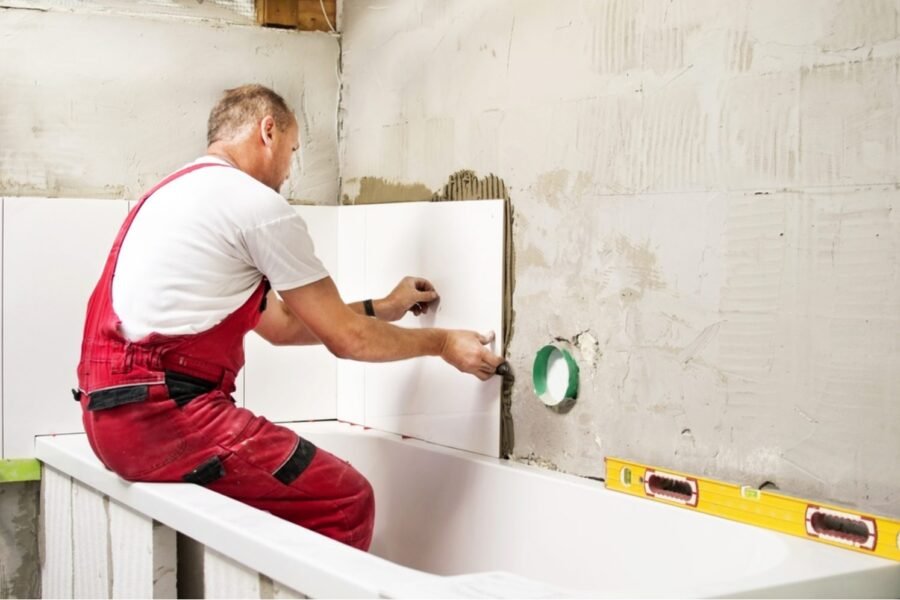
Category: Renovations

  • Bathroom Renovation Mistakes to Avoid Before You Start

    Bathroom Renovation Mistakes to Avoid Before You Start

    Planning a bathroom makeover but worried about making costly errors? Bathroom renovation mistakes are more common than you’d think, and they often end up costing homeowners extra time and money.

    Many people jump straight into buying tiles and fittings without proper planning, only to realize later that the layout doesn’t work or the plumbing needs major changes. These bathroom renovation mistakes can easily be avoided with the right preparation.

    In this guide, we’ll walk you through the most common pitfalls homeowners face during bathroom renovations, and how you can steer clear of them for a smooth, stress-free project.

    1. Skipping Proper Planning and Budgeting

    One of the biggest bathroom renovation mistakes is starting work without a clear plan or realistic budget.

    What often goes wrong:

    • Underestimating total costs, including labor and fittings
    • Not accounting for hidden plumbing or structural issues
    • Making design decisions on the spot without research

    How to avoid it:

    • Set a detailed budget with a 15-20% buffer for unexpected costs
    • List out every material and fixture you need before starting
    • Get multiple contractor quotes to compare pricing accurately

    Proper planning upfront prevents most bathroom renovation mistakes before they even happen.

    2. Ignoring Waterproofing Requirements

    Waterproofing is often overlooked, yet it’s one of the most critical aspects of any bathroom renovation.

    Common waterproofing mistakes:

    • Skipping waterproofing membrane installation before tiling
    • Not waterproofing walls around the shower area
    • Ignoring joints and corners where leaks commonly occur

    Why it matters: Poor waterproofing leads to seepage, damaged walls, and expensive repairs down the line — sometimes affecting neighboring rooms or floors below.

    Always insist on proper waterproofing treatment before any tiling work begins.

    (Internal link suggestion: link to “How to Prevent Pipe Leaks and Water Damage at Home”)

    3. Choosing the Wrong Tiles

    Tile selection is a common source of bathroom renovation mistakes, especially when style is prioritized over practicality.

    Mistakes to avoid:

    • Choosing glossy tiles for flooring, which become slippery when wet
    • Ignoring tile size for small bathrooms, making the space feel cramped
    • Not checking water absorption ratings before purchase

    Better alternatives:

    • Use matte or anti-skid tiles for flooring
    • Choose larger tiles for small bathrooms to create an illusion of space
    • Check for low water absorption tiles specifically designed for wet areas

    4. Poor Ventilation Planning

    Many homeowners renovate the visual aspects of a bathroom while completely ignoring ventilation — a mistake that leads to long-term issues.

    Consequences of poor ventilation:

    • Mold and mildew growth on walls and ceilings
    • Persistent bad odor
    • Damage to wooden fixtures or paint over time

    Solutions:

    • Install an exhaust fan if natural ventilation isn’t sufficient
    • Ensure windows, if present, open properly for airflow
    • Use moisture-resistant paint and materials

    Ventilation is easy to fix during renovation but expensive to correct afterward, making it one of the bathroom renovation mistakes worth prioritizing early.

    5. Overlooking Storage Needs

    A beautiful bathroom with no storage space quickly becomes cluttered and impractical.

    Common storage mistakes:

    • Not planning space for toiletries and cleaning supplies
    • Skipping mirror cabinets or wall-mounted shelves
    • Underestimating storage needs for larger families

    Smart storage solutions:

    • Install wall-mounted cabinets above the sink
    • Add recessed shelving inside shower areas
    • Use vertical space with tall, narrow storage units

    Planning storage during the design phase avoids awkward additions later.

    6. Choosing Fixtures Without Testing Fit and Function

    Buying fixtures purely based on appearance is one of the most common bathroom renovation mistakes homeowners make.

    What to watch out for:

    • Faucets that don’t match sink hole configurations
    • Shower heads with weak water pressure for your home’s plumbing
    • Toilet seats that don’t fit the available space properly

    Tips to avoid this:

    • Always check fixture dimensions against your bathroom layout
    • Test water pressure compatibility before finalizing shower systems
    • Buy from reliable brands with good after-sales support

    7. Hiring the Wrong Contractor

    The success of your renovation heavily depends on who executes it, yet many homeowners rush this decision.

    Red flags to watch for:

    • No written contract or unclear payment terms
    • Lack of experience with bathroom-specific plumbing and waterproofing
    • No references or previous work samples available

    How to choose right:

    • Ask for at least 3-4 completed project references
    • Get a detailed written quote covering materials and labor
    • Confirm timelines and payment milestones in advance

    Avoiding this mistake alone can prevent most other bathroom renovation mistakes from happening.

    (Internal link suggestion: link to “Bathroom Plumbing Upgrades Worth the Investment”)

    8. Not Planning for Future Maintenance

    Many homeowners focus only on the renovation itself, forgetting how easy (or difficult) the bathroom will be to maintain afterward.

    Maintenance-related mistakes:

    • Choosing hard-to-clean tile textures or grout colors
    • Installing fixtures with complicated cleaning requirements
    • Ignoring accessibility for future plumbing repairs

    Better approach:

    • Choose easy-to-clean surfaces and light grout colors with sealant
    • Ensure access panels are available for plumbing lines
    • Pick fixtures known for durability and low maintenance

    Frequently Asked Questions

    1. What are the most common bathroom renovation mistakes? Skipping waterproofing, poor ventilation planning, and choosing the wrong tiles are among the most frequent mistakes.

    2. How much should I budget extra for unexpected renovation costs? It’s recommended to keep a 15-20% buffer over your estimated budget for hidden issues like plumbing repairs.

    3. Why is waterproofing so important in bathroom renovation? Without proper waterproofing, water can seep into walls and floors, causing damage that’s expensive to repair later.

    4. What type of tiles are best for bathroom flooring? Matte or anti-skid tiles are recommended for bathroom flooring to prevent slipping.

    5. How long does a typical bathroom renovation take? A standard bathroom renovation usually takes 2-4 weeks, depending on the scope of work.

    6. Should I hire a contractor or do it myself? For plumbing and waterproofing work, hiring an experienced contractor is strongly recommended to avoid costly mistakes.

    Conclusion

    Avoiding common bathroom renovation mistakes comes down to careful planning, proper waterproofing, and choosing the right materials and contractor. A little extra research before you start can save you significant time, money, and stress later.

    Take your time during the planning phase, prioritize functionality alongside aesthetics, and don’t cut corners on waterproofing or ventilation.

    Planning a bathroom renovation soon? Use this checklist to avoid these common mistakes and create a bathroom that looks great and lasts for years.
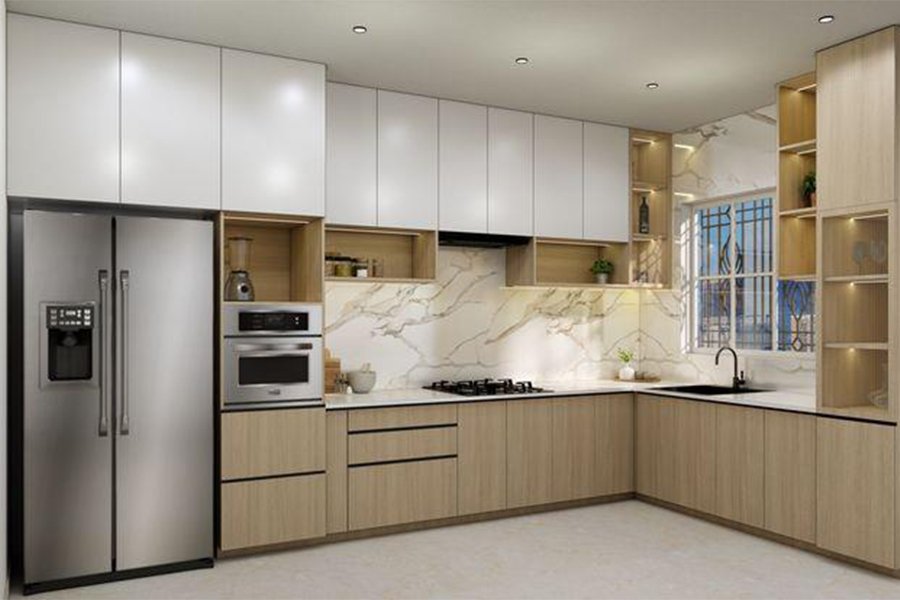
  • Kitchen Renovation Cost Guide: Budget vs Luxury Options

    Kitchen Renovation Cost Guide: Budget vs Luxury Options

    Planning a kitchen upgrade but confused about the kitchen renovation cost involved? You’re not alone. One of the most common questions homeowners ask before starting a renovation is how much it will actually cost.

    The truth is, kitchen renovation cost can vary massively depending on the materials, size, and finish you choose. A budget makeover and a luxury remodel can differ by lakhs, yet both can transform your kitchen beautifully.

    In this guide, we’ll break down the real numbers, compare budget vs luxury options, and help you plan a renovation that fits your needs and your wallet.

    1. What Affects Kitchen Renovation Cost the Most

    Before comparing budget and luxury options, it helps to understand what actually drives the price up or down.

    Major cost factors include:

    • Size of the kitchen and layout complexity
    • Choice of materials (laminate vs granite vs quartz)
    • Labor charges based on your city and contractor
    • Electrical and plumbing changes required
    • Appliances and fittings you plan to install

    Understanding these factors helps you estimate your kitchen renovation cost more accurately before you even start.

    2. Budget Kitchen Renovation: What to Expect

    A budget-friendly kitchen renovation focuses on functionality and a fresh look without high-end materials.

    Typical budget renovation includes:

    • Laminate or PVC modular cabinets
    • Granite or basic quartz countertops
    • Standard tiles for flooring and backsplash
    • Basic lighting upgrades

    Approximate cost range: ₹1.5 lakh to ₹4 lakh for a mid-sized kitchen, depending on the city and contractor.

    This option is ideal for homeowners who want a clean, modern kitchen without overspending, making it one of the most practical choices for most Indian households.

    (Internal link suggestion: link to “Budget Home Improvement Ideas That Increase Property Value”)

    3. Luxury Kitchen Renovation: What Changes

    A luxury kitchen renovation focuses on premium materials, custom designs, and high-end appliances.

    Typical luxury renovation includes:

    • Solid wood or high-gloss acrylic cabinets
    • Imported quartz or marble countertops
    • Premium modular fittings and soft-close drawers
    • Built-in chimney, hob, and smart appliances

    Approximate cost range: ₹8 lakh to ₹20 lakh or more, depending on kitchen size and brand choices.

    While the kitchen renovation cost is significantly higher here, the durability, aesthetics, and resale value are proportionally better.

    4. Kitchen Cabinets: Budget vs Luxury Comparison

    Cabinets typically make up the largest portion of kitchen renovation cost, so understanding your options is essential.

    Budget cabinet options:

    • PVC or laminate finish
    • Standard hinges and handles
    • Basic storage configurations

    Luxury cabinet options:

    • Acrylic, PU, or veneer finishes
    • Soft-close hinges and premium hardware
    • Customized storage solutions like pull-out baskets

    Choosing the right cabinet material can significantly influence your overall kitchen renovation cost, so it’s worth spending time comparing options.

    5. Countertops: Which Option Fits Your Budget

    Countertops play a major role in both aesthetics and cost.

    Common countertop choices:

    1. Granite – Budget-friendly, durable, widely available
    2. Quartz – Mid to high range, low maintenance, stylish finishes
    3. Marble – Luxury option, elegant but requires more maintenance

    If you’re trying to control your kitchen renovation cost, granite offers the best balance between durability and affordability.

    6. Flooring and Backsplash Cost Differences

    Flooring and backsplash tiles might seem like a small detail, but they add up quickly in your overall budget.

    Budget options:

    • Ceramic tiles for flooring
    • Simple tile backsplash

    Luxury options:

    • Vitrified or imported tiles
    • Designer glass or mosaic backsplash

    Choosing mid-range tiles is often the smartest way to balance style and kitchen renovation cost without compromising on looks.

    7. Appliances and Fittings: Where Costs Add Up Fast

    Appliances often surprise homeowners with how much they add to the total kitchen renovation cost.

    Budget appliance setup:

    • Basic chimney and hob
    • Standard modular sink and faucet

    Luxury appliance setup:

    • Built-in oven, dishwasher, and smart chimney
    • Designer faucets and premium sinks

    If your budget is tight, prioritize essential appliances first and upgrade gradually over time.

    8. Tips to Control Your Kitchen Renovation Cost

    Whether you’re going budget or luxury, these tips help you avoid overspending.

    Smart cost-saving tips:

    • Get at least 3 quotes from different contractors
    • Reuse existing plumbing and electrical points where possible
    • Choose mid-range materials instead of extremes
    • Plan the layout carefully to avoid costly changes mid-project
    • Set aside 10-15% extra budget for unexpected costs

    These strategies help keep your kitchen renovation cost predictable and manageable.

    (Internal link suggestion: link to “Best Flooring Options for High-Traffic Homes”)

    Frequently Asked Questions

    1. What is the average kitchen renovation cost in India? A budget renovation typically costs ₹1.5-4 lakh, while a luxury renovation can range from ₹8-20 lakh or more.

    2. Is quartz or granite better for kitchen countertops? Granite is more budget-friendly, while quartz offers better stain resistance and a wider range of designs.

    3. How can I reduce my kitchen renovation cost? Reusing existing plumbing points, choosing mid-range materials, and comparing contractor quotes can significantly cut costs.

    4. How long does a kitchen renovation usually take? A budget renovation may take 3-4 weeks, while a luxury renovation with custom work can take 6-8 weeks.

    5. Are modular kitchens worth the extra cost? Yes, modular kitchens offer better storage, durability, and resale value compared to traditional carpentry.

    6. Should I renovate my kitchen before selling my house? A minor budget renovation can improve resale value, but a full luxury renovation isn’t always necessary before selling.

    Conclusion

    Understanding kitchen renovation cost helps you make informed decisions, whether you’re going for a simple budget makeover or a complete luxury transformation. The key is balancing your priorities — functionality, aesthetics, and long-term durability — with what fits your budget.

    Start by listing your must-haves, get multiple contractor quotes, and choose materials that offer the best value for your specific needs.

    Ready to renovate your kitchen? Use this guide to plan your budget wisely and create a kitchen that truly works for you.