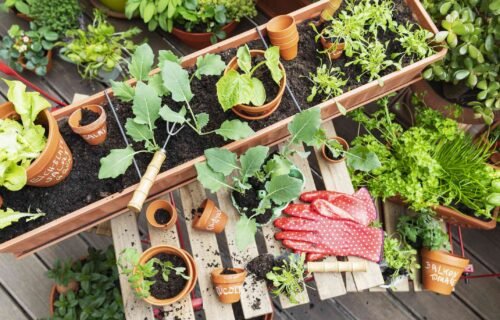
Vertical Gardening Tips for Small Outdoor Spaces
Wish you had more space to grow plants but only have a small balcony or terrace to work with? Vertical gardening tips can help you make the most of limited space, letting you grow a thriving garden without needing a large yard.
Many apartment dwellers and homeowners with small outdoor areas assume gardening isn’t possible for them. But with the right vertical gardening tips, even a compact balcony can become a lush, green space filled with plants.
In this guide, we’ll share practical vertical gardening tips that help you maximize every inch of your small outdoor space effectively.
1. Why Vertical Gardening Works for Small Spaces
Before diving into specific techniques, it helps to understand why growing upward makes such a difference.
Key advantages include:
- Maximizes growing space without needing more floor area
- Improves air circulation, reducing pest and disease issues
- Creates a visually appealing green wall effect
- Makes harvesting and maintenance easier at eye level
These benefits make vertical gardening tips especially valuable for apartment balconies, small terraces, or compact backyard spaces.
2. Use Wall-Mounted Planters
Wall-mounted planters are one of the most space-efficient vertical gardening tips for homes with limited floor space.
Popular options include:
- Pocket planters made from fabric or felt
- Modular wall planter systems with stackable pots
- Repurposed containers like plastic bottles or tin cans
Installation tip: Ensure wall-mounted planters have proper drainage holes to prevent water damage to walls, and use a waterproof backing if needed.
(Internal link suggestion: link to “Best Plants for Balcony Gardens in Small Apartments”)
3. Install a Trellis for Climbing Plants
Trellises are a classic yet highly effective vertical gardening tip, perfect for plants that naturally grow upward.
Best plants for trellis growing:
- Money plant (Pothos)
- Morning glory
- Beans and peas, for those wanting edible options
- Jasmine, for fragrant flowering vines
How to set it up:
- Attach a trellis securely to a wall or railing
- Plant climbing varieties at the base
- Guide young vines onto the trellis as they grow
This method is ideal for balconies where floor space is extremely limited but vertical wall space is available.
4. Use Hanging Baskets Strategically
Hanging baskets add another dimension to your garden without taking up any floor space at all.
Best practices:
- Hang baskets at varying heights to create visual depth
- Choose trailing plants like petunias or ivy for a cascading effect
- Use lightweight, well-draining potting mix to reduce weight strain
Placement tip: Position hanging baskets where they receive appropriate sunlight without blocking walkways or doorways.
5. Try Tiered or Stacked Planter Systems
Tiered planter systems are among the most practical vertical gardening tips for growing multiple plants in a compact footprint.
Types of tiered systems:
- Ladder-style plant stands with multiple shelves
- Stackable pot towers for herbs or small vegetables
- Step-style shelving units against a wall
Why it works: These systems allow you to grow several plants within a small square footage, making them perfect for balconies or narrow terraces.
(Internal link suggestion: link to “How to Start a Kitchen Garden at Home”)
6. Repurpose Everyday Items as Vertical Planters
Creative reuse of household items is one of the most budget-friendly vertical gardening tips available.
Ideas to try:
- Old wooden pallets converted into vertical planter walls
- PVC pipes cut and mounted for compact herb gardens
- Shoe organizers repurposed as hanging pocket planters
Sustainability bonus: Repurposing materials reduces waste while giving your garden a unique, personalized touch.
7. Choose the Right Plants for Vertical Growing
Not all plants thrive in vertical setups, so selecting appropriate varieties is essential for success.
Best plant categories for vertical gardens:
- Herbs: Mint, basil, and coriander grow well in small pockets
- Succulents: Compact and low-maintenance for wall planters
- Climbers: Money plant, jasmine, and beans for trellis growing
- Trailing plants: Ivy and petunias for hanging baskets
Matching plant type to your vertical structure ensures healthier growth and less maintenance overall.
8. Maintain Proper Watering and Drainage
Vertical gardens require slightly different watering approaches compared to traditional ground-level gardens.
Important considerations:
- Water tends to drain faster in vertical planters, requiring more frequent watering
- Ensure each tier or pocket has proper drainage to prevent waterlogging
- Consider a simple drip irrigation setup for larger vertical garden walls
Pro tip: Check soil moisture at different levels regularly, since upper sections often dry out faster than lower ones.
(Internal link suggestion: link to “Low-Maintenance Garden Ideas for Busy Homeowners”)
Frequently Asked Questions
1. What are the best vertical gardening tips for beginners? Starting with wall-mounted planters or a simple trellis for climbing plants is ideal for those new to vertical gardening.
2. Can vertical gardens be installed on rented balconies? Yes, hanging baskets and freestanding tiered planters are great non-permanent options for rented spaces.
3. What plants grow best in vertical gardens? Herbs, succulents, climbers like money plant, and trailing plants like petunias are excellent choices for vertical setups.
4. Do vertical gardens need more watering than regular gardens? Yes, vertical gardens often dry out faster, especially in upper sections, requiring more frequent watering.
5. Is vertical gardening suitable for small apartment balconies? Absolutely, vertical gardening is specifically designed to maximize growing space in compact areas like balconies.
6. How much does it cost to start a vertical garden? Costs vary widely, but budget-friendly options like repurposed containers and simple trellises can start very affordably.
Conclusion
Following these vertical gardening tips proves that limited space doesn’t mean limited greenery. From wall-mounted planters to trellises and hanging baskets, there are countless ways to create a thriving garden in even the smallest outdoor areas.
Start with one method that suits your space, whether it’s a simple trellis or a tiered planter system, and expand gradually as you gain confidence.
Ready to transform your small space? Try one of these vertical gardening tips this weekend and watch your compact garden come to life.