Best Smart Home Security Systems Compared (2026 Guide)
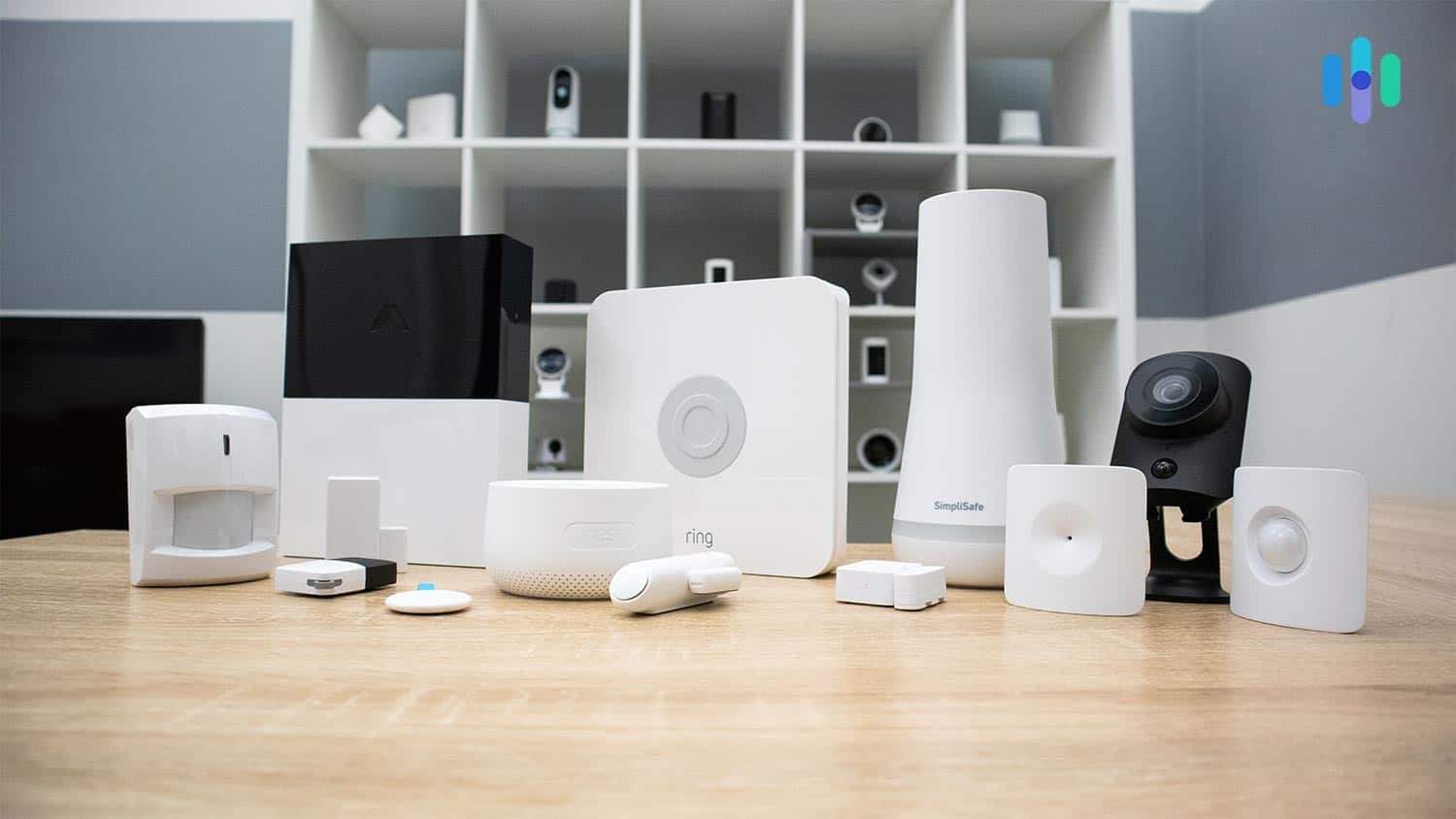
Choosing the right protection for your home can feel overwhelming with so many options available today. This guide compares the best smart home security systems of 2026, helping you understand which features actually matter and which system suits your needs.
With rising security concerns in both urban and semi-urban areas, more homeowners are moving beyond basic CCTV setups to fully integrated smart security systems. But not all systems are created equal, and choosing the wrong one can mean paying for features you’ll never use.
In this guide, we’ll break down the key categories of the best smart home security systems, compare their strengths, and help you make an informed decision for your home.
1. What Makes a Security System “Smart”
Before comparing options, it’s worth understanding what separates a smart system from a traditional one.
Key features of smart systems:
- Remote monitoring through a mobile app
- Integration with voice assistants like Alexa or Google Home
- AI-based motion detection that distinguishes people from pets or vehicles
- Automated alerts and instant notifications
- Compatibility with smart locks, lighting, and sensors
Understanding these features helps you evaluate the best smart home security systems based on what truly adds value, rather than marketing buzzwords.
2. DIY vs Professionally Monitored Systems
One of the biggest decisions when choosing a system is whether to go DIY or opt for professional monitoring.
DIY systems:
- Easier and cheaper to install yourself
- No long-term contracts in most cases
- Ideal for renters or smaller homes
- You’re responsible for responding to alerts
Professionally monitored systems:
- A monitoring team responds to alarms on your behalf
- Often include professional installation
- Higher monthly costs but added peace of mind
- Better suited for larger homes or families wanting full-service coverage
Among the best smart home security systems, both categories have strong options — the right choice depends on your budget and how hands-on you want to be.
(Internal link suggestion: link to “How to Childproof Your Home Security System”)
3. Camera Quality and Coverage
Cameras are often the most visible and important part of any security system.
What to look for:
- HD or higher resolution with clear night vision
- Wide field of view to minimize blind spots
- Weatherproof design for outdoor cameras
- Local and cloud storage options for recorded footage
Practical tip: Prioritize outdoor cameras near entry points first — the front door, back entrance, and any ground-floor windows — since these are the most common access points.
4. Motion Sensors and Smart Detection
Modern systems use advanced sensors that do far more than trigger a simple alarm.
Types of smart detection:
- Person detection – Differentiates humans from animals or moving branches
- Package detection – Alerts you when a delivery arrives
- Vehicle detection – Useful for driveways and gated properties
- Zone-based alerts – Lets you customize which areas trigger notifications
The best smart home security systems use AI-based detection to reduce false alarms, which is a major upgrade over traditional motion sensors.
5. Smart Home Integration
A major advantage of modern systems is how well they connect with other smart devices in your home.
Common integrations include:
- Smart locks for remote door control
- Smart lighting that activates when motion is detected
- Voice assistant compatibility for hands-free control
- Thermostat integration for combined automation routines
This connectivity is what separates the best smart home security systems from basic camera-only setups, offering a unified experience through a single app.
(Internal link suggestion: link to “Smart Home Devices Every Homeowner Should Install in 2026”)
6. Monitoring Plans and Subscription Costs
Most smart security systems require some form of subscription for full functionality, and understanding these costs is essential before buying.
Typical subscription tiers:
- Basic/self-monitoring: Lower cost, alerts sent directly to your phone
- Mid-tier: Includes cloud storage for camera footage
- Premium/professional monitoring: Includes 24/7 monitoring agents who respond to alarms
Always check whether core features like cloud recording or two-way audio require a paid plan, since some systems limit these to premium subscriptions only.
7. Ease of Installation and Setup
Installation complexity varies significantly between systems, and this often influences overall satisfaction.
Things to consider:
- Wireless, battery-powered devices are generally easier to install
- Systems requiring drilling or wiring may need professional help
- Mobile apps should offer simple step-by-step setup guides
- Check if the system supports easy relocation if you move homes
For renters or those who move frequently, DIY-friendly systems with peel-and-stick sensors are usually the most practical choice among the best smart home security systems available.
8. How to Choose the Right System for Your Home
With so many options, narrowing down your choice comes down to a few key questions.
Ask yourself:
- Do I need professional monitoring, or can I self-monitor effectively?
- How large is my property, and how many entry points need coverage?
- What’s my budget for both equipment and ongoing subscription fees?
- Do I want integration with existing smart home devices?
Answering these honestly will help you identify which of the best smart home security systems genuinely fits your lifestyle, rather than choosing based on price or brand alone.
Frequently Asked Questions
1. What are the best smart home security systems for beginners? DIY systems with simple app-based setup and peel-and-stick sensors are ideal for beginners due to their ease of installation.
2. Do smart security systems require internet to function? Yes, most rely on Wi-Fi for remote monitoring, though many include cellular backup in case of internet outages.
3. Are professionally monitored systems worth the extra cost? For larger homes or those wanting guaranteed emergency response, professional monitoring offers valuable peace of mind.
4. Can smart security systems integrate with existing smart home devices? Most modern systems support integration with smart locks, lighting, and voice assistants like Alexa or Google Home.
5. How much do smart home security systems typically cost? Costs vary widely — basic DIY kits are relatively affordable, while professionally monitored systems come with higher upfront and monthly costs.
6. What’s the difference between local and cloud video storage? Local storage keeps footage on a physical device at home, while cloud storage saves recordings online, often requiring a subscription.
Conclusion
Choosing among the best smart home security systems comes down to understanding your specific needs — whether that’s DIY simplicity, professional monitoring, or deep smart home integration. Focus on camera quality, smart detection, and subscription costs before making your final decision.
Take time to compare a few options directly, read genuine user reviews, and choose a system that balances security with convenience for your household.
Ready to secure your home? Use this comparison guide to shortlist your top options and take the first step toward a safer, smarter home.