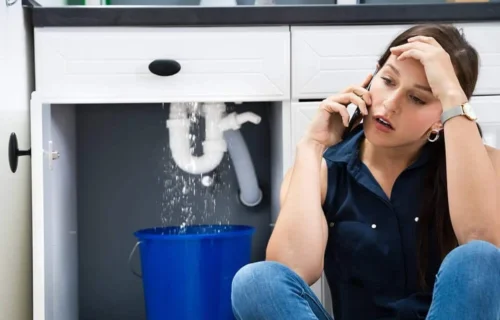
Common Plumbing Problems and DIY Fixes for Homeowners
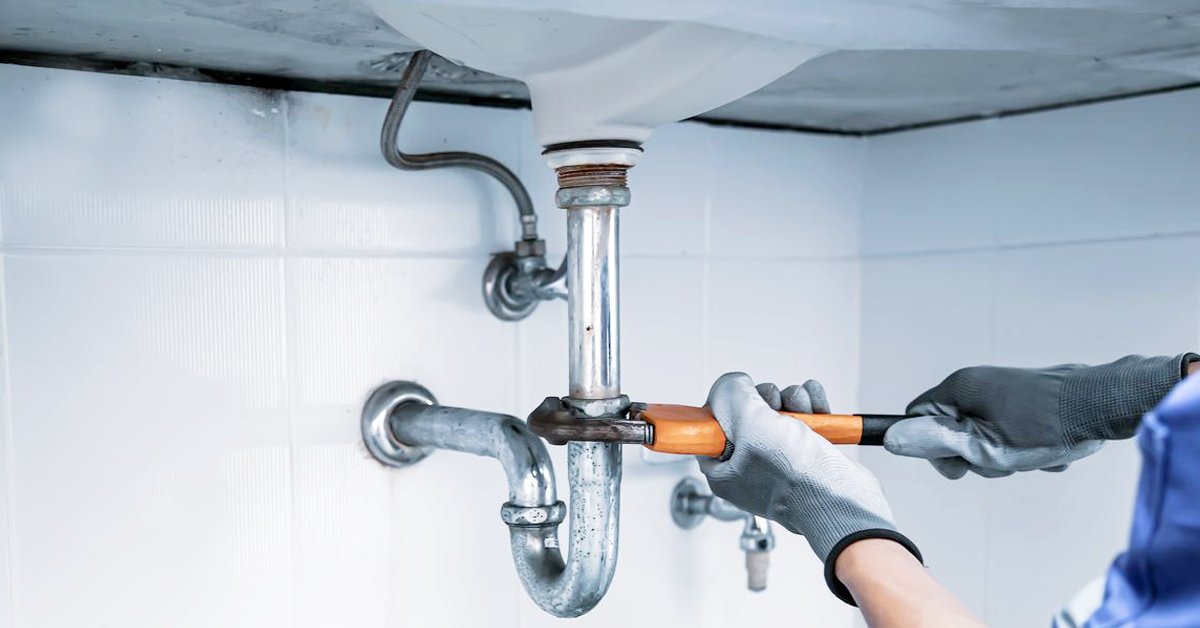
Dealing with a leaky faucet or slow-draining sink again? Common plumbing problems can be frustrating, but many of them have simple DIY fixes that don’t require calling a plumber every single time.
Every homeowner faces plumbing issues at some point, whether it’s a clogged drain, a running toilet, or low water pressure. Understanding these common plumbing problems helps you fix minor issues yourself and know when it’s time to call a professional.
In this guide, we’ll cover the most frequent plumbing issues homeowners face and provide practical, step-by-step DIY solutions for each.
1. Leaky Faucets
A dripping faucet is one of the most common plumbing problems, and it often wastes more water than people realize.
Common causes:
- Worn-out rubber washers inside the faucet
- Loose or damaged O-rings
- Corroded valve seats
DIY fix:
- Turn off the water supply under the sink
- Remove the faucet handle to access the cartridge or washer
- Replace the worn washer or O-ring with a matching size
- Reassemble and test for leaks
When to call a plumber: If leaks persist after replacing washers, the issue may involve internal pipe damage requiring professional attention.
(Internal link suggestion: link to “How to Prevent Pipe Leaks and Water Damage at Home”)
2. Clogged Drains
Slow-draining sinks and showers are among the most common plumbing problems in Indian households, often caused by hair, soap residue, or food particles.
Simple DIY solutions:
- Use a plunger to dislodge minor clogs
- Pour a mixture of baking soda and hot water down the drain
- Use a drain snake for stubborn hair or debris blockages
- Avoid chemical drain cleaners for frequent use, as they can damage pipes over time
Prevention tip: Install drain covers in bathrooms and kitchens to catch debris before it causes blockages.
3. Running Toilets
A toilet that keeps running long after flushing is not just annoying — it can significantly increase your water bill.
Common causes:
- A faulty flapper valve not sealing properly
- An improperly adjusted float mechanism
- A worn-out fill valve
DIY fix:
- Open the toilet tank and inspect the flapper valve for damage
- Replace the flapper if it’s worn or not sealing correctly
- Adjust the float height if water levels seem too high
- Test by flushing and observing if the running stops
This is one of the easiest common plumbing problems to fix yourself with basic tools.
4. Low Water Pressure
Weak water flow from taps or showers is a frustrating issue that can stem from several different causes.
Possible causes:
- Mineral buildup clogging aerators or showerheads
- Partially closed shut-off valves
- Leaks somewhere in the plumbing system
DIY solutions:
- Unscrew and clean faucet aerators and showerheads regularly
- Soak fixtures in vinegar to dissolve mineral deposits
- Check that main shut-off valves are fully open
If pressure issues persist across multiple fixtures, it may indicate a larger supply line problem requiring professional inspection.
5. Leaking Pipes
Leaking pipes are among the more serious common plumbing problems, as they can cause significant water damage if left unaddressed.
Warning signs to watch for:
- Water stains on walls or ceilings
- Musty odors in specific areas of the home
- Unexplained increases in water bills
Temporary DIY fix:
- Use pipe repair tape or epoxy putty for small leaks as a temporary solution
- Turn off the main water supply if the leak is severe
Important: These are temporary measures only — persistent pipe leaks should always be inspected and repaired by a licensed plumber.
(Internal link suggestion: link to “Bathroom Plumbing Upgrades Worth the Investment”)
6. Blocked or Slow Toilets
A toilet that doesn’t flush properly or drains slowly is another frequent household plumbing issue.
Common causes:
- Excess toilet paper or foreign objects causing blockages
- Mineral buildup in the trap or pipes
- Low water level in the tank
DIY steps to fix it:
- Use a plunger with firm, steady pressure
- Try a toilet auger for deeper blockages
- Avoid flushing wipes, sanitary products, or excessive paper
Regular mindful usage prevents most toilet blockage issues from occurring in the first place.
7. Water Heater Issues
Problems with water heaters are especially common during colder months and can range from minor to serious.
Frequent issues include:
- Inconsistent water temperature
- Strange noises during heating
- Water leaking from the tank or connections
Basic DIY checks:
- Check the thermostat setting for temperature inconsistencies
- Inspect visible connections for loose fittings
- Flush the tank periodically to remove sediment buildup
When to call a professional: Any leaking from the tank itself or persistent heating failures should be handled by a qualified technician.
8. When to Call a Professional Plumber
While many common plumbing problems can be fixed with basic DIY skills, some situations require professional expertise.
Signs you need a plumber:
- Recurring leaks despite multiple repair attempts
- Sewage backup or foul odors from drains
- No water pressure throughout the entire home
- Visible pipe corrosion or major water damage
Knowing when to stop DIY attempts and call a professional can prevent more serious and expensive damage down the line.
Frequently Asked Questions
1. What are the most common plumbing problems homeowners face? Leaky faucets, clogged drains, running toilets, and low water pressure are among the most frequently reported issues.
2. Can I fix a leaking pipe myself? Minor leaks can be temporarily patched with repair tape, but persistent leaks should be professionally repaired to avoid water damage.
3. Why does my toilet keep running after flushing? This is usually caused by a faulty flapper valve or an improperly adjusted float mechanism inside the tank.
4. How can I improve low water pressure at home? Cleaning mineral buildup from aerators and showerheads, and checking shut-off valves, often resolves pressure issues.
5. Are chemical drain cleaners safe to use regularly? No, frequent use of chemical cleaners can damage pipes over time; natural solutions like baking soda and hot water are safer alternatives.
6. When should I call a professional plumber instead of DIY fixing? Call a plumber for recurring leaks, sewage backups, or whole-house water pressure issues that DIY methods can’t resolve.
Conclusion
Understanding common plumbing problems and their DIY fixes can save you time, money, and unnecessary stress. From leaky faucets to running toilets, many issues can be resolved with basic tools and a little patience.
However, always know your limits — persistent or serious plumbing issues are best left to licensed professionals to avoid costly damage.
Facing a plumbing issue right now? Try these DIY fixes first, and don’t hesitate to call a professional if the problem persists.