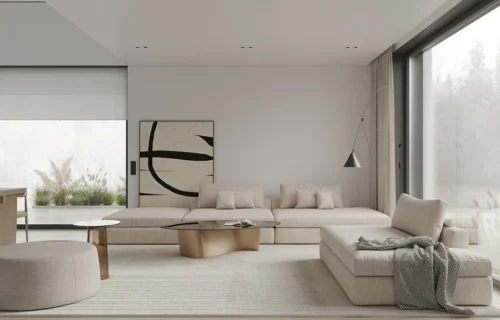
Mix and Match Furniture Styles Like a Pro: Full Guide
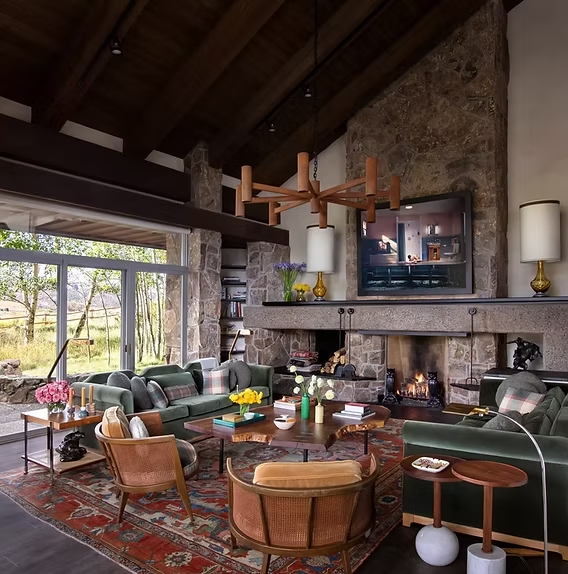
Ever walked into a home that features a mix of modern and vintage furniture, yet somehow it all looks perfectly put together? That’s the art of learning to mix and match furniture styles the right way. Many people assume every piece in a room needs to match, but the most interesting homes actually blend different eras, textures, and design styles.
Whether you’ve inherited an old wooden almirah, love a mid-century chair, or picked up a modern sofa on sale, you don’t need to replace everything to create a cohesive look.
This guide will show you practical, easy-to-follow techniques to mix and match furniture styles confidently, without your room looking chaotic or mismatched.
1. Start with a Common Thread
The easiest way to mix and match furniture styles is to find one unifying element that ties different pieces together.
- Choose a common color palette across furniture pieces
- Repeat a material, like wood or metal, throughout the room
- Use similar-toned upholstery even if the furniture shapes differ
- Stick to one dominant style (60%) and treat other styles as accents (40%)
This common thread acts like a visual anchor, helping different styles feel intentional rather than accidental.
2. Balance Modern and Traditional Pieces
One of the most popular ways to mix and match furniture styles is combining modern, clean-lined pieces with traditional, ornate ones.
- Pair a sleek modern sofa with a carved wooden coffee table
- Add traditional cushions or a rug to soften a modern room
- Use a modern lamp on a traditional wooden side table
- Balance heavy traditional furniture with lightweight modern accents
Example: A minimalist grey sofa paired with a hand-carved wooden bench instantly creates warmth and character without looking outdated.
3. Mix Textures for Visual Depth
Texture is often overlooked, but it plays a huge role in helping different furniture styles coexist beautifully.
- Combine smooth leather with rough-textured jute or cane
- Add a knitted throw to a sleek glass-top table
- Use woven baskets alongside polished wood furniture
- Layer rugs of different textures for added depth
Mixing textures keeps the eye engaged and prevents a room from feeling flat, even when styles vary.
4. Use Scale and Proportion Wisely
When you mix and match furniture styles, scale becomes critical. Pairing a bulky vintage cabinet with a tiny modern stool can throw off the room’s balance.
- Match large furniture pieces with similarly sized ones nearby
- Use smaller accent pieces to fill gaps without overwhelming the space
- Keep sightlines clear by avoiding too many oversized pieces in one area
A well-proportioned room feels intentional, even when it includes furniture from different design eras.
5. Let Color Do the Connecting
Even if your furniture styles vary widely, a consistent color scheme can tie the whole room together.
- Choose 2-3 core colors and repeat them across furniture and accessories
- Use neutral tones as a base, with one or two accent colors
- Reupholster or repaint a mismatched piece to fit the palette
(Internal link suggestion: link to an article on “Modern Minimalist Interior Design Ideas for 2026”)
This is one of the simplest tricks to mix and match furniture styles without a full furniture overhaul.
6. Anchor the Room with One Statement Piece
Every eclectic room benefits from one clear focal point. This could be an antique cupboard, a bold modern sofa, or a striking vintage mirror.
- Choose one standout piece per room
- Let supporting furniture stay simple so the statement piece shines
- Avoid competing focal points in the same space
(Internal link suggestion: link to an article on “Budget Home Decor Ideas for Renters”)
This anchor piece gives the room a clear design direction, even when styles are mixed.
7. Blend Old and New Thoughtfully
Many Indian homes have inherited furniture passed down through generations. Instead of discarding these pieces, blend them with newer additions.
- Restore an old wooden chair with fresh polish or paint
- Pair heirloom pieces with contemporary lighting
- Use vintage furniture as a conversation piece in an otherwise modern room
This approach not only saves money but also adds sentimental value and character to your home.
8. Test Before You Commit
Before finalizing your furniture mix, arrange pieces temporarily and observe how they work together over a few days.
- Move furniture around to test different layouts
- Take photos to see the room from a fresh perspective
- Ask for a second opinion from a friend or family member
Small adjustments, like swapping a cushion or repositioning a rug, can make a big difference in how well the mix and match furniture styles approach comes together.
Frequently Asked Questions
1. How do I mix and match furniture styles without it looking messy? Use a common color palette, consistent materials, and one dominant style with smaller accent pieces to keep the room cohesive.
2. Can I mix modern and traditional furniture in the same room? Yes, pairing modern and traditional pieces works well when balanced with a shared color scheme or material.
3. What is the 60-40 rule in furniture styling? It means keeping 60% of the room in one dominant style and using the remaining 40% for accent or contrasting pieces.
4. How do I mix furniture styles on a budget? Repaint or reupholster existing pieces, add matching textiles, and use accessories to unify different furniture styles affordably.
5. Should all furniture in a room be the same color? No, but repeating 2-3 core colors across different pieces helps mismatched furniture feel intentional and connected.
6. Is it okay to mix vintage and modern furniture? Absolutely. Vintage pieces add character, while modern furniture keeps the room feeling fresh and functional.
Conclusion
Learning to mix and match furniture styles is about balance, not perfection. By focusing on a common color palette, consistent materials, proper scale, and one strong focal point, you can blend different furniture eras into a room that feels curated and personal.
Don’t be afraid to combine that inherited wooden chair with a modern sofa or pair vintage decor with contemporary lighting. Start experimenting with one room today, and you’ll soon discover a style that’s uniquely yours.