What Makes a Water Treatment System Worth the Investment?

Good Water Treatment Starts With Understanding Your Home
Most homeowners don’t wake up thinking about their water treatment system. They think about breakfast, work, school, bills — the usual stuff. Water tends to stay in the background until there’s a strange taste in the glass, mineral spots on the shower door, or buildup around the kitchen faucet.
That’s usually when people start paying attention.
The truth is, water quality can affect everyday life in ways that are easy to overlook. From drinking and cooking to bathing and washing dishes, we rely on water constantly. Choosing the right treatment approach isn’t just about buying equipment. It’s about understanding what your water actually needs and finding a solution that makes sense for your household.
Start With the Water You Actually Have
One of the biggest mistakes homeowners make is choosing a filtration or treatment system based on a generic promise. Every house has its own circumstances. Water sources, plumbing, mineral levels, sediment, and household usage can all vary.
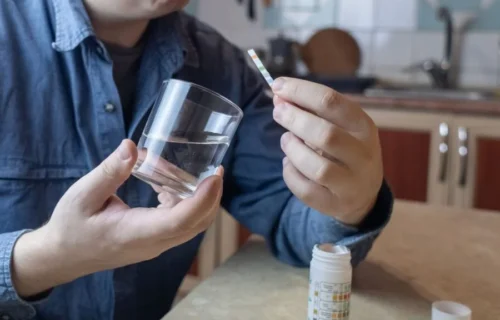
Testing your water is a much smarter starting point.
A professional water analysis can help identify issues such as hardness, sediment, unpleasant odors, or other concerns. Once those characteristics are understood, it becomes much easier to determine which type of treatment equipment may be appropriate.
This is where local know-how can be surprisingly valuable. A provider familiar with the area’s water conditions may recognize patterns that a generic online recommendation simply can’t account for. And sometimes, that local perspective saves you from buying something you don’t really need.
Not Every Filtration System Does the Same Job
There’s no universal filter that solves every water-quality problem. Different systems are designed for different purposes, and that distinction matters.
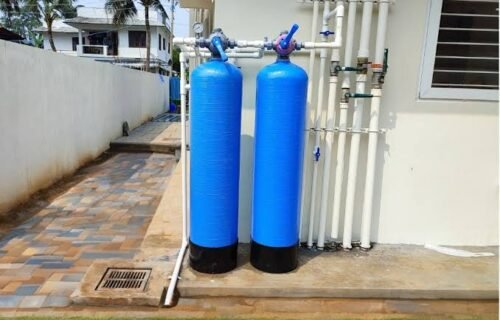
For example, sediment filters can help reduce particles such as sand or rust. Activated carbon systems are commonly used to improve taste and odor. Water softeners address hardness caused by minerals such as calcium and magnesium. More specialized treatment technologies may be considered when a particular contaminant has been identified.
It can feel a little overwhelming at first, especially when every product seems to have its own technical vocabulary. But a reputable professional should be able to explain the differences without turning the conversation into a chemistry lecture.
The goal isn’t to own the most advanced equipment on the market. It’s to have the right equipment for your water.
Quality Installation Matters More Than People Think
Even a high-quality treatment unit can underperform if it isn’t installed correctly. Proper sizing, plumbing connections, water pressure, drainage, and system configuration all have a role to play.
A professional installation also gives homeowners a chance to spot existing plumbing problems before they become bigger headaches. Leaks, aging pipes, poor connections, or inadequate space around equipment can all affect how a system performs.
Think of it like buying a great set of tires and then putting them on a car with badly misaligned wheels. The equipment might be excellent, but something still isn’t quite right.
That’s why experienced installers often focus just as much on the setup as the product itself.
Look for Systems Designed for Real Life
A treatment system shouldn’t become another chore you dread maintaining.
When comparing options, think about how the equipment will fit into your routine. How frequently do filters need to be changed? Does the system require regular servicing? How much space does it need? What happens if something stops working?
These aren’t glamorous questions, but they matter.
The best solutions tend to balance performance with practicality. Proven systems should provide reliable treatment without creating unnecessary complexity for the homeowner. If a system is difficult to maintain or poorly suited to the household, even impressive specifications won’t mean much over the long term.
Don’t Let Price Be the Only Deciding Factor
Budget obviously matters. Nobody wants to spend more than necessary. But the cheapest option isn’t always the most economical one.
A low-cost system may require frequent replacement parts, provide limited treatment, or simply fail to address the main issue. Meanwhile, a properly selected system can provide value for years when it is installed and maintained correctly.
It’s worth looking at the full picture: purchase price, installation, replacement filters, maintenance, expected lifespan, and potential impact on household appliances.
Sometimes paying a little more upfront is actually the less expensive decision over time.
Maintenance Keeps Everything Working Properly
Even the best water treatment equipment needs some attention. Filters eventually become saturated. Components can wear out. Settings may need adjustment. And changing water conditions can sometimes affect performance.
Routine maintenance helps catch small issues before they turn into expensive repairs.
Homeowners should follow the manufacturer’s maintenance recommendations and keep track of filter replacement schedules. If water suddenly tastes different, develops an unusual smell, or changes in appearance, that’s also a good reason to investigate rather than simply assuming the system will correct itself.
A little attention goes a long way.
Think Beyond the Kitchen Faucet
Water treatment isn’t only about drinking water. Whole-home water quality can influence showers, laundry, plumbing fixtures, and appliances.
Hard water, for example, can contribute to mineral deposits that gradually build up on fixtures and inside water-using equipment. Improving the water entering the home may help reduce those everyday annoyances and make cleaning easier.
Of course, the right solution depends on the actual water conditions. There’s no reason to install a whole-house system if a smaller point-of-use solution is all your household needs.
Good professionals should help you figure that out rather than automatically recommending the biggest setup.
Choosing Something That Will Serve You for Years
Home improvements are rarely fun when you have to redo them every couple of years. Water treatment is no different. The better approach is to consider durability, maintenance requirements, service availability, and whether the system can continue meeting your household’s needs as circumstances change.
A quality installation should be built to last, with equipment selected for the home’s water characteristics and usage demands. That doesn’t mean it will run forever without maintenance. Nothing does. But a thoughtfully chosen system should be able to provide dependable performance for a long time.
The Smartest Choice Is an Informed One
There’s no shortage of water treatment products promising cleaner, better, healthier water. Some may be excellent. Others might not be appropriate for your situation at all.
The difference often comes down to doing the basics properly: test the water, understand the problem, compare suitable treatment options, ask questions, and work with professionals who are willing to explain their recommendations.
Clean water shouldn’t require guesswork. With the right information and a system suited to your home, water treatment can become one of those improvements you barely think about — because it simply does its job, day after day.