Keeping Water Clean: Smart Solutions for Aquaculture, Pools, and Hot Tubs
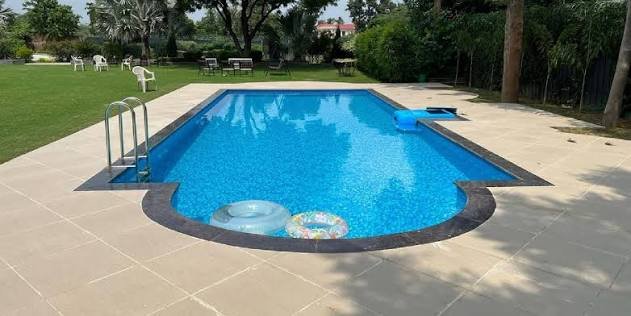
Water has a funny way of exposing problems we’d rather ignore. A cloudy pool, a tired-looking fish pond, or water that leaves a strange smell behind can all be signs that something deeper is going on. Clean, balanced water isn’t simply about appearance. It affects health, equipment, maintenance costs, and the overall experience of using a water system.
Whether you’re managing a fish-farming operation, caring for a backyard pool, or relaxing in a spa after a long day, water quality deserves attention. The good news is that modern filtration and treatment methods make it much easier to keep water clear, balanced, and enjoyable without constantly fighting the same problems.
Why Water Quality Matters More Than You Think
Water systems are living, changing environments. Temperature shifts, organic debris, chemicals, minerals, and microorganisms can all influence water quality. Even something as simple as leaves falling into an outdoor pool can eventually affect clarity and chemical balance.
For businesses, the stakes can be even higher. In aquaculture, water quality directly influences the environment in which aquatic organisms grow. Poorly managed water can contribute to stress, disease, unpleasant odors, and reduced productivity. Maintaining appropriate oxygen levels, filtration, temperature, and waste control is therefore an important part of responsible operation.
The same principle applies at home. You may not notice a problem immediately, but buildup can happen gradually. Mineral deposits can affect plumbing and equipment, while excess organic matter can make water harder to maintain.
Choosing the Right Filtration Approach
There isn’t one filtration system that works perfectly for every situation. The right choice depends on the water source, usage, volume, contaminants, and the purpose of the system.
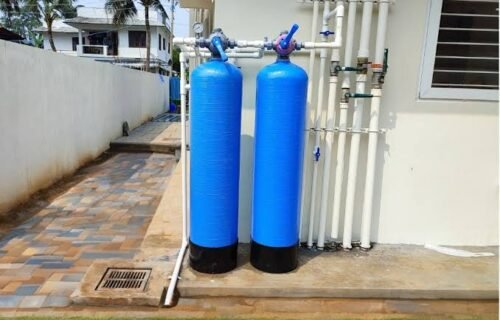
Mechanical filtration is often used to capture suspended particles such as dirt, debris, and other physical matter. Biological filtration can be particularly useful in systems where microorganisms help break down organic waste. Chemical treatment, meanwhile, may address specific contaminants or help maintain appropriate water chemistry.
For larger installations, combining several treatment stages can make more sense than relying on a single filter. A well-designed system works as a team: each component handles a different part of the water-quality puzzle.
That’s especially useful when dealing with commercial & residential swimming pools, where water volume and usage can vary considerably. A busy commercial pool, for example, generally requires a different maintenance strategy from a small residential pool used by a family a few times a week.
Pools Need More Than Clear Water
Clear water looks clean, but clarity alone doesn’t tell the whole story. Pool water needs the right chemical balance to remain comfortable and sanitary.
Chlorine or other sanitizing systems are commonly used to control microorganisms, while filtration removes particles that can make water dull or cloudy. pH and alkalinity also matter because they influence how effectively sanitizers work and how comfortable the water feels.
When these elements fall out of balance, you may notice irritated eyes, unpleasant odors, scale on surfaces, or water that simply doesn’t feel right.
Regular maintenance helps prevent those issues from becoming expensive repairs. Skimming debris, cleaning filters, checking chemical levels, and inspecting pumps and circulation equipment are basic tasks, but they add up. Think of them as small maintenance habits that save you from much bigger headaches later.
Hot Tubs Require Extra Attention
Hot tubs create a slightly different water-treatment challenge because warm water can encourage faster microbial growth. They’re also used by several people in a relatively small volume of water, which means contaminants can build up quickly.
That’s why hot tubs need consistent sanitation and circulation. Checking sanitizer levels, monitoring pH, cleaning filters, and following a sensible water replacement schedule can make a noticeable difference.
It’s tempting to wait until the water looks cloudy or smells unusual before doing anything. By then, though, the water chemistry may already be out of balance.
Another common mistake is assuming that adding more chemicals will solve every problem. Sometimes the issue is actually a dirty filter, poor circulation, or an overdue water change. More chemicals aren’t always the answer. Understanding what’s causing the problem usually is.
Managing Water in Aquatic Operations
Aquatic farming and related systems require careful monitoring because water is essentially part of the production environment. Fish and other aquatic organisms depend on stable conditions, and sudden changes can create unnecessary stress.
Filtration systems can help remove solids and waste, while aeration equipment supports healthy dissolved oxygen levels. Depending on the operation, additional treatment may be necessary to manage ammonia, nitrates, pathogens, or other water-quality concerns.
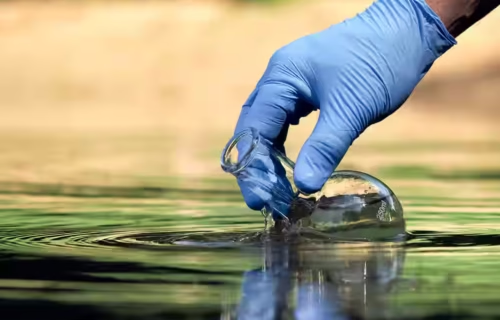
Regular testing is one of the most useful habits. Instead of guessing whether the water is suitable, operators can monitor measurable indicators and respond before conditions become serious.
It’s a little like checking the dashboard of a car. You don’t wait for the engine to fail before looking at the warning lights.
The Role of Regular Water Testing
Water testing provides information that your eyes simply can’t. A system may look perfectly clear while containing unwanted minerals, excessive nutrients, or an imbalance in pH.
Testing schedules should reflect the type of system and how heavily it is used. High-use pools and warm-water systems may need more frequent checks, while larger aquatic operations often require ongoing monitoring.
Keeping simple records can help, too. If you notice that pH consistently drifts upward or a filter becomes clogged faster than expected, those patterns can point toward an underlying issue.
Professional water analysis can be especially valuable when problems keep returning. Instead of treating symptoms over and over, testing can help identify what’s actually driving them.
Maintenance Should Be Preventive, Not Reactive
Most water-treatment problems don’t appear overnight. They build slowly, often while everything seems normal.
A pump may gradually lose efficiency. A filter may become increasingly clogged. Mineral deposits may accumulate inside pipes. Chemical levels may drift outside their ideal ranges. By the time the problem becomes obvious, the equipment may already be under unnecessary strain.
A preventive maintenance routine can include:
- Checking water chemistry regularly
- Cleaning or replacing filters when required
- Inspecting pumps and circulation equipment
- Removing debris before it breaks down
- Monitoring water temperature
- Testing for specific contaminants when needed
- Keeping maintenance and test records
These steps aren’t glamorous, admittedly. But they’re far less frustrating than dealing with a major water-quality problem on a weekend when everyone else wants to use the pool.
Better Water Starts With Better Planning
Good water management is less about chasing perfect numbers and more about understanding the system as a whole. Filtration, sanitation, circulation, testing, and maintenance all work together.
Whether the goal is supporting healthy aquatic production, keeping a swimming pool inviting, or maintaining a relaxing spa, the fundamentals remain surprisingly similar: monitor the water, understand what it needs, and deal with small problems before they grow.
Clean water doesn’t happen by accident. It comes from sensible equipment, regular attention, and a willingness to look beyond what’s immediately visible. Once that mindset becomes part of routine maintenance, water systems become easier to manage—and a lot more enjoyable to live with.