Why Better Water Filtration Starts With Understanding Your Water
Clean water is something most people take for granted. We turn on the tap, fill a glass, cook a meal, or take a shower without thinking much about what might be traveling through the pipes. But water quality can vary considerably depending on where you live, your local supply, the age of your plumbing, and whether your home relies on well water.
That’s why choosing a water treatment system shouldn’t simply come down to buying the most expensive filter available. The right approach starts with understanding what’s actually in your water. Once you know the problem, it becomes much easier to choose a practical treatment method that fits your household and your daily routine.
What Could Be Affecting Your Water?
Water can contain a range of substances, some naturally occurring and others introduced during treatment, transportation, or environmental exposure. Not every contaminant is dangerous, but certain substances can affect taste, smell, appearance, or long-term water quality.
Common concerns include chlorine, sediment, iron, sulfur, hard-water minerals, lead, and other unwanted compounds. Well water can have its own challenges, especially when groundwater picks up minerals from surrounding soil and rock.
Even water that looks perfectly clear may contain dissolved substances that aren’t visible to the naked eye. A strange taste or persistent odor can be a useful warning sign, but you shouldn’t rely on your senses alone.
Testing Comes Before Choosing a Filter
One of the simplest mistakes homeowners make is choosing a filtration system before knowing what their water actually needs. It’s a bit like buying medicine without knowing what’s wrong.
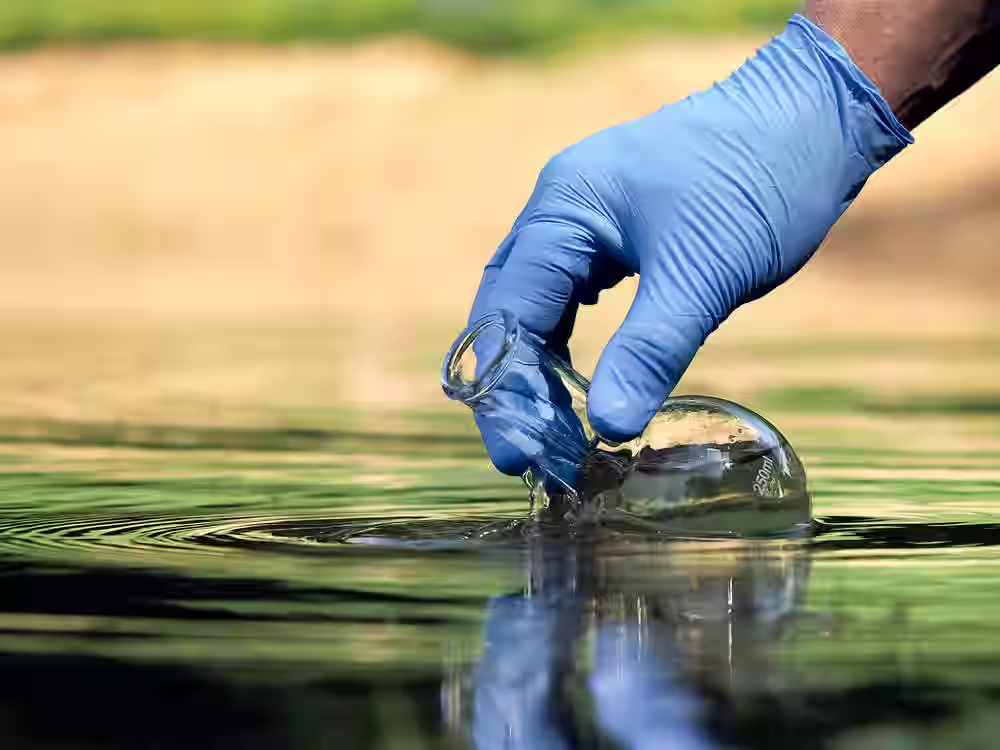
A free water test can provide useful insight into the condition of your water and help identify concerns that may otherwise go unnoticed. Depending on the testing process, water may be evaluated for hardness, iron, pH, chlorine, sediment, and other factors.
Testing also helps prevent unnecessary treatment. For example, if your main concern is hard water, you may need a softening system rather than a filter designed primarily for sediment or chlorine. If you’re dealing with unpleasant odors, a completely different treatment approach might be appropriate.
The goal isn’t to install more equipment. It’s to install the right equipment.
Why Advanced Filtration Can Make a Difference
Modern water treatment has come a long way. Today’s systems can be designed to address specific water-quality concerns rather than treating every home exactly the same way.
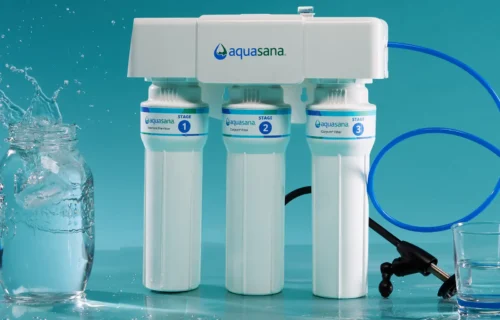
An advanced filtration system may combine multiple stages of treatment, allowing different components to handle different contaminants or impurities. One stage might reduce sediment, while another targets chlorine or other unwanted substances.
This layered approach can be especially useful for households with several water-quality concerns at once. Instead of expecting one filter to do everything, a properly designed system gives each treatment stage a specific job.
Of course, more technology isn’t automatically better. A complicated system that doesn’t match your water conditions can become an expensive headache. Proper assessment and professional guidance still matter.
Whole-Home Filtration vs. Drinking Water Systems
Another important decision is where treatment should happen.
A whole-home system treats water as it enters the property, providing filtered water throughout the house. This can be useful when water-quality concerns affect showers, laundry, appliances, and other household activities, not just drinking water.
Point-of-use systems, meanwhile, focus on specific locations such as a kitchen faucet. They’re often a practical choice when the primary concern is drinking and cooking water.
Neither approach is universally better. It depends on the water problem, household size, budget, plumbing setup, and what you want the system to accomplish.
For instance, a family dealing with significant hard-water issues may benefit from whole-home treatment, while someone primarily concerned about drinking-water taste might prefer a kitchen-focused solution.
A Customized Approach Often Makes More Sense
Every home’s water situation is slightly different. Two houses in the same neighborhood can even have different issues because of plumbing materials, private wells, or changes in the local water supply.
That’s where a customized solution becomes valuable. Instead of starting with a one-size-fits-all product, the treatment plan can be based on test results, household needs, water usage, and the specific contaminants involved.
A thoughtful evaluation may consider questions such as:
- Is the home connected to municipal water or a private well?
- Are there problems with taste, odor, staining, or scale?
- How many people regularly use the water?
- Is the concern limited to drinking water or the entire home?
- Are there children, older adults, or others with particular water-quality concerns?
- How much maintenance is realistic for the homeowner?
These details might seem small, but together they can influence which system makes the most sense.
Don’t Forget Maintenance
Even a high-quality filtration system needs attention. Filters eventually become saturated, tanks may require servicing, and certain components need periodic inspection.
Skipping maintenance can reduce performance and, in some situations, create new water-quality concerns. Homeowners should understand how often filters need replacement, what routine servicing involves, and what ongoing costs to expect before purchasing a system.
It’s also worth asking whether replacement parts are readily available. A system may look attractive initially, but if maintaining it becomes difficult later, the convenience quickly disappears.
Better Water Is About More Than Taste
Improving household water quality isn’t only about making water taste better, although that’s certainly one of the first benefits people notice. Proper treatment can also help reduce scale, protect plumbing fixtures, minimize staining, and improve the overall experience of using water around the home.
Still, it’s important to keep expectations realistic. No single filtration system removes every possible contaminant, and water treatment isn’t a substitute for addressing serious plumbing or environmental problems.
The smartest approach is straightforward: test first, understand the results, identify the actual concern, and then select treatment equipment designed for that situation.
Making a Smarter Choice
Water treatment can feel complicated when you start looking at filters, softeners, membranes, cartridges, tanks, and different technologies. It doesn’t have to be.
Start with the water itself. A reliable test gives you a clearer picture, while professional guidance can help translate those results into practical options. From there, consider your household’s needs, installation requirements, maintenance schedule, and long-term costs.
Good water treatment isn’t about having the biggest system or the latest gadget sitting in your utility room. It’s about having a system that quietly does its job, day after day, without creating unnecessary complexity.
When the solution is based on the water you actually have—not assumptions—you’re far more likely to end up with cleaner, more comfortable, and more dependable water throughout your home.