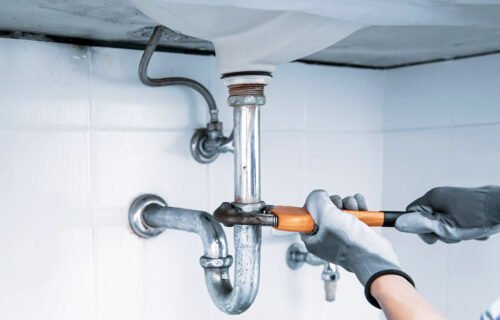
Signs You Need to Call an Emergency Plumber
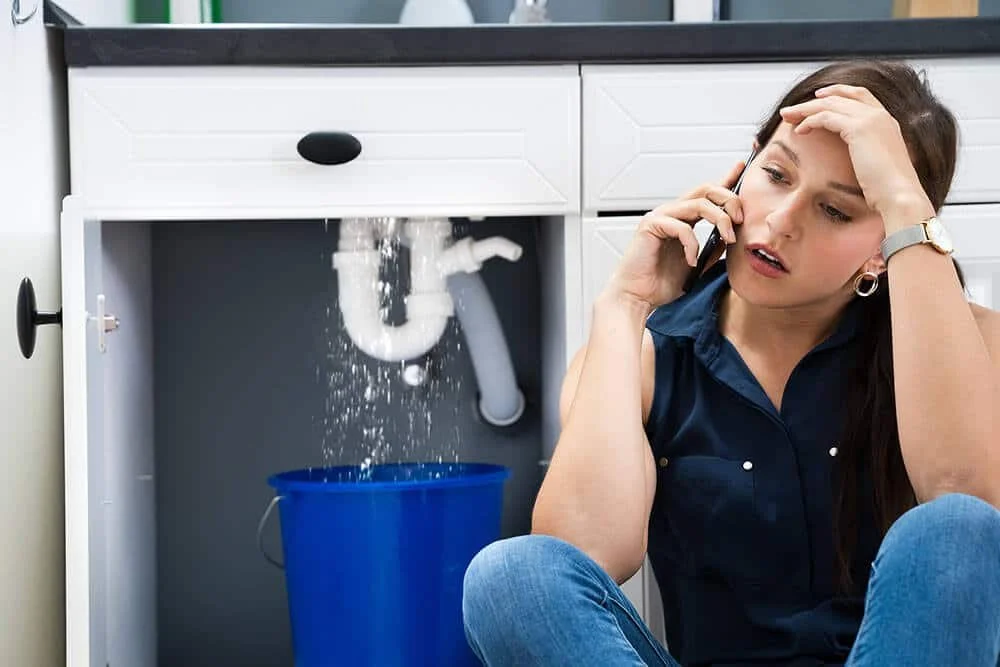
Not sure if your plumbing issue can wait or needs immediate attention? Recognizing emergency plumber signs early can save you from severe water damage, high repair costs, and unnecessary stress.
Many homeowners try to handle plumbing issues themselves, which works fine for minor problems. But some situations require immediate professional help, and waiting too long can turn a small issue into a major disaster.
In this guide, we’ll walk you through the clearest emergency plumber signs, so you know exactly when it’s time to stop DIY attempts and call for professional help right away.
1. Burst or Severely Leaking Pipes
A burst pipe is one of the most urgent emergency plumber signs, as it can flood your home within minutes.
What to look for:
- Sudden, heavy water flow from a pipe or fixture
- Water pooling rapidly on floors or ceilings
- Visible pipe cracks or bulges
Immediate action steps:
- Turn off the main water supply immediately
- Move valuables away from the affected area
- Call an emergency plumber right away
Delaying action on burst pipes can lead to extensive structural damage and costly repairs, making this one of the most critical emergency plumber signs to watch for.
(Internal link suggestion: link to “How to Prevent Pipe Leaks and Water Damage at Home”)
2. No Water Supply Throughout the Home
If your entire home suddenly has no water supply, this is a serious issue that often requires urgent professional attention.
Possible causes:
- Major pipe blockage or collapse
- Issues with the main water line
- Problems with the water pump or motor
Why it’s urgent: Unlike a single tap not working, a complete water outage usually points to a bigger system-wide problem that needs immediate diagnosis by a professional plumber.
3. Sewage Backup or Foul Odors
Sewage backing up into your home is both an emergency plumber sign and a serious health hazard.
Warning signs include:
- Foul, persistent odors from drains or toilets
- Water or waste backing up into sinks, tubs, or toilets
- Gurgling sounds coming from drains
Health risk: Sewage backup can expose your family to harmful bacteria, making this one of the emergency plumber signs that should never be ignored or delayed.
What to do: Avoid using water fixtures until a plumber arrives, and keep the affected area ventilated if possible.
(Internal link suggestion: link to “Common Plumbing Problems and DIY Fixes for Homeowners”)
4. Gas Smell Near Water Heater or Pipes
While gas leaks are typically handled by gas technicians, plumbers are often called in when the smell is linked to water heater connections.
Signs to watch for:
- A distinct sulfur or rotten egg smell near appliances
- Hissing sounds near gas-connected water heaters
- Visible corrosion on gas line connections
Immediate steps:
- Turn off the gas supply if safely accessible
- Avoid using electrical switches near the area
- Evacuate the area and call for emergency help immediately
This is one of the most dangerous emergency plumber signs and should always be treated as a top priority.
5. Overflowing Toilets That Won’t Stop
An overflowing toilet that continues despite your best efforts is a clear emergency plumber sign, especially if plunging doesn’t help.
Common causes:
- Severe blockage deep within the pipe system
- Issues with the main sewage line
- A malfunctioning fill valve causing continuous overflow
What to do immediately:
- Turn off the water supply valve behind the toilet
- Avoid flushing again until the issue is resolved
- Call a plumber if the overflow continues or recurs frequently
6. Water Heater Leaking or Making Unusual Noises
A malfunctioning water heater can pose safety risks, especially if it’s leaking or making loud, unusual sounds.
Signs requiring urgent attention:
- Water pooling around the base of the heater
- Loud banging or popping noises during heating
- Inconsistent or extremely hot water temperatures
Why immediate action matters: A leaking or malfunctioning water heater can lead to flooding or, in rare cases, more serious safety hazards if left unaddressed.
(Internal link suggestion: link to “HVAC Maintenance Tips to Extend System Lifespan”)
7. Multiple Clogged Drains at Once
While a single clogged drain is usually a minor issue, multiple drains clogging simultaneously often signals a bigger problem.
What this could indicate:
- A blockage in the main sewer line
- Tree roots invading underground pipes
- Structural issues within the plumbing system
Why you need a plumber: DIY methods like plungers or drain snakes rarely resolve main line blockages, making professional intervention necessary.
8. Visible Water Damage or Mold Growth
Unexplained water stains, peeling paint, or mold growth are indirect but important emergency plumber signs.
What to look for:
- Discolored patches on walls or ceilings
- Musty smells in specific areas of the home
- Soft or warped flooring near bathrooms or kitchens
Why it matters: These signs often indicate hidden leaks that have been ongoing for a while, requiring professional inspection before the damage worsens further.
Frequently Asked Questions
1. What are the most common emergency plumber signs to watch for? Burst pipes, sewage backups, no water supply, and gas smells near water heaters are among the most urgent signs.
2. Should I try to fix a burst pipe myself before calling a plumber? No, turn off the main water supply immediately and call an emergency plumber rather than attempting repairs yourself.
3. Is a slow drain considered a plumbing emergency? Usually not, but multiple drains clogging simultaneously can indicate a serious main line issue requiring urgent attention.
4. What should I do if I smell gas near my water heater? Turn off the gas supply if safe to do so, avoid using electrical switches, and evacuate before calling for emergency help.
5. Can sewage backup cause health problems? Yes, sewage backup exposes your home to harmful bacteria and should be treated as an urgent plumbing emergency.
6. How quickly should I call a plumber after noticing an emergency sign? Immediately — delays in addressing emergency plumber signs often lead to more extensive and costly damage.
Conclusion
Recognizing emergency plumber signs early can be the difference between a minor fix and a major, costly disaster. From burst pipes to sewage backups, knowing when to stop DIY attempts and call for professional help protects both your home and your family’s safety.
Keep a trusted emergency plumber’s contact handy, and don’t hesitate to call the moment you notice any of these warning signs.
Facing a plumbing emergency right now? Act quickly, turn off your main water supply if needed, and call a professional plumber immediately