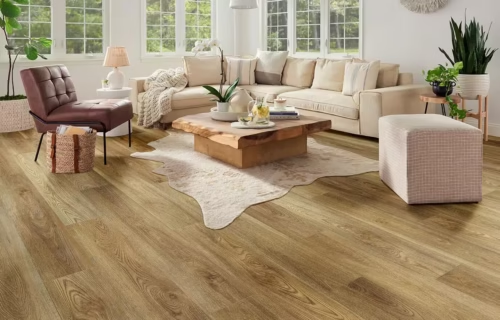
Best Flooring Options for High-Traffic Homes
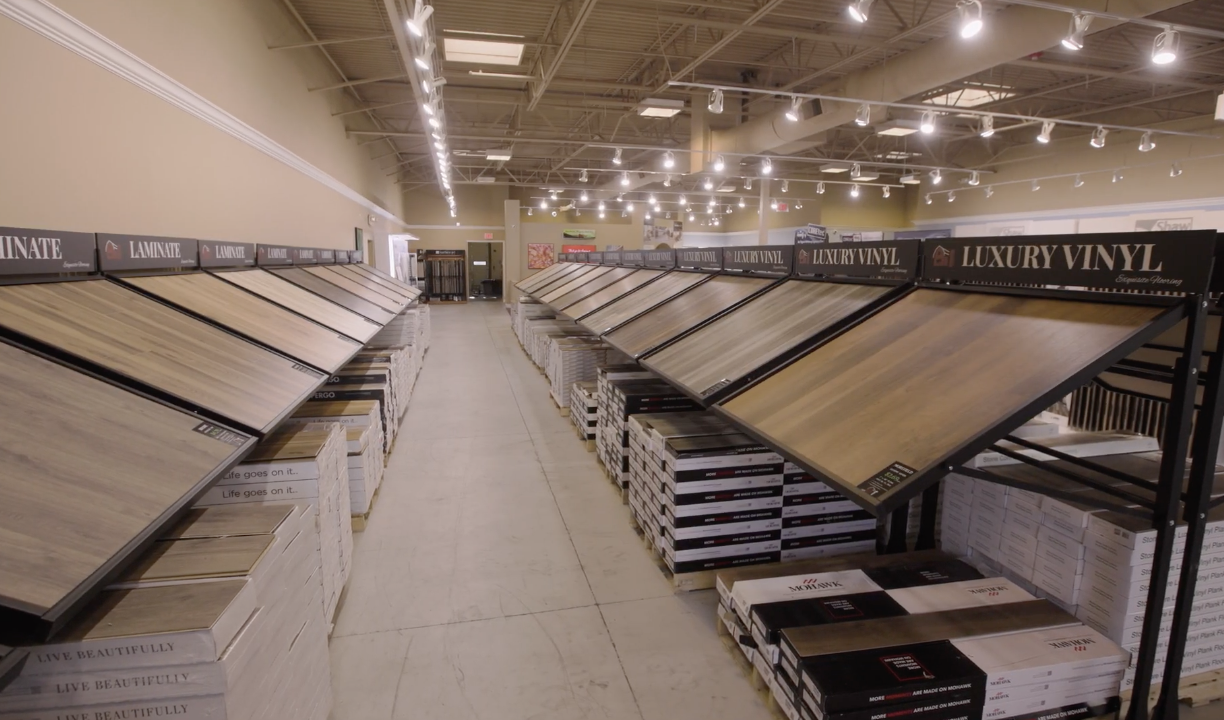
Struggling with flooring that wears out too quickly in busy parts of your home? Finding the best flooring for high traffic areas can save you from frequent repairs and replacements while keeping your home looking great longer.
Living rooms, hallways, and entryways see constant foot traffic, kids running around, pets, and daily wear that ordinary flooring often can’t handle well. Choosing the best flooring for high traffic areas means balancing durability, maintenance, and style effectively.
In this guide, we’ll compare the top flooring options suited for busy households, helping you choose the right material for long-lasting performance.
1. What Makes Flooring Suitable for High-Traffic Areas
Before comparing specific materials, it helps to understand what qualities actually matter most.
Key factors to consider:
- Scratch and dent resistance for durability
- Ease of cleaning and stain resistance
- Water resistance, especially near entryways
- Long-term cost versus replacement frequency
Understanding these factors helps you evaluate the best flooring for high traffic areas based on real performance, not just appearance.
2. Vitrified Tiles for Durability
Vitrified tiles are among the most popular and best flooring for high traffic areas in Indian homes due to their strength and low maintenance needs.
Advantages:
- Highly resistant to scratches and stains
- Available in a wide range of designs and finishes
- Easy to clean with just regular mopping
- Water-resistant, making them suitable for entryways
Considerations:
- Can be slippery when wet unless anti-skid variants are chosen
- Feels colder underfoot compared to wooden alternatives
Vitrified tiles remain a top choice for living rooms, hallways, and other busy areas of the home.
(Internal link suggestion: link to “How to Clean and Maintain Different Types of Flooring”)
3. Vinyl Flooring for Budget-Friendly Durability
Vinyl flooring has become increasingly popular as one of the best flooring for high traffic areas due to its affordability and resilience.
Advantages:
- Highly resistant to scratches, dents, and moisture
- Comfortable underfoot compared to hard tiles
- Available in wood-look and stone-look designs
- Cost-effective compared to natural materials
Considerations:
- Lower-quality vinyl may show wear faster than premium options
- Not as long-lasting as tiles or hardwood in extreme conditions
Vinyl flooring works particularly well for homes with children or pets due to its softer, more forgiving surface.
4. Laminate Flooring for a Wood-Like Look
For homeowners wanting the appearance of hardwood without the high cost, laminate flooring is among the best flooring for high traffic areas at a more accessible price point.
Advantages:
- Mimics the look of natural wood convincingly
- Reasonably scratch-resistant with quality laminate layers
- Easier to install compared to solid hardwood
Considerations:
- Less water-resistant than vinyl or tiles unless specifically treated
- Can show wear in extremely high-moisture areas over time
Laminate flooring is best suited for living rooms and bedrooms rather than areas prone to water exposure.
(Internal link suggestion: link to “Hardwood vs Vinyl Flooring: Which Is Right for You?”)
5. Natural Stone Flooring for Long-Term Durability
Natural stone options like granite and marble remain among the best flooring for high traffic areas when properly maintained, offering exceptional durability.
Advantages:
- Extremely durable, often lasting decades with proper care
- Naturally resistant to scratches and heavy wear
- Adds a premium, elegant look to any space
Considerations:
- Higher upfront cost compared to tiles or vinyl
- Requires periodic sealing and maintenance to prevent staining
- Can be slippery, especially polished marble surfaces
Natural stone works well for homeowners prioritizing long-term durability and willing to invest in proper maintenance.
6. Engineered Hardwood for Style and Strength
Engineered hardwood offers a middle ground between the aesthetic appeal of solid wood and the practical durability needed for busy households.
Advantages:
- More stable and moisture-resistant than solid hardwood
- Offers a genuine wood look and feel
- Reasonably durable for moderate to high-traffic areas
Considerations:
- Still requires more care than tiles or vinyl regarding moisture
- Higher cost compared to laminate alternatives
Engineered hardwood works best in living rooms and bedrooms where moisture exposure is limited but foot traffic remains high.
7. Comparing Maintenance Requirements
Understanding maintenance needs helps you choose the best flooring for high traffic areas based on your lifestyle and available time for upkeep.
Maintenance comparison:
- Vitrified tiles: Low maintenance, simple mopping suffices
- Vinyl: Low to moderate, occasional deep cleaning needed
- Laminate: Moderate, avoid excessive water exposure
- Natural stone: Higher maintenance, periodic sealing required
- Engineered hardwood: Moderate, careful cleaning to avoid moisture damage
Choosing flooring that matches your household’s maintenance capacity ensures long-term satisfaction with your investment.
8. Matching Flooring to Different Areas of Your Home
Different areas of your home may benefit from different flooring choices, even within a high-traffic context.
Recommended pairings:
- Living rooms: Vitrified tiles or engineered hardwood for style and durability
- Hallways and entryways: Vinyl or anti-skid vitrified tiles for water resistance
- Kids’ play areas: Vinyl flooring for comfort and scratch resistance
- Formal spaces: Natural stone or laminate for an elegant appearance
Mixing flooring types strategically across your home ensures both practicality and aesthetic appeal where each matters most.
(Internal link suggestion: link to “How to Choose the Right Flooring for Every Room”)
Frequently Asked Questions
1. What is the best flooring for high traffic areas with kids and pets? Vinyl flooring is often ideal due to its scratch resistance, comfort, and easy maintenance for busy households.
2. Are vitrified tiles good for high-traffic living rooms? Yes, vitrified tiles offer excellent durability, stain resistance, and low maintenance, making them ideal for living rooms.
3. Is natural stone flooring worth the investment for durability? Yes, natural stone offers exceptional long-term durability, though it requires more maintenance and a higher upfront cost.
4. How does laminate flooring compare to vinyl for durability? Vinyl generally offers better water and scratch resistance, while laminate provides a more authentic wood-like appearance.
5. What flooring is best for entryways prone to water and dirt? Vinyl or anti-skid vitrified tiles work best for entryways due to their water resistance and easy cleaning.
6. Can engineered hardwood handle high foot traffic well? Yes, engineered hardwood is reasonably durable for high-traffic areas, though it requires more care around moisture than tiles or vinyl.
Conclusion
Choosing the best flooring for high traffic areas comes down to balancing durability, maintenance, and style based on your household’s specific needs. From budget-friendly vinyl to premium natural stone, each option offers distinct advantages for busy homes.
Consider your lifestyle, budget, and the specific areas needing flooring before making your final decision, and don’t hesitate to mix materials strategically across different rooms.
Ready to upgrade your flooring? Use this guide to choose the best flooring for high traffic areas that fits both your budget and lifestyle.