Hardwood vs Vinyl Flooring: Which Is Right for You?
Trying to decide between hardwood vs vinyl flooring for your home renovation? Both options offer distinct advantages, and choosing the right one depends on your budget, lifestyle, and long-term priorities.
The hardwood vs vinyl flooring debate often comes down to balancing authentic natural beauty against practical durability and cost. While hardwood offers timeless elegance, vinyl has become a popular choice for its resilience and affordability.
In this guide, we’ll compare hardwood vs vinyl flooring across every important factor, helping you make a confident, informed decision for your home.
1. Appearance and Aesthetic Appeal
When it comes to visual appeal, the hardwood vs vinyl flooring comparison often starts with looks.
Hardwood flooring:
- Offers genuine natural wood grain and texture
- Develops a unique character and patina over time
- Considered a premium, timeless choice for home interiors
Vinyl flooring:
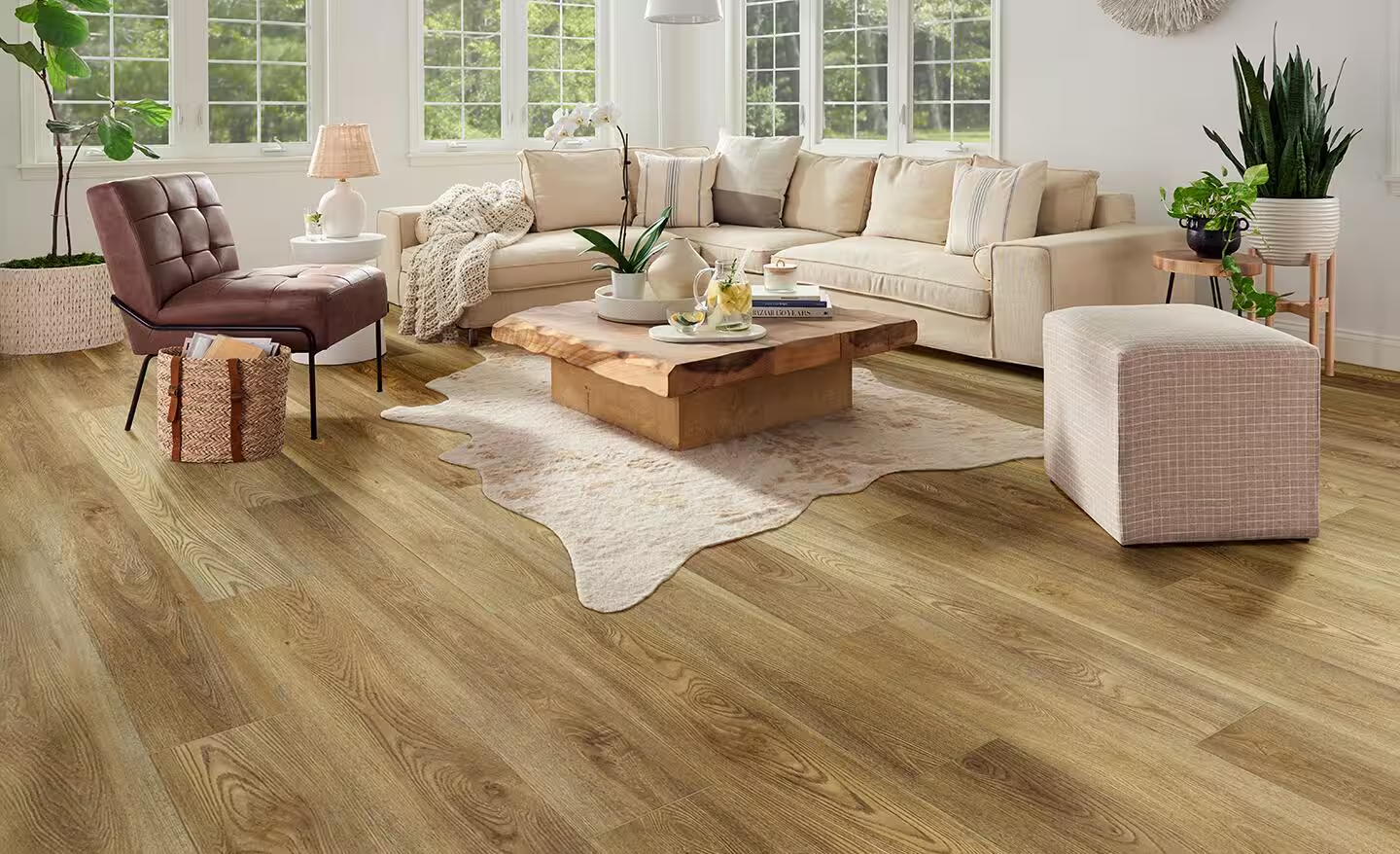
- Modern printing technology creates realistic wood-look designs
- Available in a wider variety of colors and patterns
- Consistent appearance across all installed pieces
While hardwood offers authentic natural beauty, high-quality vinyl has closed much of the visual gap in recent years.
2. Durability and Longevity
Durability is often the deciding factor in the hardwood vs vinyl flooring decision, especially for busy households.
Hardwood durability:
- Can last 25-100 years with proper care and refinishing
- Susceptible to scratches, dents, and water damage
- Can be sanded and refinished multiple times to restore appearance
Vinyl durability:
- Typically lasts 10-20 years depending on quality
- Highly resistant to scratches, dents, and moisture
- Cannot be refinished once damaged; requires replacement
Hardwood offers superior long-term lifespan when properly maintained, while vinyl provides excellent day-to-day durability without the risk of water damage.
(Internal link suggestion: link to “Best Flooring Options for High-Traffic Homes”)
3. Water and Moisture Resistance
This is one of the most significant differences in the hardwood vs vinyl flooring comparison, especially relevant for Indian homes during monsoon season.
Hardwood flooring:
- Vulnerable to warping, swelling, and damage from moisture
- Not recommended for bathrooms, kitchens, or high-humidity areas
- Requires immediate attention if water spills occur
Vinyl flooring:
- Naturally water-resistant, even fully waterproof in many varieties
- Ideal for kitchens, bathrooms, and entryways
- Handles humidity and occasional spills without damage
For homes in humid climates or areas prone to water exposure, vinyl clearly has the advantage in this category.
4. Cost Comparison
Budget often plays a significant role in the hardwood vs vinyl flooring decision-making process.
Hardwood costs:
- Higher upfront material and installation costs
- Additional costs for periodic refinishing over time
- Considered a long-term investment in property value
Vinyl costs:
- Significantly more affordable upfront
- Lower installation costs, often suitable for DIY projects
- No refinishing costs, though full replacement needed eventually
For homeowners on a tighter budget, vinyl offers excellent value, while hardwood suits those willing to invest more for long-term aesthetic and resale benefits.
(Internal link suggestion: link to “Budget Home Improvement Ideas That Increase Property Value”)
5. Maintenance Requirements
Ongoing maintenance needs differ significantly between these two flooring types.
Hardwood maintenance:
- Requires regular polishing and occasional refinishing
- Needs immediate cleanup of spills to prevent warping
- Sensitive to harsh cleaning chemicals
Vinyl maintenance:
- Simple sweeping and damp mopping suffices
- Resistant to most household chemicals and cleaning products
- Minimal special care required for day-to-day upkeep
If low-maintenance living is a priority, vinyl flooring clearly requires less ongoing effort compared to hardwood.
(Internal link suggestion: link to “How to Clean and Maintain Different Types of Flooring”)
6. Installation Process
The installation experience varies significantly in the hardwood vs vinyl flooring comparison.
Hardwood installation:
- Requires professional installation for best results
- Time-consuming process, often taking several days
- Needs acclimatization period before installation
Vinyl installation:
- Many varieties offer easy click-lock or peel-and-stick installation
- Can often be completed within a single day
- Suitable for DIY installation in many cases
For those wanting a quicker renovation timeline, vinyl flooring offers significant advantages in installation speed and simplicity.
7. Resale Value Impact
Understanding how each flooring type affects property value helps inform long-term decisions.
Hardwood flooring:
- Generally increases property value and buyer appeal
- Considered a premium feature in real estate listings
- Particularly valued in living rooms and formal spaces
Vinyl flooring:
- Doesn’t typically add the same premium value as hardwood
- Still appeals to buyers seeking practical, low-maintenance homes
- Works well in secondary areas without significantly affecting overall value
If resale value is a priority, hardwood in key living areas may offer better long-term returns.
8. Which One Should You Choose?
Deciding between hardwood vs vinyl flooring ultimately depends on your specific priorities and circumstances.
Choose hardwood if:
- You prioritize long-term aesthetic value and property appeal
- Your budget allows for higher upfront investment
- The area has minimal water or moisture exposure
Choose vinyl if:
- You need water-resistant, low-maintenance flooring
- Budget constraints are a significant factor
- You’re renovating high-traffic or moisture-prone areas
Many homeowners choose a combination — hardwood for living rooms and bedrooms, vinyl for kitchens and bathrooms — to get the best of both options.
Frequently Asked Questions
1. Which is more durable, hardwood or vinyl flooring? Hardwood can last longer overall with proper refinishing, but vinyl offers better resistance to daily wear, scratches, and moisture.
2. Is vinyl flooring a good alternative to hardwood? Yes, modern vinyl flooring closely mimics hardwood’s appearance while offering better water resistance and lower maintenance.
3. Does hardwood flooring increase home resale value more than vinyl? Generally yes, hardwood is often considered a premium feature that can positively influence resale value.
4. Can vinyl flooring be installed in bathrooms and kitchens? Yes, vinyl’s water resistance makes it an excellent choice for moisture-prone areas like bathrooms and kitchens.
5. Is hardwood flooring suitable for humid climates? Hardwood requires extra care in humid climates, as excess moisture can cause warping or damage over time.
6. Which flooring option is more budget-friendly? Vinyl flooring is significantly more affordable both in material cost and installation compared to hardwood.
Conclusion
The hardwood vs vinyl flooring decision ultimately comes down to your priorities — whether that’s long-term aesthetic value, budget constraints, or practical water resistance. Both options offer genuine advantages depending on your specific needs and lifestyle.
Consider mixing both materials strategically across different rooms to enjoy the benefits of each, and consult a flooring professional if you need personalized guidance for your space.
Ready to choose your flooring? Use this comparison to decide between hardwood vs vinyl flooring and create the perfect foundation for your home.