That Rotten Egg Smell From Your Tap Isn’t Just Gross — It’s Fixable
Let me guess. You walked into your bathroom one morning, turned on the shower, and got hit with a smell that made you wonder if something crawled into your pipes and died. If you’re on well water, there’s a good chance that’s sulfur, and no, you’re not imagining it. I remember the first time I encountered it at a friend’s cabin up north — I actually asked her if the septic tank had backed up. It hadn’t. It was just her water.
That rotten-egg odor comes from hydrogen sulfide gas, which forms naturally when groundwater passes through certain rock formations or reacts with sulfur bacteria underground. It’s more common than people realize, especially in rural areas with older wells. The good news, and there is good news, is that it’s one of the more solvable water problems out there once you know what you’re dealing with.
Okay, So What Actually Gets Rid Of It
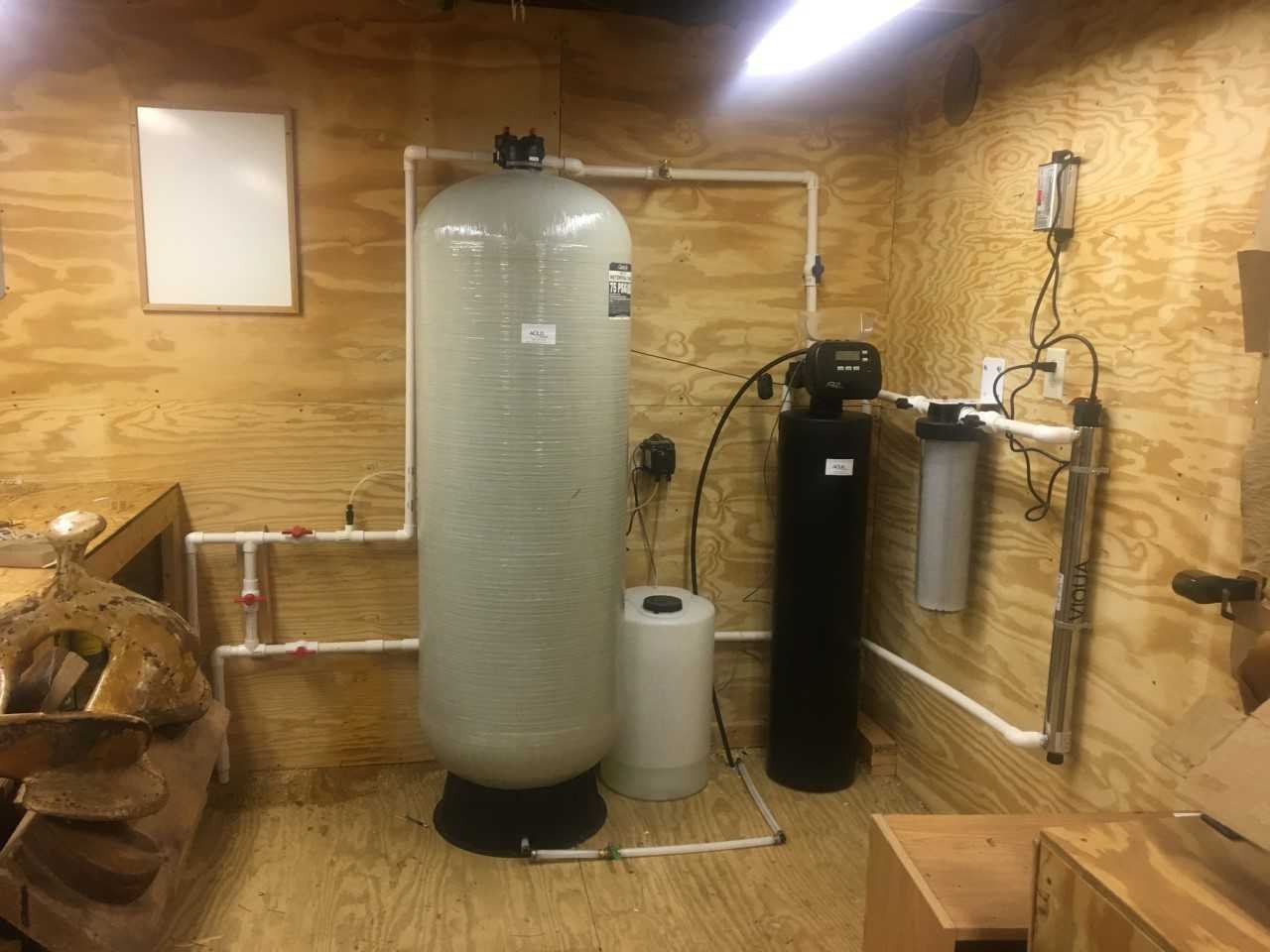
This is where a sulfur filter for well water comes in, and honestly, it’s kind of a lifesaver for anyone dealing with this issue. These filters typically use an oxidizing media — something that reacts with the hydrogen sulfide and converts it into a form that can be filtered out before it ever reaches your faucet. Some systems use air injection to oxidize the sulfur first, others rely on catalytic carbon or manganese greensand, which are terms I definitely didn’t know a year ago and now casually drop into conversations, much to my family’s mild annoyance.
The install isn’t usually as complicated as people fear either. A plumber or well specialist can typically get one set up in an afternoon, and from that point on, you kind of forget it’s even there — which, honestly, is the whole point. Good water treatment shouldn’t be something you think about daily.
But Sulfur Isn’t the Only Thing Well Water Throws at You
Here’s where things get a little broader. Sulfur is one issue, sure, but well water can carry all sorts of other baggage — iron, sediment, bacteria, nitrates, you name it. Depending on where you live and how deep your well goes, you might be dealing with a whole cocktail of stuff that municipal water customers never have to think about.
That’s why a lot of well owners end up looking into full water treatment systems rather than a single fix. These setups are usually a combination of components working together — maybe a sediment pre-filter, a sulfur or iron removal stage, and sometimes UV disinfection if bacteria’s a concern. It sounds like a lot, and honestly the first time I saw a diagram of one, I felt a little overwhelmed too. But once it’s installed, it basically runs itself. You check filters periodically, maybe swap media once a year, and that’s about it.
Then There’s the Hardness Problem, Which Is a Whole Separate Thing
I’ll be honest, when I first started dealing with well water issues, I assumed hardness and sulfur smell were the same problem. They’re not, not even close. Hardness comes from dissolved calcium and magnesium, and it shows up as scale buildup, dry skin, and soap that just won’t lather no matter how much you use.
A water softener deals with that specifically, through ion exchange, swapping the hard minerals for sodium. It won’t touch the sulfur smell at all — I learned that the hard way after installing one and still getting hit with rotten-egg water every morning, wondering why nothing had changed. Turns out you often need both systems working in tandem, each handling its own lane. Kind of like how a water filter and an air purifier both “clean” something but couldn’t be more different in what they’re actually doing.
What I’d Actually Tell a Friend
If you’re dealing with smelly well water, don’t just throw random fixes at it and hope. Get your water tested first — most county extension offices or local water treatment companies will do this, sometimes free, sometimes for a small fee. Figure out exactly what you’re dealing with, because sulfur, iron, and hardness all need different solutions, and guessing wrong wastes money and patience.
I’ve been down this road myself, and I won’t pretend it wasn’t a bit of trial and error getting my setup right. But now, showering doesn’t feel like a chemistry experiment gone wrong, and my coffee actually tastes like coffee instead of pennies. That’s worth something.
Well water has its quirks, no doubt about it. But most of those quirks have real solutions, not just band-aids. Test your water, figure out what’s actually going on underground, and build a system that matches your specific problem instead of guessing. Your nose — and your morning shower — will thank you.