Clean Water at Home: How the Right Water Treatment Approach Makes a Difference
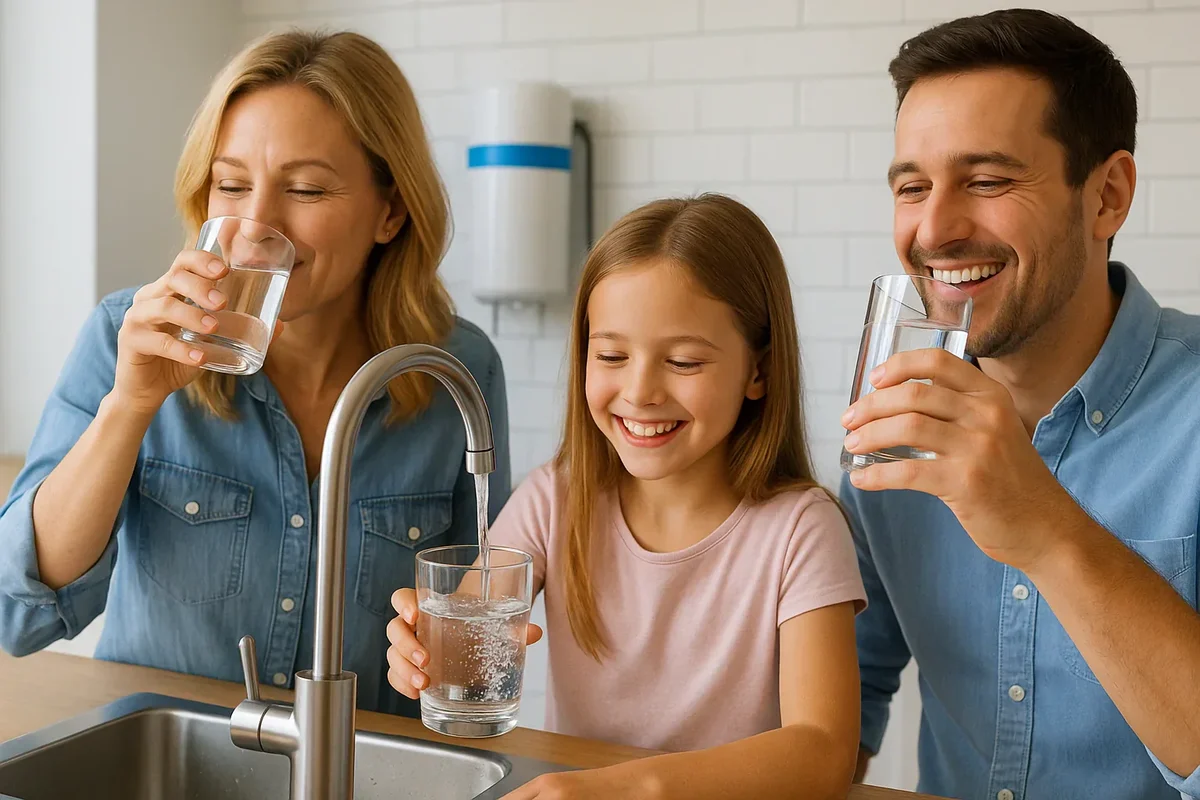
There’s something easy to take for granted about water. Turn on the tap, fill a glass, and carry on with the day. But what comes out of that faucet can vary quite a bit depending on where you live, the condition of local pipes, your water source, and the minerals or contaminants naturally present in it.
That’s why water treatment isn’t simply about making water taste better. It’s about understanding what’s actually in your water and choosing a solution that fits your household. Sometimes the answer is surprisingly simple. Other times, a more complete system makes sense. The trick is knowing the difference.
Start by Understanding Your Water
Before buying a filtration system, it helps to stop and ask a basic question: what problem are you actually trying to solve?
Tap water may contain chlorine, sediment, minerals such as calcium and magnesium, or other substances that affect taste, smell, appearance, or household plumbing. Well water can present a different set of challenges altogether, including iron, sulfur odors, hardness, and sediment.
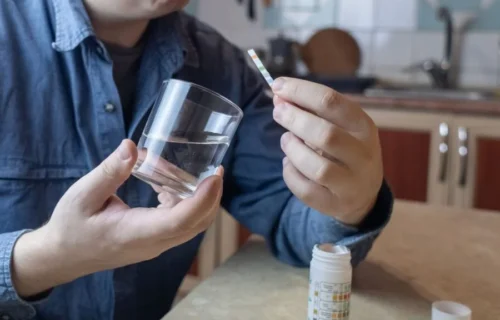
A free water test can be a useful starting point because it gives homeowners something more reliable than guesswork. Instead of choosing a system because a neighbor likes it or because an advertisement promises “pure water,” testing helps identify the characteristics of your own supply.
And honestly, that matters. Water treatment is not one-size-fits-all.
Why Water Quality Can Affect Everyday Life
Some water problems are obvious. You might notice a strange smell when you turn on the shower or see white spots collecting around a faucet. Other issues are less noticeable.
Hard water, for example, may leave mineral deposits on fixtures and contribute to scale buildup inside appliances and plumbing. Over time, that buildup can become an annoying maintenance problem. It can also make soap and shampoo feel different, which is why some people describe hard water as leaving their skin or hair feeling dry.
Then there’s taste.
Even when water meets applicable safety standards, unpleasant chlorine tastes or odors can make people less interested in drinking it. That often leads to a familiar household habit: reaching for bottled water instead.
A properly selected filtration solution can make everyday water use feel easier, cleaner, and simply more pleasant.
Choosing Between Point-of-Use and Whole-Home Filtration
One of the biggest decisions homeowners face is whether they need filtration at a single faucet or throughout the house.
Point-of-use systems are designed for specific locations, commonly the kitchen sink. They can be practical when the main concern is drinking and cooking water.
But if you’re dealing with sediment, unpleasant odors, chlorine, or other water-quality concerns throughout the property, a broader approach may be more appropriate.
That’s where whole-home filtration comes into the conversation. Instead of treating water only at one faucet, a whole-home system can be installed at the main water entry point so treated water is available throughout the house.
Think about it this way: if the concern affects the shower, laundry, bathroom sinks, kitchen, and appliances, treating just one faucet may leave most of the problem untouched.
Water Softeners and Filters Aren’t the Same Thing
This is another area where homeowners can easily get confused.
A water softener is primarily designed to address hardness minerals, particularly calcium and magnesium. Filtration systems, meanwhile, can target different substances depending on the technology used.
So, if your biggest complaint is scale on faucets and appliances, a softener may be worth considering. If your concern is chlorine taste or sediment, filtration may be more relevant. In some homes, using both makes sense.
The important point is to match the equipment to the water condition rather than assuming the most expensive system is automatically the best.
More equipment doesn’t always mean better results.
Don’t Ignore the Plumbing Around You
Water quality and plumbing condition are closely connected, but they’re not the same issue.
A filtration system can improve water characteristics, but it won’t magically repair an aging pipe, leaking connection, faulty pressure regulator, or damaged fixture. If you’ve suddenly noticed discoloration or a change in water pressure, it’s worth looking beyond the treatment equipment.
Likewise, a properly maintained system needs attention over time. Filters have replacement schedules. Some equipment requires periodic cleaning, inspection, or adjustment. Ignoring maintenance can reduce performance and eventually turn a helpful system into an expensive headache.
Good water treatment is less about installing something and forgetting it, and more about keeping the entire setup working properly.
Professional Guidance Can Save Time and Money
There’s a tendency to think that water treatment should be a simple shopping decision. Search online, compare a few models, pick one, install it, done.
Sometimes that works.
But water chemistry can be complicated, especially with private wells or multiple water-quality concerns. A professional can help interpret test results, identify the likely source of a problem, and recommend equipment based on household water use.
For many homeowners, water support starts here — with a conversation about what’s happening at the tap, not with a sales pitch for a particular machine.
That distinction is important. A good water professional should be willing to explain what a system does, what it doesn’t do, how often it needs maintenance, and why it’s appropriate for your water.
Think About the Whole Household
When choosing a water treatment system, consider how your family actually uses water.
Do you rely heavily on a washing machine? Do you have children who drink water throughout the day? Are there multiple bathrooms? Do you use a dishwasher frequently? Is your home supplied by a private well?
These details may seem small, but they can influence system capacity and maintenance needs.
It’s also worth considering future needs. A system that works comfortably for two people may not be ideal if your household grows or water consumption increases.
The best solution should fit real life, not just look impressive on a product brochure.
A Better Approach to Cleaner Water
There’s no single magic answer for every home. Water quality varies, and so do household priorities.
The smartest approach is fairly straightforward: test the water, identify the actual concern, understand the available treatment options, and choose equipment that addresses those needs without unnecessary complexity.
Clean, pleasant water can make a surprising difference in daily life. It’s there when you make coffee in the morning, wash dishes after dinner, take a shower, fill a pet’s bowl, or simply reach for a glass because you’re thirsty.
That’s why water treatment deserves a little more thought than a quick online purchase. Start with what your water is telling you. From there, the right solution becomes much easier to find.