A Practical Guide to Better Water Throughout Your Home
Most people don’t spend much time thinking about the water flowing through their homes. It’s there when we wake up, when we make coffee, wash dishes, take a shower, or fill a glass before bed. Water is one of those everyday essentials that quietly does its job in the background.
Until it doesn’t.
Maybe your drinking water has an odd taste. Perhaps your shower doors constantly collect white mineral spots, or your skin feels dry after bathing. Some homeowners notice rusty stains in sinks. Others simply get tired of carrying cases of bottled water home every week.
These little frustrations often have something in common: the water itself may need attention.
The good news is that improving water quality doesn’t always mean installing the biggest, most complicated system available. Sometimes the right answer is a small filtration system at a single faucet. In other cases, a home may benefit from treating the water supply before it reaches showers, appliances, and every tap in the building.
The important part is understanding the problem first.
Start by Looking at How You Use Water
A household uses water in more ways than most people realize. Drinking is only a small part of the picture. Water also affects cooking, laundry, cleaning, bathing, plumbing fixtures, dishwashers, washing machines, and water heaters.
That’s why one homeowner’s ideal treatment system may be completely different from another’s.
For example, someone living in an apartment with decent municipal water may mainly want cleaner, better-tasting water for drinking and cooking. A compact filtration solution installed beneath the kitchen sink could make perfect sense.
On the other hand, a larger family dealing with hard water, sediment, unpleasant odors, or staining may need a broader approach.
Before choosing equipment, it helps to ask a few honest questions. What exactly is bothering you about the water? Is the issue mainly taste? Are there visible stains? Does soap struggle to lather? Is there an odor? Have you had the water tested?
These details matter more than a fancy product label.
A Convenient Option for Better Drinking Water
For homeowners who want to focus specifically on drinking and cooking water, under-sink drinking water systems can be a practical choice.
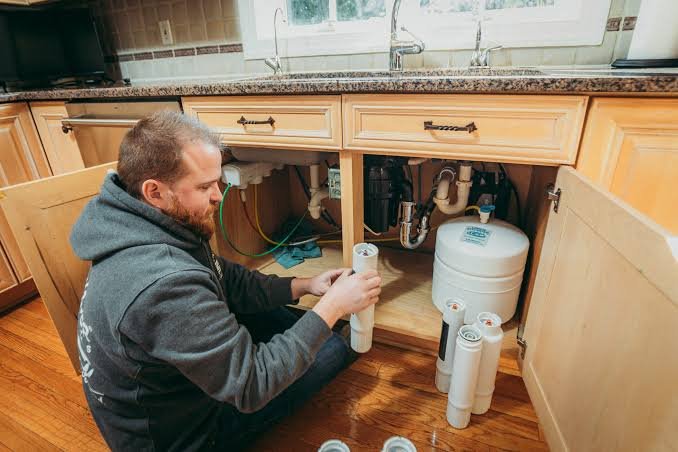
As the name suggests, these systems are typically installed beneath the kitchen sink and connected to a dedicated faucet or, in some setups, the existing faucet. Depending on the technology used, they can help reduce particular contaminants and improve the overall taste of water.
One of their biggest advantages is convenience. Instead of constantly filling pitchers or storing stacks of bottled water, filtered water is available right where it is needed most.
That can make everyday routines a little easier. Making tea in the morning, filling a reusable bottle before leaving the house, or cooking pasta at dinner suddenly becomes one less thing to think about.
Of course, not every under-sink system does the same job. Carbon filtration, reverse osmosis, and other technologies have different strengths. That’s why homeowners should look beyond marketing claims and consider what the system is actually designed to reduce.
When the Entire House Has Water Issues
Sometimes the kitchen faucet isn’t the only concern.
If mineral deposits appear on bathroom fixtures, laundry feels rough, or sediment seems to affect multiple areas of the home, treating only drinking water may not address the bigger issue.
This is where whole-home filtration can become worth considering.
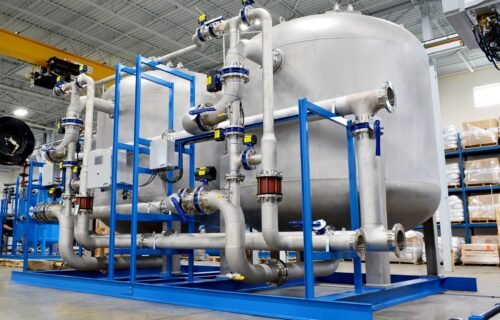
A system installed near the point where water enters the house can treat water before it travels through the plumbing system. Depending on the setup, this may help address concerns such as sediment, chlorine, certain odors, or other water-quality issues throughout the home.
The benefit is fairly straightforward: the treatment isn’t limited to one sink.
Showers, bathroom faucets, washing machines, and other water-using fixtures can all receive treated water. For a household dealing with widespread water problems, that broader coverage may be more useful than placing separate filters at multiple locations.
Still, bigger isn’t automatically better. A whole-home system should be sized according to water usage, household size, plumbing, and the specific water conditions. Installing equipment that doesn’t match the home’s needs can lead to disappointing results, and nobody wants to spend good money just to end up back at square one.
The Everyday Difference Hard Water Can Make
Hard water is another issue that can slowly make life more annoying.
You may notice white spots on glasses even after they come out of the dishwasher. Faucets develop crusty buildup. Showerheads lose performance. Soap doesn’t seem to rinse away properly, and cleaning the bathroom becomes more work than it should be.
Those minerals can also build up inside appliances and plumbing over time.
For homes with excessive hardness, water softening may help reduce the impact of minerals such as calcium and magnesium. A properly selected softener can make a noticeable difference in everyday cleaning and may help protect appliances that regularly use water.
There’s also a comfort factor that people sometimes underestimate. Clothes may feel softer after washing. Soap can lather more easily. Cleaning products may work better because they aren’t constantly fighting mineral-heavy water.
It sounds like a collection of small improvements, and it is. But small improvements repeated every day can add up to something meaningful.
Testing First Can Save Money Later
One of the biggest mistakes homeowners make is buying a treatment system before understanding their water.
It’s tempting to search online, read a few reviews, and order whatever seems popular. But water quality can vary significantly from one location to another, and even neighboring homes may have different concerns.
A proper water test can provide valuable information about the water entering the home. Depending on the source and situation, testing may look at hardness, pH, iron, bacteria, total dissolved solids, or other factors.
Once you know what you’re dealing with, choosing treatment equipment becomes much more logical.
Think of it this way: you wouldn’t buy a dozen different tools before knowing what needs repairing. Water treatment works best when the solution is connected to a real problem.
Testing can also prevent unnecessary spending. If your water is already suitable in one area, you may not need an expensive system designed to solve an issue that isn’t actually present.
Maintenance Is Part of the Deal
Even the best water treatment equipment needs some attention.
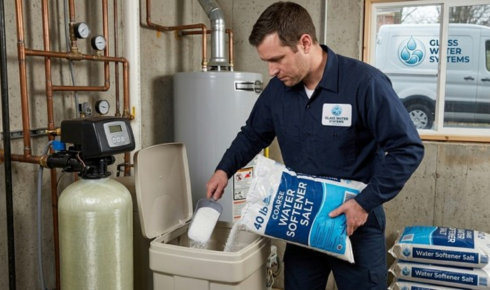
Filters eventually need replacement. Some systems require periodic servicing, cleaning, or adjustments. A water softener may need salt replenishment, depending on the type of system.
This doesn’t mean water treatment is difficult or high-maintenance, but it’s worth understanding the long-term responsibility before installation.
Ask about replacement schedules, service requirements, operating costs, and expected lifespan. These practical details are easy to overlook when you’re focused on the initial purchase price.
A cheaper system with expensive filters can sometimes cost more over several years than a higher-quality option with reasonable maintenance.
Finding the Right Balance for Your Home
Better water doesn’t always come from one magical machine. In many homes, the best solution is a combination of treatments designed around different needs.
A household might use a whole-home filter for general water quality while installing a separate drinking water system in the kitchen. Another home may primarily need a softener. Someone else may only need a simple filter to improve taste.
There is no prize for installing the most equipment. The goal is simply to have a system that works.
When homeowners understand their water, consider how they use it, and choose treatment based on real needs, the results can be surprisingly satisfying.
In the end, better water is one of those home improvements that can quietly improve daily life. You may not stop and admire it the way you admire a renovated kitchen or a freshly painted living room. But you’ll notice it in the little moments: a cleaner shower door, softer laundry, better-tasting coffee, fewer spots on dishes, and a glass of water you actually enjoy drinking.
And sometimes, those everyday improvements are exactly the ones that matter most.