Cleaner Water Starts With Choosing the Right Treatment System
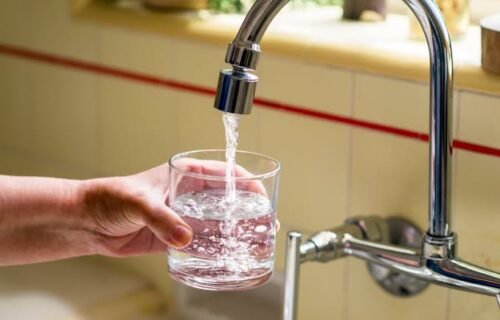
Water is one of those household essentials we rarely think about until something tastes strange, leaves spots on the dishes, or starts making the shower feel less refreshing. Turning on a tap and expecting clean, pleasant water is normal. But depending on where you live and the quality of your local supply, that expectation may need a little help.
The good news is that modern water treatment doesn’t have to be complicated. From under-sink filtration to comprehensive solutions for an entire property, there are several ways to improve water quality. The real challenge is knowing what your water actually needs instead of buying a system based on guesswork.
Start by Understanding Your Water
Before choosing a treatment system, take a closer look at your water. Municipal water and private well water can have very different concerns. Even homes on the same street may experience differences because of plumbing materials, building age, or local water conditions.
Common water-quality issues include chlorine taste and odor, sediment, hardness, iron, unpleasant smells, and certain contaminants that aren’t always visible. Clear water isn’t necessarily perfect water, either. Some substances have no obvious taste, smell, or color.
A professional water test can provide a much better starting point. Testing helps identify what’s actually present and prevents you from spending money on equipment you don’t need. It’s a simple step, but it can save plenty of frustration later.
Where Reverse Osmosis Makes Sense
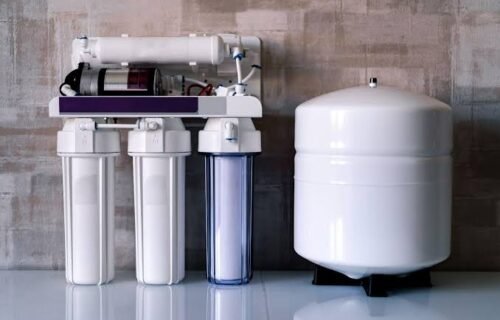
For homeowners who are particularly concerned about the quality of their cooking and drinking water, reverse osmosis can be an effective option. The process uses pressure to push water through a specialized membrane, reducing many dissolved substances and impurities.
RO systems are commonly installed at a kitchen sink, where treated water can be used for drinking, cooking, making coffee, and filling water bottles. That focused approach makes sense when the primary goal is better-quality water for consumption rather than treating every drop entering the home.
Still, reverse osmosis isn’t automatically the right answer for every household. It can remove beneficial minerals along with unwanted substances, and the system produces some wastewater during the treatment process. Maintenance also matters. Filters and membranes need to be replaced according to the manufacturer’s recommendations.
In other words, it’s a useful tool, not a magic wand. The best system depends on the water problem you’re trying to solve.
Drinking Water Should Taste Good, Too
Water quality isn’t only about laboratory results. Taste matters. If water has a strong chlorine smell or an unpleasant metallic flavor, people may simply drink less of it. That’s especially common in busy households where everyone reaches for bottled water instead.
Modern drinking water systems can make treated water more convenient and enjoyable at the point where it’s actually consumed. Depending on the setup, these systems may combine sediment filtration, carbon filtration, reverse osmosis, or other treatment methods.
The right combination depends on your test results. Carbon filtration, for example, is often useful for improving taste and reducing chlorine, while other technologies address specific contaminants.
There’s also a practical advantage: a well-designed system can reduce dependence on bottled water. You don’t have to constantly carry cases home, store them in the pantry, or wonder what to do with all those empty bottles afterward.
Hard Water Is a Different Problem
Hard water deserves special attention because it isn’t necessarily a contamination issue. Instead, it contains higher levels of minerals such as calcium and magnesium.
You might notice hard water as white deposits around faucets, cloudy shower doors, stiff laundry, or scale inside appliances. Over time, mineral buildup can affect water heaters, fixtures, dishwashers, and other plumbing components.
A water softener can help by reducing the minerals responsible for hardness. That’s different from a filtration system designed primarily for drinking water.
This distinction is important. Many homeowners assume one filter should solve every water problem, but treatment technologies are designed for different jobs. Trying to make one piece of equipment do everything can lead to disappointing results.
When the Whole Home Needs Attention
Sometimes the issue isn’t limited to the kitchen faucet. If hard water, sediment, chlorine, odor, or other concerns affect showers, laundry, appliances, and every faucet, treating water at a single point may not be enough.
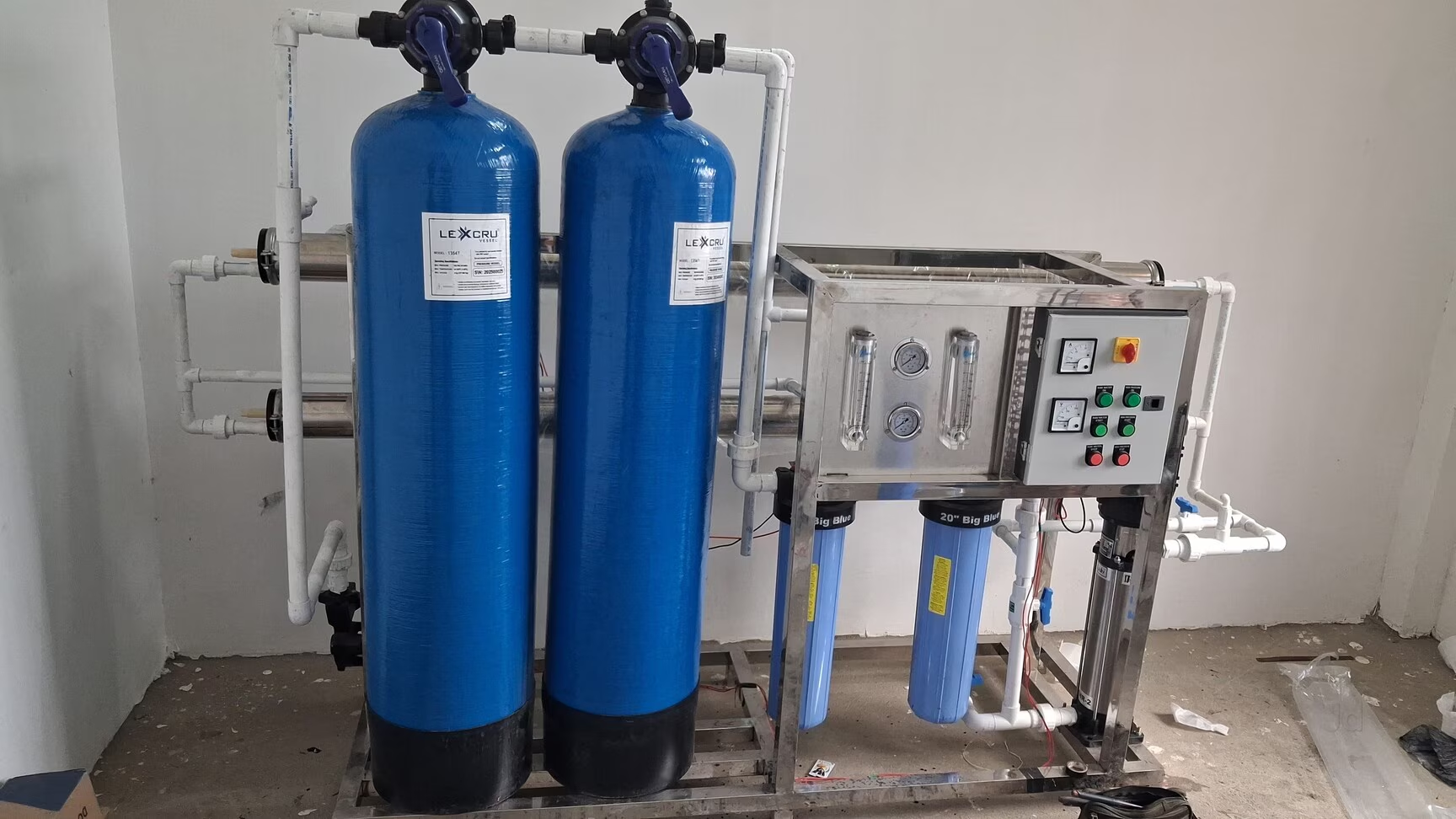
That’s where whole house water treatment becomes worth considering. These systems are installed at a central point so treated water can reach multiple fixtures throughout the property.
The benefits can go beyond drinking. Cleaner water may help reduce scale on fixtures, improve the feel of shower water, protect certain appliances, and make everyday chores a little easier.
Of course, whole-home treatment can involve a larger initial investment than a small point-of-use filter. It also requires proper sizing and installation. A system that’s too small may struggle to meet household demand, while an oversized setup may cost more than necessary.
Professional assessment can make a big difference here.
Don’t Forget About Maintenance
Even a high-quality water treatment system needs attention. Filters become saturated. Membranes eventually wear out. Softener components require servicing. And storage tanks or other equipment may need periodic inspection.
Skipping maintenance is an easy mistake because water treatment equipment usually sits quietly in the background. You don’t see it working, so it’s tempting to forget about it.
A simple maintenance schedule helps. Keep track of filter replacement dates, inspect connections for leaks, and follow the manufacturer’s recommendations. If water quality suddenly changes, don’t ignore it. A strange taste or odor could indicate that a filter needs replacement or that something else has changed in the water supply.
Better Water Doesn’t Have to Be Complicated
Choosing a water treatment system shouldn’t start with a product brochure. It should start with your water.
Test the supply, identify the actual problems, think about which fixtures need treatment, and then compare technologies that address those specific concerns. For some homes, a basic carbon filter may be plenty. Others may benefit from reverse osmosis, water softening, whole-home filtration, or a combination of systems.
The goal isn’t to make water as heavily treated as possible. It’s to make it appropriate for your household.
Clean, reliable water is one of those improvements you notice every day once it’s done. The coffee tastes better. The shower feels nicer. The sink stays cleaner. And, perhaps best of all, you stop thinking about what’s coming out of the tap and simply trust it.
That’s really what good water treatment should provide: less worry, better water, and a solution that quietly does its job.