What Your Water Is Telling You: Why Testing, Softening, and Plumbing Matter
There’s something easy to forget about water: just because it looks clear doesn’t mean everything is fine. We turn on the tap, fill a glass, wash vegetables, take a shower, and get on with the day. Water is such a normal part of life that we rarely stop to think about what might be happening inside the pipes or beneath the surface.
But changes in taste, smell, staining, pressure, or even the condition of your fixtures can be little warning signs. Sometimes the problem is harmless and temporary. Other times, it points to minerals, sediment, plumbing damage, or water-quality concerns that deserve attention.
That’s why understanding your home’s water can make a surprising difference. A combination of proper testing, suitable treatment, and timely maintenance can help protect your household, appliances, and plumbing system for years.
Start With Knowing What’s Actually in Your Water
Guessing isn’t a particularly good strategy when it comes to water quality. If you’re concerned about unusual taste, odor, discoloration, or recurring stains, water testing gives you a clearer starting point.
A proper test can examine different characteristics depending on your water source and local concerns. For example, homeowners may test for hardness, pH, iron, manganese, chlorine, bacteria, nitrates, or other contaminants. People using private wells may need more regular attention because well water can change with weather, groundwater conditions, nearby activity, and seasonal patterns.
Testing also prevents an easy mistake: buying a treatment system simply because someone recommended it. Your neighbor’s water may have completely different characteristics from yours. A system that works beautifully in one house might be unnecessary—or poorly suited—for another.
In other words, test first, treat second. It sounds obvious, but it can save money and frustration.
Hard Water Is More Than an Annoying White Film
Hard water is one of those household problems that people often learn to live with. You notice cloudy shower doors, spots on faucets, soap that doesn’t seem to rinse properly, or a crusty layer around appliances. Eventually, it becomes part of the background.
The main culprits are usually calcium and magnesium. These naturally occurring minerals aren’t necessarily something to panic about, but they can create practical problems when they accumulate inside plumbing and appliances.
Over time, mineral deposits can contribute to scale buildup in water heaters, pipes, showerheads, dishwashers, and washing machines. Your water heater may have to work harder, and fixtures can become less efficient. That little white deposit around the faucet suddenly has a much bigger story behind it.
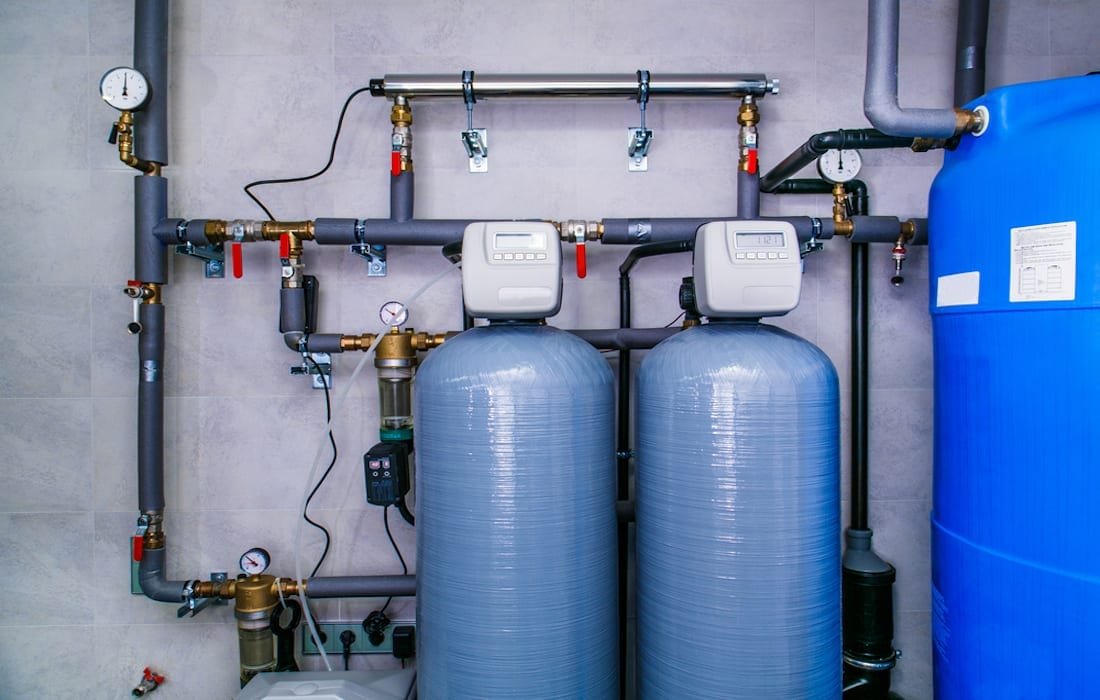
This is where water softeners can become useful. A properly selected softener reduces hardness minerals before water travels throughout the home. The result can mean fewer scale deposits, easier cleaning, better soap performance, and less mineral buildup on plumbing components.
Still, a softener isn’t a universal answer. If your primary concern is bacteria, sediment, chlorine, or another contaminant, you may need a different treatment approach—or a combination of systems.
Pay Attention to Changes in Taste and Smell
Water doesn’t have to look dirty to make you question its quality. A sudden metallic taste, chlorine-like smell, earthy odor, or rotten-egg smell can be enough to make anyone hesitate before taking a sip.
Some odors have relatively simple explanations. For instance, hydrogen sulfide can create that familiar rotten-egg smell, particularly in some well-water supplies. Chlorine odors may be associated with disinfected municipal water. Metallic tastes can sometimes be linked to minerals or interaction with household plumbing.
The important thing is not to automatically assume the cause.
If something has changed, investigate it. A water test can help identify whether the issue is related to the source, treatment system, or plumbing inside the property. And if the change is sudden or severe, especially after construction, flooding, a plumbing failure, or a change in the water supply, it’s worth getting professional advice rather than simply covering the smell with a filter.
Your Plumbing System Has a Story to Tell, Too
Water quality and plumbing health are closely connected. You can have excellent water coming into your property and still experience problems once it travels through aging pipes, fittings, tanks, and fixtures.
A dripping faucet may seem insignificant. A slow drain can feel like an everyday nuisance. A small leak under the sink? Easy to ignore for another week.
That’s how minor plumbing issues sometimes become expensive ones.
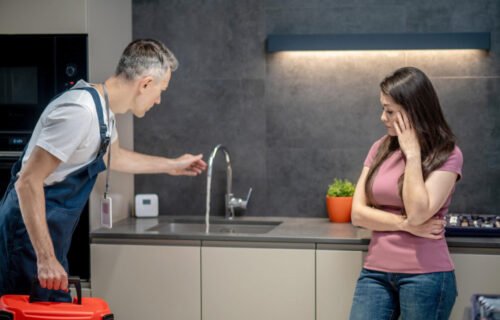
Professional plumbing services can help identify leaks, pressure problems, corroded components, failing water heaters, damaged valves, and other issues that aren’t always obvious to the homeowner. Regular inspections are especially useful in older homes, where hidden deterioration may be developing behind walls or under floors.
And no, you don’t need to call a plumber every time a faucet drips. Some simple maintenance jobs are perfectly reasonable DIY projects. But when water is leaking behind a wall, pressure suddenly drops, sewage odors appear, or a water heater starts behaving strangely, it’s usually better to stop guessing.
Choosing the Right Treatment Takes a Little Thought
There isn’t one magic water-treatment system for every household. That’s probably the most important thing to understand before spending money on equipment.
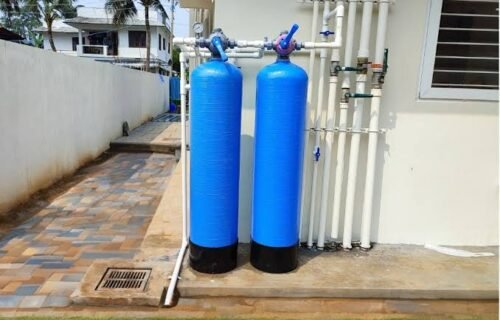
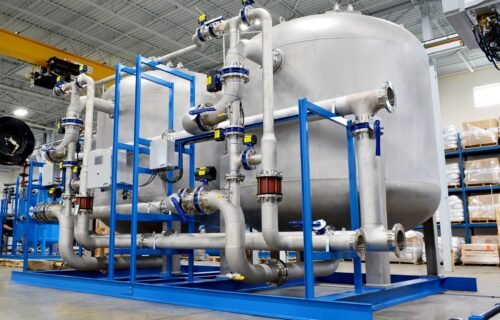
A sediment filter may be appropriate when sand, dirt, or suspended particles are the issue. Activated carbon can be useful for certain taste and odor concerns. A water softener is designed primarily for hardness. Reverse osmosis systems are often used for point-of-use drinking-water treatment and can address certain dissolved substances.
The right choice depends on the actual problem.
It’s also worth considering how much water your household uses. A system designed for a small apartment may not be appropriate for a large family home. Maintenance requirements matter, too. Filters need replacement, softeners need salt or other maintenance depending on the technology, and treatment equipment should be checked periodically.
The cheapest system isn’t always the cheapest over five or ten years.
Small Warning Signs Are Worth Taking Seriously
Homeowners often wait until something becomes inconvenient before dealing with it. Fair enough—we all have busy lives. But water problems have a habit of getting more expensive when ignored.
Watch for:
- Persistent water stains around fixtures
- Unexplained changes in water pressure
- White or chalky scale buildup
- Unusual taste or odor
- Frequent plumbing leaks
- Rust-colored or cloudy water
- Appliances developing mineral deposits
- A water heater making unusual noises
- Sudden changes in well-water quality
None of these signs automatically means there’s a major problem. But they’re good reasons to investigate instead of shrugging them off.
Better Water Starts With Better Information
Your home’s water system doesn’t need to become a complicated science project. In most cases, the sensible approach is surprisingly straightforward: understand your water source, test when there’s a reason to be concerned, identify the actual problem, and choose treatment based on evidence rather than guesswork.
Good water management is also about prevention. Maintaining plumbing, replacing filters when necessary, checking treatment equipment, and addressing small leaks early can prevent plenty of headaches later.
At the end of the day, water should be one less thing you have to worry about. A little attention now can protect your plumbing, improve everyday comfort, and help you make smarter decisions about the water your household relies on every single day.