Smarter Water Management Starts With the Problems You Can’t See
Water systems have a funny way of getting your attention. Usually, it’s not when everything is working perfectly. It’s when the shower pressure drops, a faucet starts dripping at midnight, or a suspicious wet patch appears in the yard for no obvious reason.
The frustrating part is that many water and plumbing problems begin quietly. A tiny leak behind a wall or beneath a foundation can continue for weeks before anyone notices. By then, the repair may be more complicated than it needed to be.
Good water management is less about reacting to emergencies and more about understanding how a property uses water. From regular inspections to efficient plumbing and treatment equipment, a little attention today can prevent a surprisingly expensive headache tomorrow.
Small Plumbing Problems Rarely Stay Small
A dripping faucet might seem harmless. After all, it’s only a few drops at a time. But plumbing systems operate continuously, and small failures can gradually become expensive ones.
Hidden leaks are even more concerning. Water can seep behind cabinets, beneath flooring, inside walls, or under concrete. Besides wasting water, persistent moisture can damage building materials and create an environment where mold and mildew become a concern.
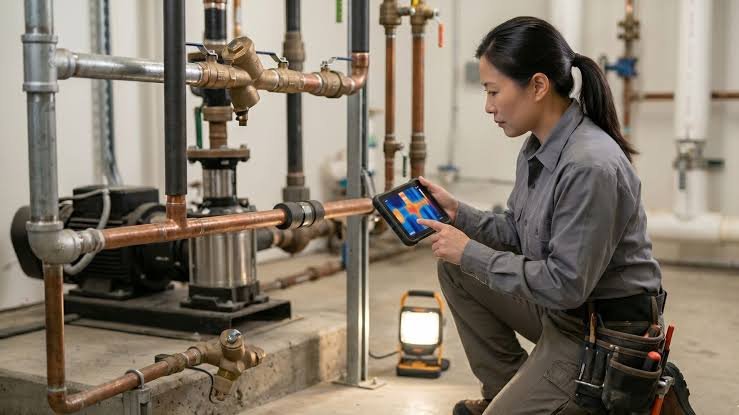
That’s where leak detection & plumbing expertise becomes valuable. Professionals can inspect pipes, fixtures, valves, and other components to identify problems that aren’t obvious during a normal walk-through. Modern detection methods can sometimes locate leaks without tearing apart walls or floors unnecessarily.
For homeowners, this can mean less disruption. For businesses, it can prevent downtime and protect valuable property.
Why Preventative Maintenance Makes Sense
Most people maintain their cars because they understand that oil changes and inspections are cheaper than a major engine failure. Plumbing deserves much the same mindset.
A faucet doesn’t schedule its breakdown according to your convenience. Neither does a water heater or underground pipe.
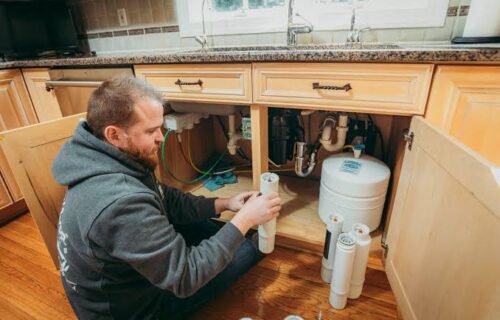
Creating preventative maintenance plans gives property owners a way to stay ahead of common problems. Depending on the property, maintenance might include checking water pressure, inspecting shut-off valves, testing backflow prevention equipment, examining water heaters, cleaning filters, and looking for signs of corrosion or mineral buildup.
The schedule doesn’t have to be complicated. Some components may need attention every few months, while others can be checked annually. What matters is consistency.
And honestly, there’s something reassuring about knowing someone has looked at the system before it decides to fail on a Saturday evening.
Water Quality Is Part of the Bigger Picture
Plumbing isn’t only about moving water from one place to another. The quality of that water matters, too.
Depending on the local supply and property, water may contain minerals, sediment, chlorine, iron, or other substances that affect taste, appearance, fixtures, and appliances. Hard water, for example, can leave scale around faucets and gradually build deposits inside pipes and water-heating equipment.
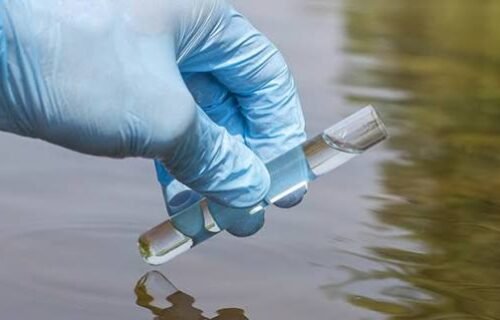
The first step should be testing rather than guessing. A water analysis can identify specific characteristics and help determine whether filtration, softening, purification, or another treatment approach is appropriate.
This is particularly important for homes using private wells. Well water can vary significantly depending on local geology, seasonal conditions, and other factors. Regular testing provides useful information and can help homeowners make sensible treatment decisions.
Different Properties Have Different Water Needs
A family home and a busy commercial building obviously don’t use water in quite the same way.
A restaurant may depend heavily on reliable hot and cold water throughout the day. An office building might have fewer demanding fixtures but a much larger plumbing network. An apartment complex has its own challenges, with multiple units sharing infrastructure.
This is why residential & commercial water solutions shouldn’t be approached as a one-size-fits-all service. The right system depends on usage, building size, water quality, existing infrastructure, and long-term goals.
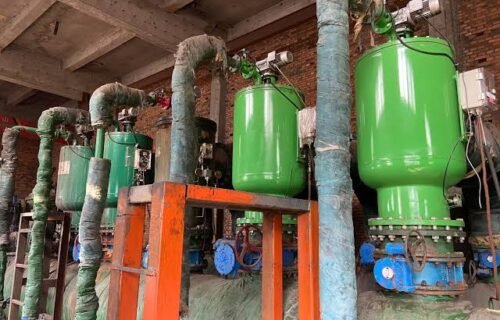
Residential systems may focus on drinking-water quality, softening, filtration, and household plumbing efficiency. Commercial properties may need larger-scale treatment equipment, specialized filtration, water-saving technologies, or scheduled servicing to keep operations moving.
The goal isn’t simply to install more equipment. It’s to install the right equipment.
Watch Your Water Bill for Clues
Your monthly water bill can tell you more than you might think.
If consumption suddenly rises without a clear explanation, investigate. Maybe you’ve been watering the garden more frequently. Perhaps guests have increased household usage. But if nothing has changed, a leak could be responsible.
Compare bills over several months rather than focusing on one unusual reading. A gradual increase can be just as informative as a sudden spike.
Businesses should pay even closer attention because unnoticed water loss can become a recurring operating expense. Monitoring usage can help identify unusual patterns before they turn into major costs.
Smart water meters and monitoring systems can make this easier by providing more detailed information about consumption. For some properties, that extra visibility is worth the investment.
Efficiency Doesn’t Mean Sacrificing Comfort
Saving water sometimes gets framed as an inconvenience, but efficient systems don’t have to make life harder.
Low-flow fixtures, efficient appliances, properly calibrated irrigation, leak-free plumbing, and smart controls can reduce waste without making everyday routines feel different. In many cases, efficiency simply means that water is being used where and when it’s actually needed.
There are also financial benefits. Less wasted water can mean lower utility costs, while well-maintained equipment may operate more efficiently and last longer.
It’s a fairly simple idea: don’t make your plumbing system work harder than it has to.
Planning Today Can Prevent Tomorrow’s Emergency
Water infrastructure isn’t something most people think about until something goes wrong. That’s understandable. Pipes are hidden, treatment systems sit quietly in utility rooms, and properly working fixtures don’t demand attention.
Still, taking a proactive approach pays off.
Regular inspections, timely repairs, water testing, sensible treatment equipment, and ongoing maintenance can protect both residential and commercial properties. More importantly, these steps give owners a clearer understanding of what’s happening beneath the surface.
There will always be unexpected plumbing problems. No maintenance plan can prevent every failure. But good water management can make those surprises less frequent, less expensive, and a whole lot less stressful.
In the end, the smartest water system isn’t necessarily the biggest or most expensive one. It’s the one that’s properly understood, thoughtfully maintained, and suited to the property it serves. Sometimes, taking care of what you can’t see is the best way to protect everything you can.