Making Better Water Choices: A Practical Guide to Cleaner Water at Home
Water is one of those household essentials we usually notice only when something goes wrong. Maybe the tap water tastes odd. Perhaps the kettle has developed a stubborn white coating, or the shower leaves your skin feeling dry. Sometimes, the concern is less obvious—you simply want to feel more confident about the water your family drinks every day.
Fortunately, improving household water doesn’t have to be confusing. There are several treatment options available, but the trick is understanding what each one actually does. The right solution isn’t necessarily the most expensive or complicated one. It’s the one that matches your home’s water quality and your family’s needs.
Start With a Water Quality Check
Before choosing a treatment system, it helps to understand what’s happening with your water. Water can contain minerals, sediments, chlorine, odors, or other substances depending on its source and the local supply.
A water test can provide useful information about these characteristics. It gives homeowners something more reliable than guesswork. Once you know what you’re dealing with, selecting equipment becomes much more straightforward.
For instance, a household mainly concerned about taste may need a very different solution from a home dealing with high mineral content. Knowing the problem first saves time, money, and a fair amount of frustration.
What Makes Reverse Osmosis Different?
For homeowners looking to improve the quality of their drinking water, reverse osmosis is one option worth understanding. This process uses a specialized membrane to separate water from many dissolved substances and impurities.
Reverse osmosis systems are commonly installed at a particular point of use, such as beneath a kitchen sink. The treated water can then be used for drinking and cooking.
One thing to remember, though, is that reverse osmosis isn’t automatically the answer to every water problem. It serves a particular purpose and may not address issues such as hard water throughout the entire house.
That’s why it’s better to think about what you want the system to accomplish before deciding whether it’s appropriate.
Why Drinking Water Deserves Special Attention
We use water for almost everything, but drinking water gets a special place in the conversation because it goes directly into our bodies.
A dedicated drinking water systems solution can provide an additional treatment step for the water used for beverages and food preparation. Depending on the technology, these systems may focus on improving taste, reducing certain contaminants, or providing a more consistent source of treated water.
For families who drink a lot of tap water, this can be a practical investment. And honestly, taste matters more than people sometimes admit. If water tastes fresh and pleasant, you’re more likely to reach for it throughout the day.
The important part is choosing a system based on actual water conditions rather than marketing promises.
Whole-House Solutions Have a Different Purpose
A point-of-use system can be excellent for drinking and cooking, but it doesn’t treat every drop entering your home.
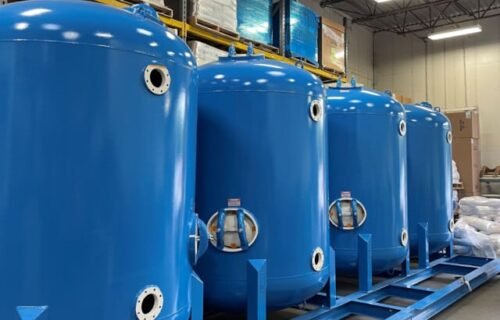
If you’re dealing with hard water, unpleasant odors, sediment, or other concerns across multiple fixtures, a broader approach may make more sense. Whole house water treatment is designed to address water as it enters the property, depending on the equipment selected and the specific water concerns.
This means treated water can be available at showers, bathroom sinks, laundry areas, and other points around the house.
Of course, not every home needs a whole-house system. If your only concern is drinking water, installing treatment equipment for the entire property could be unnecessary. Again, it comes down to the problem you’re actually trying to solve.
Hard Water Is a Separate Conversation
Hard water deserves attention because it behaves differently from many other water-quality concerns.
Calcium and magnesium can create scale on faucets, showerheads, dishes, and appliances. Over time, that buildup can become a nuisance. Soap may lather poorly, laundry can feel different, and water heaters may accumulate mineral deposits.
A water softener is often used when hardness is the primary concern. Unlike a drinking-water filter, its job isn’t mainly about making water taste better. It’s about managing the minerals responsible for hardness.
Understanding this distinction can save homeowners from expecting one piece of equipment to do everything.
Don’t Forget About Maintenance
Even a good water treatment system needs some attention. Filters have to be replaced, membranes may require maintenance, and other components can need periodic inspection.
Skipping maintenance is an easy mistake. Life gets busy, and equipment tucked under a sink or in a utility area isn’t exactly something you stare at every morning.
Still, a reminder on your phone or calendar can help. Follow the manufacturer’s maintenance recommendations and watch for changes in water taste, pressure, odor, or appearance.
If the water suddenly seems different, investigate rather than simply assuming the system is working normally.
Choosing the Right System for Your Home
There isn’t a single water treatment system that is perfect for everyone. A family using municipal water may have completely different needs from someone relying on a private well.
Household size matters. So does water usage, plumbing layout, existing equipment, and the specific contaminants or minerals present.
The best approach is usually straightforward: test the water, identify the main concern, compare suitable technologies, and then choose a system that fits both the problem and the household budget.
You don’t need to buy every available technology. In fact, adding unnecessary equipment can make maintenance more complicated without providing meaningful benefits.
Better Water Is a Practical Investment
Good water treatment isn’t about making life fancy. It’s about making something you use every day work better for you.
Maybe that means better-tasting water from the kitchen tap. Maybe it means addressing a specific contaminant. Or perhaps the bigger goal is improving water quality throughout the entire house.
Whatever the reason, start with information rather than assumptions. Once you understand your water, the choices become much clearer.
Clean, reliable water is one of those everyday comforts that’s easy to overlook. But when you find a solution that genuinely fits your home, you notice the difference—and that’s really the point.