The Simple Guide to Choosing Better Water Solutions for Your Home and Workplace
Water is easy to take for granted. Turn on the tap, fill a glass, and move on with the day. But when the water starts leaving spots on dishes, tastes a little strange, or causes scale around faucets, you quickly realize how much you depend on it. Good water treatment isn’t just about making water look cleaner. It can make everyday life more comfortable while helping protect plumbing, appliances, and the people using the water.
The challenge is figuring out what kind of treatment actually makes sense. Every property has different water conditions, usage patterns, and priorities. A family living in a small home doesn’t necessarily need the same equipment as a busy office, restaurant, or commercial building.
Start With the Water You Actually Have
Before choosing any treatment system, it helps to understand the water coming into the property. Clear water isn’t automatically problem-free. Dissolved minerals, chlorine, sediment, unpleasant odors, and other substances may not be visible at all.
Water testing is therefore a smart first step. It provides useful information about hardness, pH, dissolved solids, and other characteristics that can influence which treatment method is appropriate.
This sounds a little technical, but it doesn’t have to be. Think of it like checking the oil in your car before replacing an engine. You want to know what’s happening before spending money on a solution.
Why Whole-Property Treatment Can Make Sense
Many people focus only on the water they drink. That’s understandable, but drinking water is only a small part of household water use. Water also runs through showers, washing machines, dishwashers, toilets, water heaters, and other plumbing fixtures.
A properly designed whole home water treatment system addresses water quality throughout the property rather than treating just one faucet. Depending on the water conditions, a whole-home setup might combine sediment filtration, carbon filtration, softening, or other treatment technologies.
The advantage is convenience. Instead of wondering whether the water from each tap has been treated, the treatment happens before the water reaches the various points of use.
Hard Water Can Be More Than an Annoyance
Hard water is one of the most common water-quality concerns in homes. Calcium and magnesium can create scale that slowly collects inside pipes and appliances. You may also notice mineral spots on glassware or a stubborn film around bathroom fixtures.
Over time, that buildup can become frustrating. Nobody enjoys scrubbing a shower door every few days, especially when the spots seem to come right back.
Water softening can reduce hardness and help limit scale formation. It may also make soap and detergents work more effectively. The difference isn’t always dramatic on the first day, but households often notice it after living with treated water for a while.
A Practical Option for Modern Workplaces
Offices have a different relationship with drinking water. Employees may fill bottles throughout the day, visitors may expect convenient access to fresh water, and businesses often want to reduce the amount of plastic waste generated by disposable bottles.
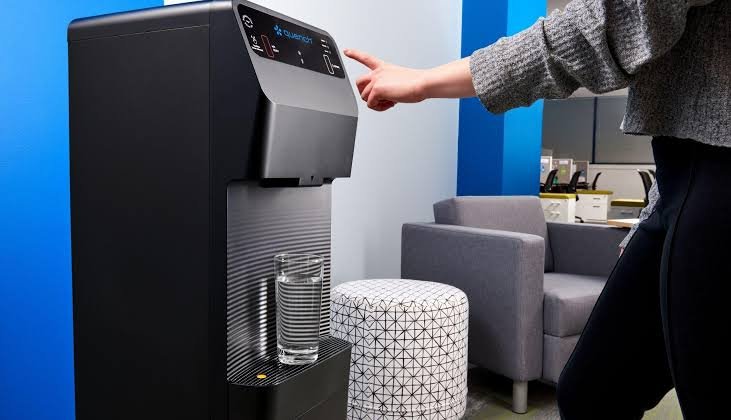
That’s one reason bottleless water coolers & dispensers have become an appealing workplace option. These units connect directly to a water supply and use filtration to provide drinking water without requiring deliveries of large bottled-water containers.
There are practical benefits beyond convenience. Storage space can be reduced, employees don’t have to lift heavy water bottles, and businesses can potentially cut down on disposable plastic use. For a busy office, those little improvements add up.
Not Every Water Problem Needs the Same Filter
It’s tempting to think that one filter can solve everything. Unfortunately, water treatment doesn’t quite work that way.
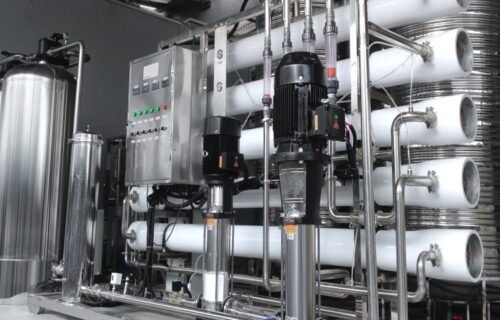
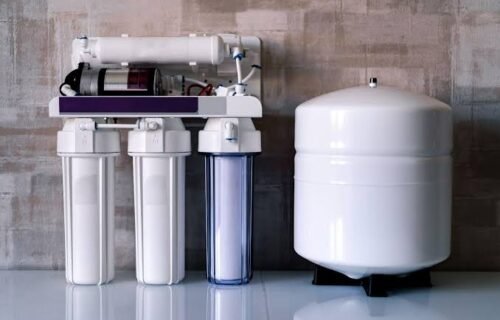
Different contaminants and water characteristics require different approaches. Sediment filters are useful for particles, while activated carbon can help improve taste and reduce certain chemicals. Softening addresses hardness, while reverse osmosis can reduce many dissolved substances.
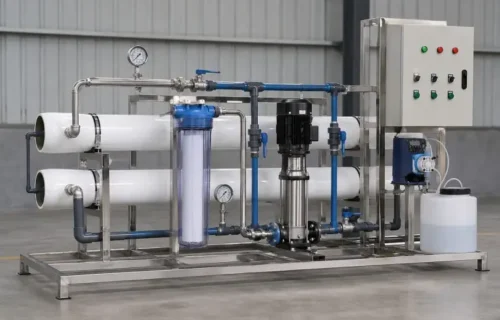
For unusual or particularly specific water concerns, specialty filtration may be the better route. These systems are generally selected according to a particular contaminant or application rather than using a one-size-fits-all design.
That distinction matters. The goal isn’t to remove absolutely everything from water. It’s to address the substances that actually need attention while keeping the system practical and cost-effective.
Maintenance Shouldn’t Be an Afterthought
Even a high-quality treatment system needs regular care. Filters have a limited service life, membranes eventually need replacement, and mechanical components can wear over time.
Skipping maintenance is a false economy. A neglected filter may become less effective, restrict water flow, or affect the quality of the water coming through the system.
Fortunately, maintenance is usually straightforward. Follow the manufacturer’s replacement schedule, keep an eye on changes in taste or pressure, and have the equipment inspected when necessary. A few minutes of attention can prevent much bigger headaches later.
Think About Long-Term Value
When comparing water treatment options, the initial price is only one part of the picture. Replacement filters, electricity or water usage, installation, servicing, and expected equipment life can all affect the total cost.
It’s also worth considering how much water the property uses. A small household and a busy commercial facility have very different demands. Choosing equipment that’s too small can create performance problems, while buying a system that’s unnecessarily large can waste money.
A reputable water treatment professional should be able to explain the reasoning behind a recommendation. If someone can’t clearly tell you what a system is designed to remove or why it’s appropriate for your water, that’s probably a sign to slow down and ask more questions.
Better Water Is Really About Better Everyday Living
Water treatment doesn’t have to be complicated or intimidating. The best systems are often the ones that quietly solve a problem and then become part of the background of daily life.
Start with testing. Understand what is actually in your water. Think about how the property uses water, whether that’s for drinking, bathing, cleaning, appliances, or business operations. Then choose treatment equipment based on those needs rather than chasing the newest technology or the biggest system.
In the end, better water isn’t about having a complicated setup under the sink or in the utility room. It’s about confidence. You turn on the tap and know the water is being treated appropriately. That’s a small thing, perhaps, but it’s the kind of small thing that makes a home or workplace feel a little better every single day.