What Your Water Is Telling You: A Practical Guide to Better Home Water Quality
Water is one of those things we tend to take for granted. Turn on the tap, fill a glass, take a shower, wash the dishes — it’s just there. But when the water starts leaving white spots on your faucets, smelling a little strange, or making your skin feel unusually dry, you suddenly start paying attention.
Good household water quality isn’t only about taste. It can affect plumbing, appliances, cleaning, bathing, and everyday comfort. The tricky part is knowing what’s actually causing the problem. Sometimes the answer is simple. Other times, it takes a closer look.
Fortunately, homeowners don’t have to guess. A little testing, followed by the right treatment approach, can go a long way toward making household water cleaner and more enjoyable.
Start by Understanding the Water in Your Home
Before buying any treatment equipment, find out what’s actually in your water.
Municipal water and private well water can have very different characteristics. Even homes in the same neighborhood may experience differences because of plumbing materials, local conditions, or the source of the supply.
Common water concerns include hardness, chlorine, sediment, iron, unpleasant odors, unusual taste, and changes in pH. Some issues are mostly cosmetic, while others may require more careful attention.
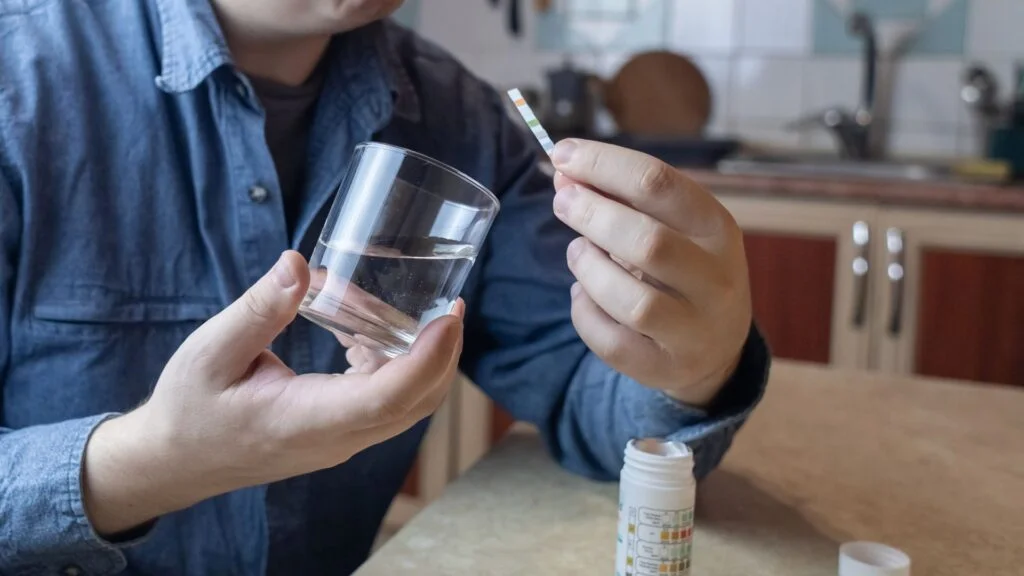
That’s why a free water test can be a useful starting point when it’s offered by a reputable provider. Instead of choosing equipment based on a guess or a flashy advertisement, you can use test results to understand which problems need attention.
It’s a bit like checking the engine before replacing car parts. You want to know what’s wrong first.
Hard Water Is a Common Household Headache
One of the most frequent water quality complaints is hard water. It happens when water contains elevated levels of naturally occurring minerals, particularly calcium and magnesium.
Hard water isn’t usually considered a health danger at typical household levels, but it can certainly be annoying.
You might notice mineral deposits around faucets and showerheads. Soap may not lather as easily. Glassware can come out of the dishwasher covered with cloudy spots. Over time, mineral scale can also accumulate inside water heaters and plumbing fixtures.
And then there’s laundry. Clothes washed in hard water may feel stiff or look dull, especially if the problem is significant.
These little frustrations can add up. What seems like a minor nuisance today can become an expensive maintenance issue if scale continues building inside appliances and pipes.
Choosing the Right Water Filtration Approach
Not every water problem requires the same type of treatment. That’s an important point, and one that’s sometimes overlooked.
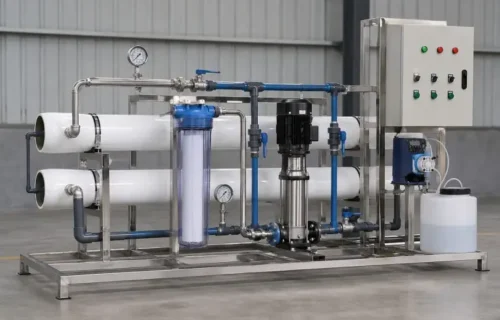
Modern water filtration systems are available in many forms, from simple point-of-use filters to larger whole-house installations. Some are designed to reduce sediment, chlorine, odors, or specific contaminants, while others combine several treatment technologies.
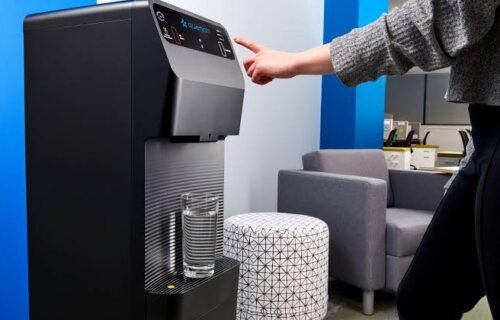
A kitchen filter may be perfectly suitable if your primary concern is drinking and cooking water. A whole-house system makes more sense when you want treated water throughout the property, including showers, laundry, and bathroom faucets.
The important thing is matching the technology to the problem. A filter designed to reduce chlorine isn’t necessarily the right answer for hard water. Likewise, a softener isn’t intended to remove every possible contaminant.
Reading product specifications is helpful, but professional guidance can make the decision much easier.
When a Water Softener Makes Sense
If testing confirms that hardness is the main concern, a softener may be worth considering.
Water softener systems are designed primarily to reduce hardness minerals through an ion-exchange process. In simple terms, they help prevent calcium and magnesium from causing the scale that homeowners often associate with hard water.
The benefits can be noticeable. Faucets may stay cleaner, soap can rinse more easily, and appliances that use heated water may have less scale buildup.
Still, softeners aren’t magic boxes. They need appropriate sizing, regular maintenance, and sometimes salt or other regeneration materials, depending on the system. Buying a unit that’s too small for the household can create unnecessary headaches.
It’s worth considering household water usage, the hardness level, available installation space, and ongoing maintenance before making a decision.
Don’t Forget About Drinking Water
Even when household water is acceptable for general use, some homeowners prefer additional treatment for drinking and cooking.
Taste and odor are often the biggest reasons. Chlorinated municipal water, for example, may have a noticeable smell or flavor that some people dislike. Sediment can also become an issue in certain supplies.
A properly selected filtration system can improve the sensory quality of drinking water and, depending on its certification and design, reduce specific substances.
However, it’s important not to assume that every filter removes everything. Look for systems tested or certified for the particular contaminant you’re concerned about. That’s much more useful than choosing a product simply because its packaging lists a long collection of features.
Maintenance Is Part of the Solution
Installing water treatment equipment is only half the job.
Filters eventually need replacing. Softener components need checking. Tanks and connections should be inspected periodically. Ignoring maintenance can reduce performance and, in some cases, create new water quality concerns.
Keep a simple maintenance schedule. Write down when filters were changed and note any changes in taste, smell, pressure, or water appearance.
If something suddenly seems different, don’t brush it off. A change in water quality can have a straightforward explanation, but it’s better to investigate than assume the system will fix itself.
Better Water Starts With Better Information
There’s no single “best” water treatment system for every home. A family with moderately hard municipal water may need something completely different from a household relying on a private well.
That’s why testing should come before equipment whenever possible. Understand the water, identify the actual problem, and then choose treatment based on evidence rather than guesswork.
Cleaner household water can make everyday routines a little easier — fewer stains, better-tasting drinking water, less scale, and potentially better protection for appliances. None of that requires turning your home into a laboratory.
Just pay attention to what your water is telling you. Test when needed, choose treatment carefully, and keep the equipment maintained. Sometimes the smartest home improvement is simply taking a closer look at something you’ve been using every day without thinking twice.