Choosing a Water Treatment System That Truly Fits Your Home
Good water is easy to take for granted. You turn on the tap, fill a glass, start the washing machine, and carry on with your day. But when water leaves spots on your dishes, dries out your skin, creates scale around faucets, or tastes a little strange, you suddenly start paying attention.
That’s where choosing the right water treatment solution becomes important. Not every household has the same water problems, and buying the biggest or most expensive system isn’t automatically the smartest choice. The right solution depends on your water quality, household size, plumbing setup, budget, and even how much maintenance you’re willing to handle.
A little research upfront can save plenty of frustration later.
Start by Understanding Your Water
Before choosing equipment, find out what you’re actually dealing with. Hardness is one of the most common concerns in residential water, particularly in areas where groundwater contains high levels of calcium and magnesium.
Hard water isn’t usually a dramatic problem. It’s more of a slow nuisance. You might notice cloudy shower doors, white deposits around faucets, stiff laundry, or soap that never seems to rinse completely. Over time, mineral buildup can also affect water heaters, pipes, and other appliances.
But hardness isn’t the only issue. Depending on the water source, homeowners may also encounter chlorine, sediment, iron, sulfur odors, unpleasant tastes, or other contaminants.
Testing your water helps turn vague concerns into specific information. Once you know the problem, choosing a solution becomes much easier.
Water Treatment Is About More Than Drinking Water
When people hear “water treatment,” they often think about the glass of water sitting beside them at dinner. That’s certainly important, but water quality affects almost every part of the house.
The water used for bathing, laundry, cleaning, and appliances can all be influenced by mineral content and other characteristics.
For example, hard water can make soap less effective and leave residue behind after showers. Mineral deposits can build up in fixtures and water-using appliances. If you’ve ever cleaned a stubborn ring around a faucet, you already know how annoying this can become.
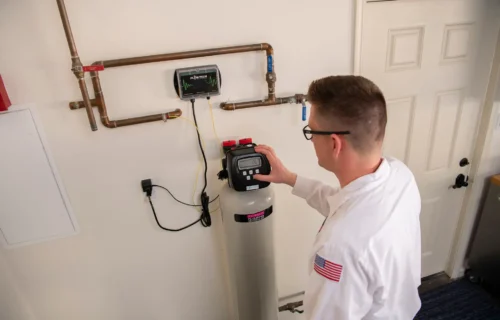
The right water treatment systems can address these issues at the source, depending on the specific water conditions. Some systems are designed for the whole home, while others focus on drinking and cooking water.
Choosing Between Different Treatment Options
There isn’t one universal treatment technology that works for every home.
A water softener is commonly used to reduce hardness by exchanging calcium and magnesium ions. Filtration systems can target sediment, chlorine, odors, and certain other substances. Reverse osmosis is another option often used for drinking water when specific dissolved contaminants are a concern.
Some households may need only one solution. Others benefit from a combination of technologies.
The important thing is to avoid buying equipment simply because it has a long list of features. More isn’t always better. A properly sized, well-maintained system designed around your actual water conditions can be far more useful than an oversized setup filled with features you’ll never need.
Think About Your Household Size
A system that works perfectly for a couple may not be the best fit for a family of six.
Water usage varies considerably. Morning showers, laundry, dishwashing, guests, and multiple bathrooms can put a surprising amount of demand on a treatment system.
Look at flow rate and capacity when comparing options. If the system can’t keep up during periods of heavy use, you may notice reduced performance at exactly the time you need it most.
It’s also worth thinking ahead. Maybe your household is small today, but you’re renovating, adding another bathroom, or planning to stay in the property for many years. Buying based only on today’s usage can sometimes mean replacing equipment sooner than expected.
Why Warranties Deserve More Attention
A warranty isn’t the most exciting part of shopping for home equipment, but it matters. A water treatment system is a long-term purchase, and problems can happen after the initial installation period.
When comparing manufacturers or providers, look carefully at what the warranty actually covers. Don’t stop at the phrase “lifetime warranty.” Read the details.
Ask questions such as:
- How long are parts covered?
- Is labor included?
- Are replacement components covered?
- Who handles warranty service?
- Are there maintenance requirements?
- Does the warranty transfer if you sell the home?
Some companies advertise what they consider the best warranties in the industry, but the fine print tells the real story. A strong warranty should provide meaningful protection rather than simply sounding impressive in a sales conversation.
Residential and Commercial Needs Are Different
Water treatment isn’t only a residential concern. Businesses, offices, restaurants, apartment buildings, manufacturing facilities, and other commercial properties can have very different water demands.
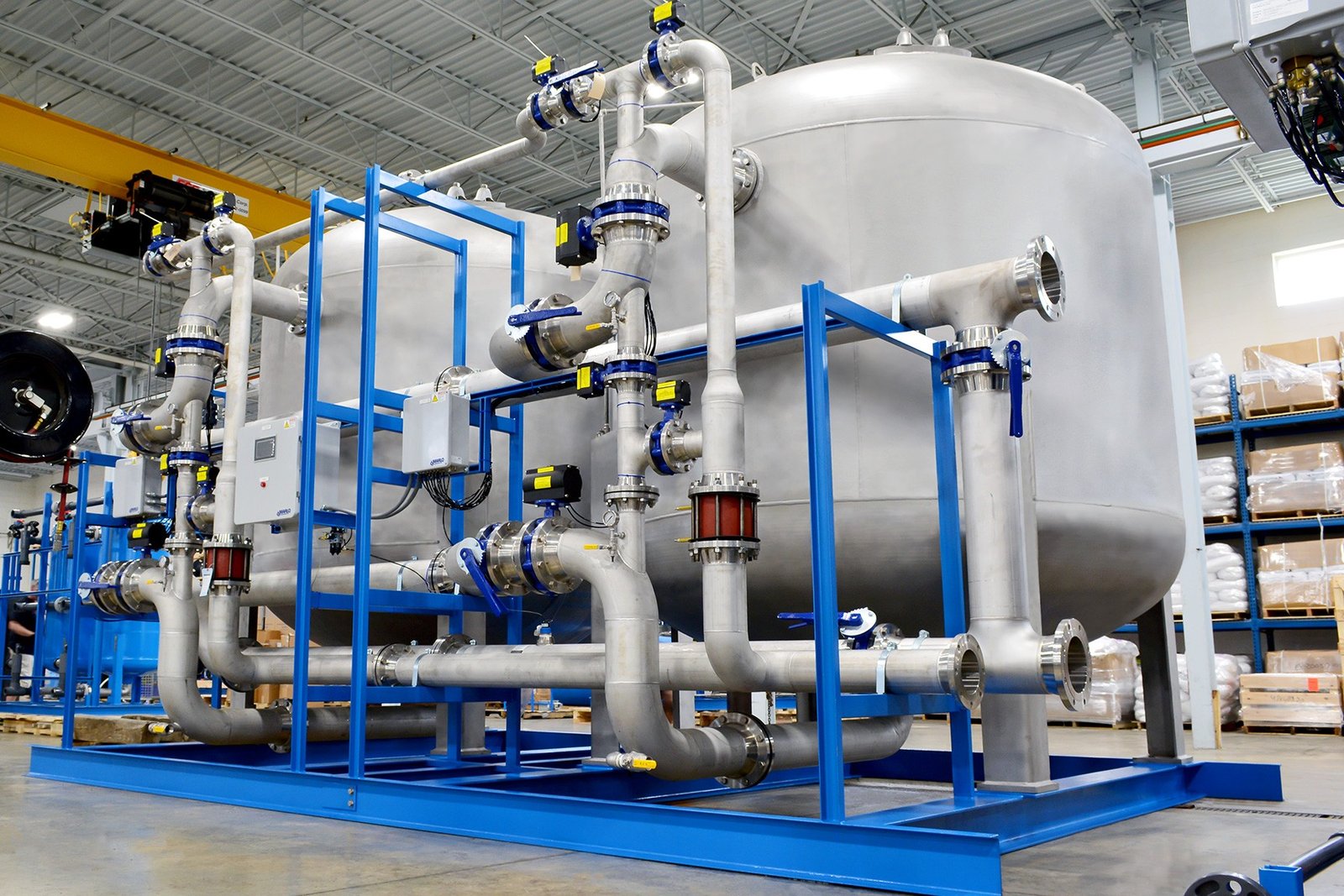
A commercial operation may use thousands of gallons of water every day. The treatment system therefore needs to be selected around flow rates, operating schedules, equipment requirements, and maintenance needs.
For homeowners and businesses alike, residential and commercial water softeners can help manage hard water when calcium and magnesium are causing operational or maintenance problems. However, commercial equipment typically needs to be sized and configured more carefully because the consequences of insufficient capacity can be much greater.
For example, a restaurant dealing with scale in its water-heating equipment can’t afford frequent downtime. A hotel has an entirely different usage pattern from a single-family home.
Don’t Forget About Maintenance
Even the best equipment isn’t completely hands-off.
Filters need replacement. Salt-based softeners need appropriate salt levels and periodic servicing. Some systems require sanitization or component checks. Ignoring these basic tasks can reduce performance and shorten equipment life.
The good news is that maintenance doesn’t have to be complicated. Ask the installer for a simple schedule and keep it somewhere you’ll actually remember to check it.
Also pay attention to changes in your water. If the taste, smell, pressure, or appearance suddenly changes, investigate rather than assuming the system will sort itself out.
Look Beyond the Initial Price
Price matters, but it’s only one part of the equation.
Consider installation costs, replacement filters, salt consumption, electricity requirements, servicing, warranty coverage, and expected lifespan. A system that costs slightly more upfront may be less expensive over several years if it’s efficient and easy to maintain.
Get the numbers in writing. A reputable provider should be comfortable explaining the full cost rather than focusing only on a promotional purchase price.
And don’t be afraid to get a second opinion. Water treatment is a technical purchase, but you don’t need to be a water-quality expert to ask sensible questions.
The Best System Is the One You Can Live With
Ultimately, choosing water treatment isn’t about finding the fanciest equipment on the market. It’s about finding a solution that fits your water, your home, your budget, and your everyday routine.
Start with a water test. Understand what needs to be treated. Compare technologies and warranties. Think about long-term maintenance, not just installation day.
And most importantly, choose a provider willing to explain the “why” behind their recommendation.
Good water treatment should make life easier, not more complicated. When the system is properly selected and maintained, it quietly does its job in the background—protecting your plumbing, improving everyday water quality, and giving you one less household problem to worry about.