Why Better Water Quality Can Make a Real Difference at Home
Water is part of almost everything we do. We drink it, cook with it, wash clothes in it, and use it every morning before the day really begins. Yet, despite how important it is, water quality often gets very little attention until something goes wrong.
Maybe your showerhead develops white buildup. Maybe your dishes come out cloudy. Or perhaps the water from the kitchen tap has a taste that makes you reach for a bottled alternative. These little signs can be easy to ignore, but they may be telling you something about the water flowing through your home.
Understanding your water and choosing the right treatment can make everyday routines noticeably better.
What Does Water Quality Really Mean?
Water quality isn’t simply about whether water looks clear in a glass. Clear water can still contain minerals, sediment, chlorine, or other substances that affect taste, smell, plumbing, and household appliances.
The actual water quality in a home depends on several things, including the local water source, plumbing infrastructure, and whether the property uses municipal or well water. That’s why there’s no single treatment system that works perfectly for every household.
A water test is often the most sensible starting point. Instead of guessing, homeowners can identify what is actually present and choose treatment based on real information.
The Everyday Benefits of Soft Water
Hard water is one of the most common water-quality concerns. It contains higher concentrations of minerals such as calcium and magnesium. While these minerals aren’t necessarily something homeowners can see floating in the glass, they can leave behind deposits throughout the house.
Over time, hard water may create scale on faucets, shower doors, and appliances. Soap can also become more difficult to rinse away, and laundry may feel less comfortable after repeated washing.
By contrast, soft water can help reduce mineral-related buildup. Many homeowners notice that soaps and shampoos lather more easily, glassware looks cleaner, and fixtures require less scrubbing. It’s one of those changes that might seem small at first, but after a few weeks you may wonder how you tolerated the old water.
Why Hard Water Can Be Tough on Appliances
Your washing machine and dishwasher aren’t the only things dealing with your home’s water. Water heaters, coffee makers, faucets, showerheads, and other equipment are exposed to it regularly.
Mineral deposits can accumulate inside water-using appliances and plumbing components. This buildup may eventually affect performance and increase maintenance needs.
A suitable treatment system can help manage these issues, particularly in areas where hard water is a persistent concern. Of course, treatment isn’t a substitute for regular appliance maintenance, but it can be a useful part of a broader home-care strategy.
Choosing a Water Treatment System
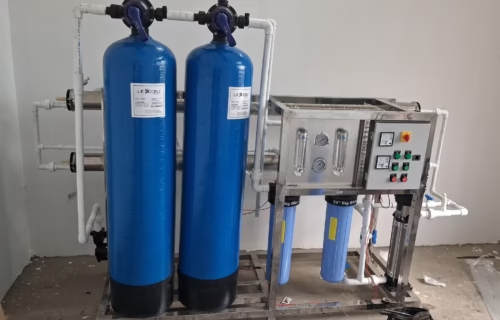
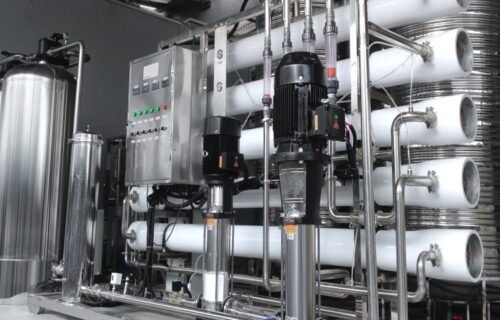
Shopping for water treatment equipment can feel confusing. There are filters, softeners, purification systems, reverse osmosis units, and other technologies, each designed to solve different problems.
The important thing is not to choose a system simply because it’s popular. First, understand your water.
If hardness is the main issue, a softener may be appropriate. If taste and odor are concerns, filtration could be more useful. If you’re dealing with a particular contaminant, you need a system designed specifically to address it.
In some homes, combining different treatment technologies may make sense. In others, a simple solution may be enough.
Experience Matters When Choosing a Provider
Water treatment is a long-term investment, so the company behind the equipment matters almost as much as the equipment itself. Look for a provider that explains the process clearly rather than pushing the most expensive system.
Experience can also provide reassurance. A company serving 10,000 satisfied customers has had opportunities to work with a wide range of household water situations, although customer numbers alone shouldn’t be the only factor you consider.
Pay attention to warranties, maintenance support, installation quality, and how willing the provider is to answer questions. Good service doesn’t end when the system is installed.
Look for Industry Knowledge and Standards
Another useful thing to consider is whether a water treatment professional understands established industry standards and practices.
Organizations such as the Water Quality Association provide education and industry resources related to residential and commercial water treatment. Looking for providers who demonstrate a strong understanding of water-quality principles can help homeowners make more informed decisions.
You don’t need to become a water-treatment expert yourself. But asking a few straightforward questions can reveal whether a provider is genuinely interested in solving your problem or simply making a sale.
Don’t Ignore Maintenance
Even the best water treatment system needs attention from time to time. Filters have to be replaced, equipment may require servicing, and certain systems need periodic checks to keep performing properly.
Skipping maintenance is tempting, especially when everything appears to be working normally. But water equipment operates quietly, so problems can sometimes go unnoticed until performance drops.
Keep track of filter replacement dates and follow the manufacturer’s maintenance recommendations. A little routine care can go a long way.
Better Water Starts With Better Decisions
Improving your home’s water quality doesn’t necessarily mean making a dramatic change overnight. Sometimes it begins with something as simple as testing the water and paying attention to the signs around your home.
Cleaner fixtures, better-tasting drinking water, easier cleaning, and properly functioning appliances can all contribute to a more comfortable household.
The key is choosing treatment based on your actual needs. Don’t follow trends blindly, and don’t assume the most expensive system is automatically the best one. Good water treatment is personal because every home’s water is a little different.
In the end, the goal is pretty straightforward: understand what’s in your water, address the problems that matter, and maintain your system properly. When you do that, better water becomes less of a luxury and more of an everyday part of a well-maintained home.