Making Your Home Ready for Every Season: A Practical Guide to Heating and HVAC Care
Your home has a funny way of reminding you when something needs attention. A room feels colder than the others. The air conditioner runs forever. Maybe you notice a strange sound coming from the system late at night. These things can seem small, but they often point to a heating or cooling system that needs a little care.
HVAC equipment works hard throughout the year, quietly keeping indoor temperatures comfortable while everyone gets on with their day. Because of that, regular maintenance, timely repairs, and sensible upgrades can make a bigger difference than many homeowners realize.
A Comfortable Home Starts With the Right System
Choosing heating and cooling equipment isn’t simply about picking a model with the highest number on the box. Your home’s size, insulation, layout, windows, ductwork, and everyday habits all matter.
A system that’s too small may struggle to keep up, while an oversized unit can cycle too frequently. Neither is particularly good for comfort or efficiency.
When replacing an older system, homeowners should think beyond the initial purchase price. Energy use, expected lifespan, maintenance requirements, warranty coverage, and installation quality can all affect the real cost over the years.
Why Proper Heating Installation Matters
A new heating system can be an excellent investment, especially when an older unit has become unreliable or expensive to operate. But even the best equipment won’t perform properly if it’s installed poorly.
Professional heating installation involves more than connecting a new unit and switching it on. The equipment needs to be correctly sized, positioned, connected, and tested. Airflow and safety checks are also important.
It’s tempting to focus entirely on the equipment itself because that’s what you see on the invoice. Still, installation quality can have a huge effect on how well the system performs.
Don’t Wait Until the First Cold Night
One common mistake homeowners make is waiting until winter arrives before checking their heating system. That’s when technicians are often busiest, and a small issue can suddenly become a very inconvenient problem.
A preseason inspection gives you an opportunity to catch worn components, airflow restrictions, thermostat problems, and other concerns before the system is working around the clock.
Even something as simple as a dirty filter can make the system work harder. Over time, that extra strain may affect efficiency and equipment life.
Your Air Conditioner Needs Attention Too
Heating may get most of the attention during colder weather, but your cooling system deserves the same level of care when summer approaches.
If your AC takes too long to cool the house, produces unusual noises, leaks water, or struggles to maintain the thermostat setting, don’t simply turn the temperature lower and hope for the best.
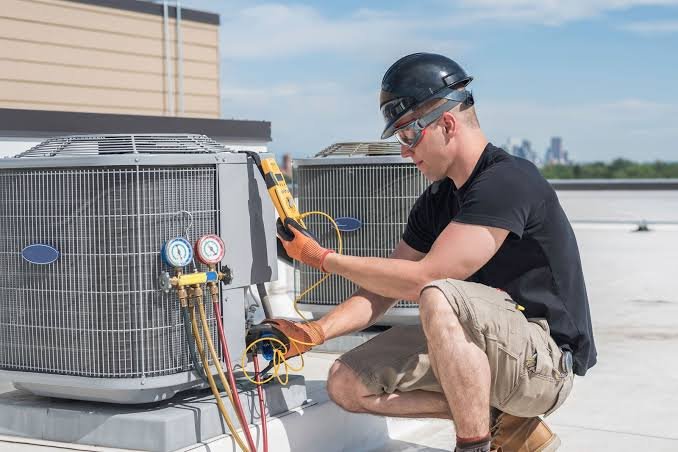
A professional inspection can identify problems before they become major repairs. Cleaning components, checking airflow, inspecting electrical connections, and looking for other issues can help the system operate more reliably.
And yes, replacing the filter still matters. It’s one of those little jobs that’s easy to forget.
Why Experienced HVAC Professionals Make a Difference
HVAC equipment has become increasingly sophisticated. Modern systems may include variable-speed technology, smart controls, advanced sensors, and energy-saving features that aren’t always straightforward to troubleshoot.
That’s where experienced hvac professionals can be especially valuable.
A trained technician can look beyond the obvious symptom and determine what’s actually causing the problem. A system that isn’t cooling properly, for example, might have an airflow issue rather than a problem with the compressor itself.
Professional diagnosis can prevent homeowners from paying for unnecessary parts or temporary fixes that don’t solve the underlying issue.
Think About Efficiency Beyond the Thermostat
It’s easy to assume that lowering or raising the thermostat is the main way to control energy costs. In reality, your home’s envelope plays a major role too.
Poor insulation, leaky ducts, old windows, and gaps around doors can allow conditioned air to escape. The HVAC system then has to work harder to maintain the desired temperature.
Sealing obvious drafts, improving insulation where needed, keeping vents open, and using a programmable or smart thermostat can all contribute to better efficiency.
Sometimes the smartest HVAC improvement isn’t buying another machine. It’s stopping the energy you’re already paying for from disappearing through cracks and leaks.
Regional Weather Can Change Your HVAC Needs
Climate has a major influence on heating and cooling requirements. Homes in the tri-state area, for example, may experience significant seasonal changes, meaning HVAC equipment has to cope with both hot summers and cold winters.
That makes year-round maintenance particularly important. A system that performs well in July still needs to be ready for January.
Homeowners should consider local weather patterns when choosing equipment, scheduling maintenance, and planning upgrades. What works perfectly in a mild climate may not be ideal where temperatures swing dramatically throughout the year.
Small Maintenance Habits Can Prevent Big Headaches
You don’t need to become an HVAC technician to take better care of your system. Start with the basics.
Replace filters according to the manufacturer’s recommendations. Keep outdoor equipment free from leaves, grass, and debris. Pay attention to unusual noises, smells, or changes in performance. Make sure vents aren’t blocked by furniture or other household items.
And when something genuinely seems wrong, don’t ignore it for months.
A small repair today is often easier—and less expensive—than an emergency repair later.
Comfort Is an Ongoing Investment
Heating and cooling systems aren’t particularly glamorous. Most people don’t think about them until something stops working. Yet they play a huge role in everyday life, from comfortable mornings to peaceful nights.
Taking care of your HVAC system isn’t about chasing perfection. It’s about being sensible. Schedule maintenance, address warning signs, choose equipment carefully, and make sure important work is handled properly.
A little attention now can mean fewer surprises later. And when the weather turns extreme, you’ll be glad your home is ready for it.