Understanding Water Problems and Finding the Right Solutions
Water is one of those things we tend to take for granted. Turn on the tap, fill a glass, take a shower — done. But when the water starts smelling strange, leaves chalky marks behind, or tastes noticeably different, it becomes hard to ignore. Suddenly, something that seemed ordinary is taking up a surprising amount of attention.
The reality is that water quality can vary from one property to another. A home supplied by a private well may have completely different concerns than a city-connected house, while a restaurant, office, or manufacturing facility may face its own set of challenges. Understanding those differences is the first step toward choosing a practical treatment approach.
Why Water Quality Deserves More Attention
Not every water problem is immediately obvious. Some issues show themselves through cloudy water, staining, scale, or an unpleasant odor. Others may be less noticeable and only become apparent through professional testing.
Common concerns can include hard water, sediment, iron, chlorine, unusual taste, and changes in pH. Hard water, for example, can gradually leave mineral deposits inside plumbing and appliances. You might see white buildup around faucets or notice that soap doesn’t lather quite as easily as it used to.
These water issues aren’t always emergencies, but ignoring them for years isn’t a great idea either. Small problems can become expensive maintenance headaches when they affect water heaters, washing machines, dishwashers, pipes, or fixtures.
Start by Finding Out What’s Actually in the Water
Before purchasing a treatment system, it’s tempting to jump straight into comparing brands and features. That’s understandable, especially when advertisements make every system sound like the answer to everything.
But water treatment works best when it starts with information.
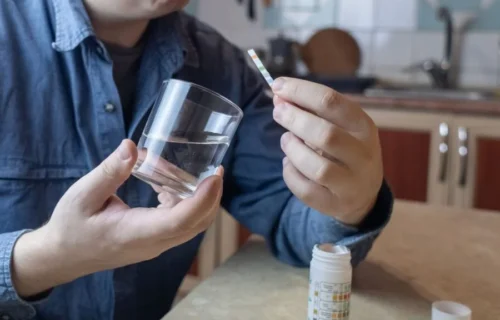
A professional water analysis can help identify the specific characteristics of your supply. Depending on the property, testing may look at hardness, pH, iron, manganese, chlorine, sediment, total dissolved solids, and other factors.
Once you know what you’re dealing with, the decision becomes much easier. Instead of paying for equipment you may not need, you can focus on technology designed for your particular water conditions.
And honestly, that can save both money and frustration.
Choosing Water Treatment for a Home
Residential properties have their own priorities. A family may want better-tasting drinking water, softer water for showers and laundry, or protection for expensive household appliances.
Some homeowners only need filtration at a kitchen faucet. Others may benefit from a water softener or a whole-home filtration system. The right choice depends on the source and quality of the water, along with the family’s daily habits.
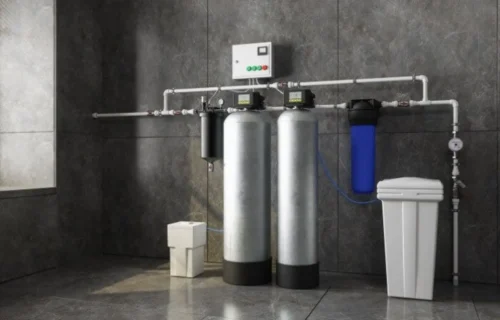
Modern residential water solutions can range from relatively simple filters to more comprehensive treatment systems. Reverse osmosis systems, for example, are often used for drinking and cooking water, while softeners are commonly selected to reduce hardness throughout the plumbing system.
It’s not about installing the biggest system available. It’s about installing the system that makes sense for the home.
What About Businesses and Commercial Properties?
Water becomes even more complicated in a commercial environment. A small office doesn’t use water in quite the same way as a hotel, restaurant, school, healthcare facility, or manufacturing plant.
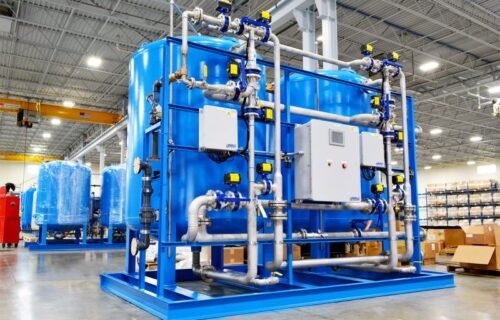
Businesses may have higher water consumption, specialized equipment, strict operational requirements, or specific quality standards to consider. Scale can damage commercial water heaters and equipment, while poor water quality can affect cleaning, food preparation, production, and customer experience.
That’s why commercial water solutions are often designed around the property’s actual water usage and operational demands.
For example, a restaurant may prioritize consistent water quality for cooking and cleaning. A hotel might be more concerned about protecting boilers, laundry equipment, and guest facilities. An industrial operation could require highly specialized filtration or conditioning based on its processes.
One size definitely doesn’t fit all.
Soft Water, Filtered Water, and Purified Water Aren’t the Same
There’s a little confusion around water treatment terminology, and it’s easy to see why.
Water softeners are primarily designed to address hardness minerals such as calcium and magnesium. Filtration systems can target sediment, chlorine, odors, and other specific concerns depending on the filter technology. Reverse osmosis systems use a membrane-based process to reduce many dissolved substances from water.
These systems aren’t interchangeable.
A homeowner dealing with scale may need softening, while someone concerned about drinking-water taste may be better served by filtration. In some cases, combining technologies makes sense.
The key is knowing what each system is actually designed to accomplish rather than assuming “filtered” automatically means “everything removed.”
Maintenance Is Part of the Deal
A water treatment system isn’t something you install and forget about forever. Filters need replacing, salt-based systems require regular salt replenishment, and certain equipment benefits from periodic inspections or servicing.
Maintenance isn’t necessarily difficult, but it should be part of your original budget.
When comparing systems, ask about replacement filter prices, expected service intervals, warranty coverage, and installation requirements. A system with a low purchase price can become less attractive if its ongoing maintenance costs are unusually high.
On the other hand, paying a little more for dependable equipment and straightforward servicing can make sense over the long run.
Think About the Long-Term Benefits
Good water treatment isn’t only about how the water looks in a glass. It can also influence the way a property