A Practical Guide to Choosing Better Drinking Water for Your Home
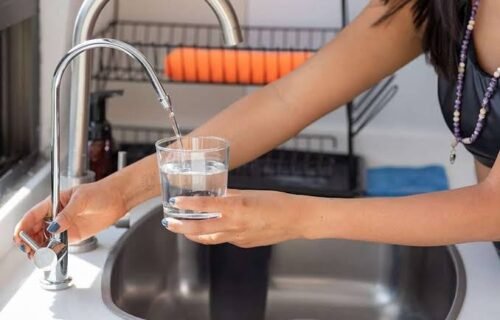
There’s something comforting about turning on the kitchen faucet and trusting the water that comes out. We use it for coffee, cooking, filling bottles, washing fruit, and probably a dozen other little things without giving it much thought. But when taste, odor, or water quality becomes a concern, suddenly that simple glass of water doesn’t feel quite so simple.
Fortunately, homeowners have several treatment options today. The trick is knowing what each system actually does and choosing one based on your household’s water rather than buying equipment just because it sounds impressive.
Start by Understanding Your Water
Before choosing a treatment system, it helps to know what you’re trying to fix. Water can contain minerals, sediment, chlorine, dissolved solids, or microorganisms, depending on its source and local conditions.
A water test can provide a useful starting point. It may measure factors such as hardness, pH, total dissolved solids, and other characteristics. Without this information, homeowners sometimes end up treating problems they don’t actually have.
Think of it like taking your car to a mechanic. You’d want someone to diagnose the strange noise before replacing half the engine.
When Reverse Osmosis Makes Sense
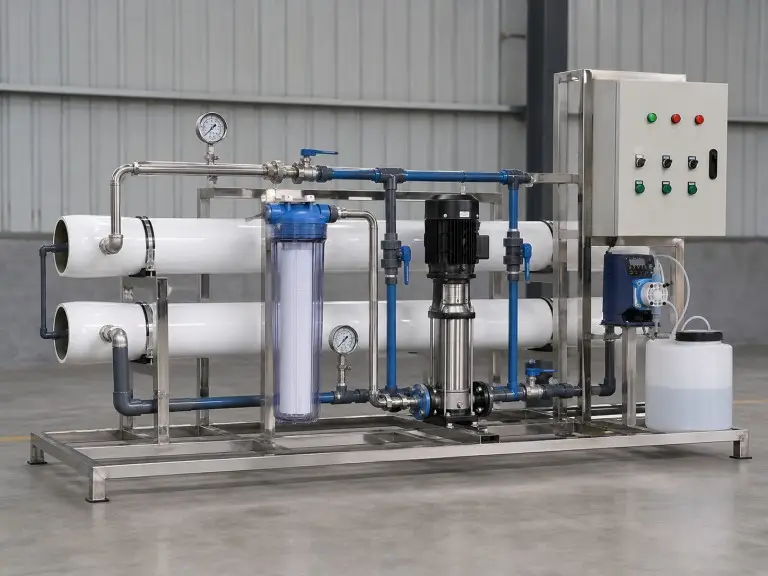
For households looking to improve the quality of drinking and cooking water, reverse osmosis drinking water systems are a popular option. These systems use a semipermeable membrane along with filtration stages to reduce many dissolved substances from water.
Reverse osmosis is commonly installed at a kitchen sink or another point where drinking water is needed. Depending on the specific system and incoming water, it can help reduce certain dissolved solids and impurities.
There is, however, more to choosing an RO system than buying the first unit you see online. Membrane quality, pre-filtration, storage capacity, water pressure, and replacement-filter costs all deserve attention.
Why Filtration Stages Matter
A reverse osmosis system often works as a team rather than relying on a single component. Sediment filtration can help capture particles, while carbon filtration may improve taste and reduce certain chemicals. The RO membrane then performs another level of treatment.
This layered approach is useful because different filtration stages have different jobs. One component doesn’t have to do everything.
Maintenance matters, too. Filters eventually become loaded with contaminants and need replacement. Ignoring maintenance can reduce performance and, in some cases, affect water quality. It’s one of those chores that isn’t exciting, but it’s worth doing.
The Role of UV Purification
Not every water concern is about minerals or dissolved substances. Microbiological concerns require a different approach, which is where uv purification can become useful.
Ultraviolet systems use UV light to inactivate certain microorganisms as water passes through the treatment chamber. They don’t work in exactly the same way as conventional filters, and they generally don’t remove dissolved minerals or improve hardness.
That distinction is important. A homeowner shouldn’t expect UV treatment to solve every water-quality problem. In some situations, it can be part of a broader treatment setup rather than a standalone answer.
Proper system sizing and maintenance are also important. UV lamps and components need attention according to the manufacturer’s recommendations, and the water reaching the UV chamber should generally be appropriately treated for the system to work effectively.
Don’t Ignore Water pH
pH is another piece of the puzzle that sometimes gets overlooked. It describes how acidic or alkaline water is on the pH scale. Water chemistry can affect plumbing, taste, and the performance of certain treatment equipment.
Depending on test results, homeowners may consider ph balancing water filters to help address specific pH-related concerns. These systems can be designed to condition water toward a more desirable range while working with the rest of the home’s treatment setup.
But again, testing comes first. Adding a pH treatment system without understanding the underlying water chemistry can create more confusion than solutions.
Combining Different Technologies
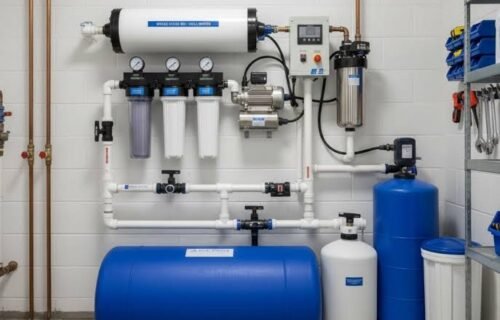
One of the biggest advantages of modern water treatment is that systems can sometimes be combined. A home might use sediment and carbon filtration for incoming water, a softener for hardness, UV treatment for microbiological protection, and RO at the kitchen sink for drinking water.
That doesn’t mean every house needs all of these technologies. In fact, installing unnecessary equipment can make maintenance harder and increase costs.
The best setup is usually the simplest system capable of addressing the actual problems identified through testing.
Maintenance Is Part of the Deal
Water treatment equipment isn’t a set-it-and-forget-it purchase. Filters need changing. UV components require periodic attention. RO membranes have service intervals. Storage tanks, connections, and other parts may also need inspection.
Keeping up with maintenance helps protect your investment and gives the system a better chance of performing as intended.
It’s also a good idea to ask about replacement costs before purchasing. A system that looks inexpensive initially may become costly if its consumables are expensive or difficult to find.
Making a Smarter Water Treatment Decision
Choosing a home water treatment system doesn’t have to feel overwhelming. Start with a water test, identify the specific concerns, and then compare technologies based on what they’re designed to accomplish.
Reverse osmosis, UV treatment, pH conditioning, filtration, and softening all have different purposes. Understanding those differences can save money and prevent disappointment.
At the end of the day, good water treatment isn’t about owning the most complicated equipment. It’s about having water that suits your home, your routines, and your expectations. A little research upfront can go a long way—and once the right system is installed and maintained, clean, pleasant water becomes one less thing you have to worry about.