Understanding Your Home’s Water: From Free Testing to Better Everyday Solutions
Water has a funny way of becoming invisible in our lives. We turn on the tap, fill a glass, and carry on with the day. We rarely stop to wonder what’s actually in that water or how its quality might affect our plumbing, appliances, skin, and even the taste of our morning tea.
But water quality matters. Even water that looks crystal clear can contain excess minerals, sediment, chlorine, iron, or other substances that affect how it behaves in your home. The good news is that understanding your water doesn’t have to be complicated. A little testing and the right information can point you in the right direction.
Start by Knowing Your Water
Before buying any filtration or treatment equipment, take a moment to understand your water source. Municipal water and private well water can have very different characteristics. Even homes in the same neighborhood may experience differences because of plumbing, supply lines, or building infrastructure.
One of the easiest ways to begin is with a free water test. Depending on the provider and testing method, a basic test may offer insight into common concerns such as hardness, pH, chlorine, iron, and other water-quality factors.
Testing isn’t about creating unnecessary worry. In fact, it’s often the opposite. When you know what you’re dealing with, you can stop guessing and make a more sensible decision.
Hard Water Is More Than an Annoyance
If you’ve ever scrubbed stubborn white deposits from a faucet, you’ve probably met hard water.
Hard water contains dissolved minerals, particularly calcium and magnesium. While these minerals aren’t necessarily something you can see floating in your glass, they can leave scale behind on faucets, showerheads, tiles, and appliances. Soap may also struggle to rinse clean, leaving a dull film on bathroom surfaces.
Over time, mineral buildup can become a nuisance. Water heaters, washing machines, dishwashers, and coffee makers may all be affected by scale. Nobody enjoys cleaning something that seemed clean five minutes ago.
How Water Softeners Can Help
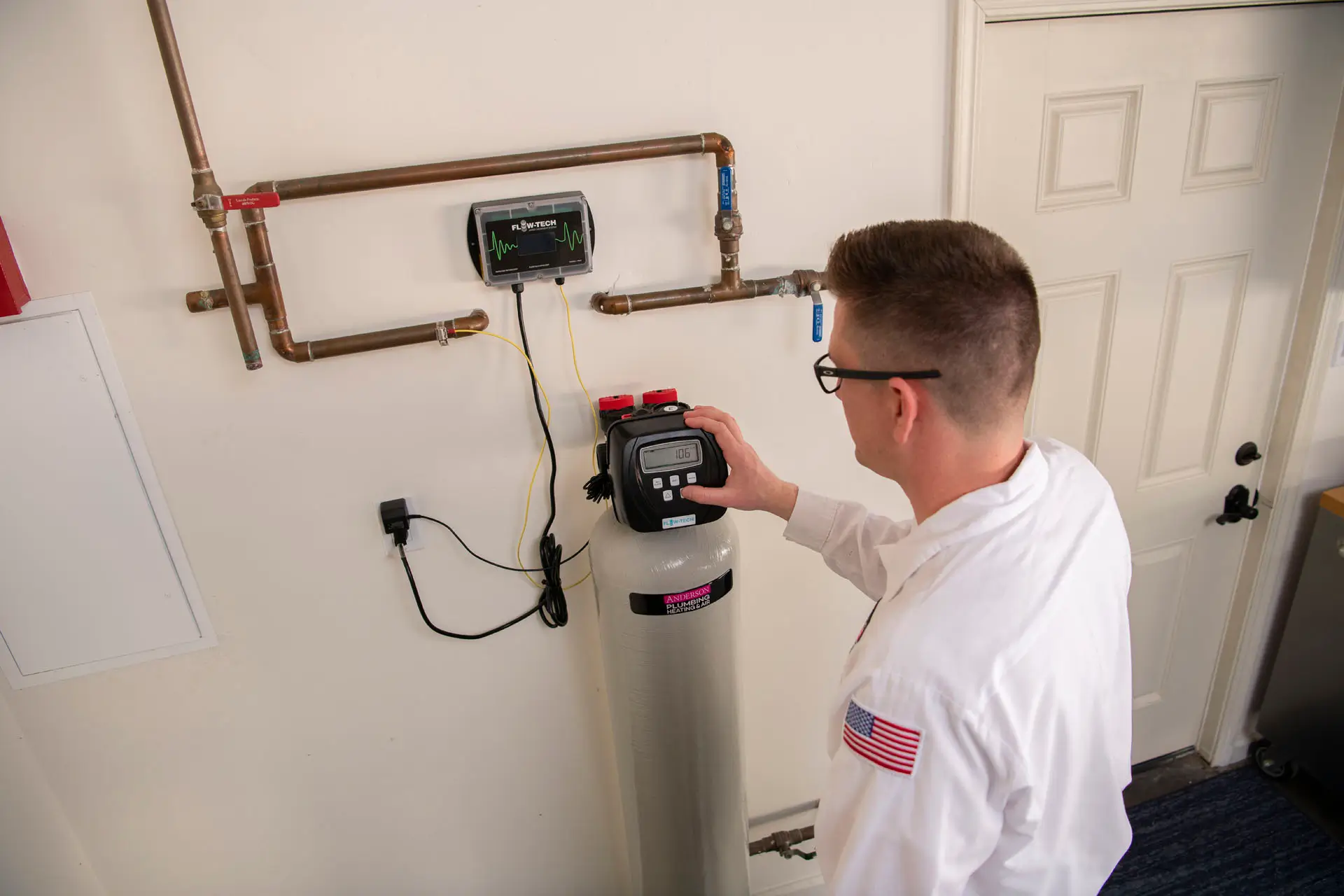
For households dealing primarily with hard water, water softeners can be an effective option. These systems are designed to reduce hardness minerals in the water before it travels through the home’s plumbing.
The result can be noticeable in everyday routines. Soap may lather more easily, dishes can have fewer mineral spots, and scale buildup may become less of a headache. Many homeowners also appreciate the difference when washing clothes or taking a shower.
However, choosing a softener isn’t simply a matter of picking the largest model available. Household size, water consumption, hardness level, installation space, and maintenance requirements all matter. A properly sized system is generally more practical than an oversized one.
What About Taste and Odor?
Hardness isn’t the only reason homeowners consider water treatment. Sometimes the issue is simply that the water doesn’t taste or smell pleasant.
Chlorine, for example, may give tap water a noticeable swimming-pool-like smell or taste. Sediment can affect appearance, while iron may cause staining or a metallic taste. These concerns may require a different type of filtration rather than a traditional softening system.
This is where understanding the actual problem becomes important. A filter designed for sediment isn’t necessarily the right answer for hardness, and a softener isn’t a universal solution for every water-quality concern.
Choosing Practical Home Water Solutions
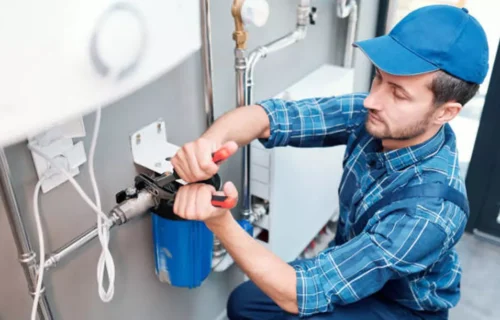
Modern home water solutions come in many forms, from simple under-sink filters to whole-house filtration systems and more advanced purification technologies.
Point-of-use systems are useful when your main concern is drinking and cooking water. Whole-house systems, on the other hand, treat water as it enters the property, making them more suitable when water-quality concerns affect multiple areas of the home.
Reverse osmosis systems are another popular choice for drinking water. They use multiple filtration stages and a membrane to reduce a range of dissolved substances. Again, the best choice depends on the water itself.
There’s no prize for having the most complicated system. The goal is better water, not a garage full of equipment.
Think About Your Daily Routine
A good water-treatment decision should fit naturally into your household routine.
Think about how much water your family uses. Consider whether you have children, pets, or older appliances. Do you notice scale around faucets? Are there stains in sinks or toilets? Does the water taste different at certain times? Are you constantly replacing filters?
These little clues can be surprisingly useful.
It’s also worth considering future needs. If your family is growing or you’re planning a kitchen renovation, it may make sense to think about water treatment before everything is installed. Planning ahead can make installation simpler and less disruptive.
Maintenance Is Part of the Deal
No water-treatment system should be treated as a “set it and forget it” appliance.
Filters need replacement. Softener systems require periodic attention. Reverse osmosis units may need membrane and filter changes. Ignoring these tasks can reduce performance and may lead to disappointing results.
Keep a simple maintenance schedule. Mark filter-change dates on your phone calendar, keep track of replacement parts, and follow the manufacturer’s recommendations. It doesn’t take much effort, but it can help the system work properly for longer.
Don’t Choose Based on Price Alone
Budget obviously matters, but the cheapest option isn’t always the most economical over time.
Consider installation expenses, replacement filters, electricity or water usage where applicable, maintenance, warranty coverage, and expected lifespan. A system with a slightly higher initial price may offer better value if it performs reliably and requires less frequent replacement.
Most importantly, avoid buying a treatment system based only on a sales claim. Look at test results and understand exactly what the equipment is designed to address.
Better Water Begins With Better Information
Water quality can seem like one of those household topics that gets pushed down the to-do list. Yet once you notice hard-water spots, unpleasant odors, or scale buildup, it’s difficult to ignore.
The smartest approach is surprisingly straightforward: test your water, understand the results, identify the actual concern, and then choose treatment that fits your home. Whether that means filtration, softening, purification, or simply making a few changes to your routine, informed decisions usually lead to better outcomes.
You don’t need to become a water-treatment expert overnight. Start small. Ask questions. Pay attention to what’s happening around your home.
Because when you understand the water coming through your tap, you’re in a much better position to make choices that keep your home comfortable, your appliances protected, and everyday life just a little easier.