Reverse Osmosis, Water Filtration, and Better Water Quality at Home
There’s something easy to overlook about the water coming out of a kitchen tap. It looks clear, it usually smells fine, and most of us simply assume it’s good to drink. But water can contain dissolved minerals, chlorine, sediment, metals, microorganisms, and other unwanted substances that aren’t visible to the naked eye. That’s where understanding your water—and choosing the right treatment—starts to matter.
For many households, improving drinking water isn’t about chasing the latest gadget. It’s about knowing what’s actually in the water and choosing a treatment method that fits the problem. water quality can vary significantly depending on where you live, whether your home uses municipal water or a private well, and even the condition of your plumbing.
Why Clear Water Isn’t Always Clean Water
One of the strangest things about drinking water is that some problems are completely invisible. Water may appear crystal clear while carrying excessive hardness minerals, dissolved metals, or chemical compounds.
Municipal water is treated before it reaches your home, which is an important safety measure. Still, treatment standards and local conditions vary. Older plumbing can also introduce contaminants after water leaves the treatment plant. Private wells have their own concerns, since groundwater can pick up naturally occurring minerals or contaminants from surrounding soil.
This doesn’t mean you should panic every time you fill a glass. Far from it. It simply means testing is smarter than guessing.
A basic water test can reveal information about hardness, pH, chlorine, iron, nitrates, and other characteristics. More comprehensive testing may be worthwhile if there’s a noticeable odor, unusual taste, staining, or a known contamination concern in the area.
How Reverse Osmosis Works
When people start researching drinking water treatment, reverse osmosis often comes up—and for good reason. It uses a semipermeable membrane to separate many dissolved substances from water.
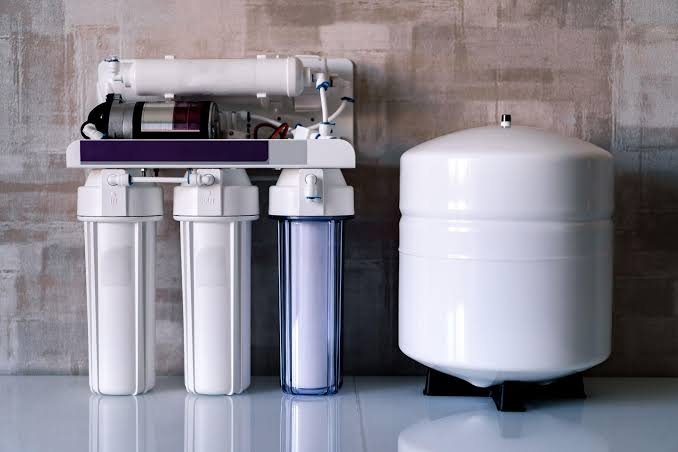
The process typically involves several stages. Water first passes through pre-filters that capture sediment and reduce substances such as chlorine, depending on the system. It then moves through the RO membrane, where pressure pushes water through while many dissolved contaminants are rejected. Additional filtration may be used afterward to improve taste.
The result is highly treated water, generally intended for drinking and cooking rather than every household fixture.
That distinction is important. A reverse osmosis system installed beneath the kitchen sink can be a practical point-of-use solution. There’s usually little reason to send highly purified water to a toilet, washing machine, or garden hose.
RO systems do have trade-offs. They require filter and membrane replacement, need proper installation, and can produce some wastewater during operation. A good system should be selected based on household water conditions, usage, and the contaminants you actually want to reduce.
Where Water Filtration Fits In
Not every water problem calls for an RO membrane. Sometimes a simpler approach makes more sense.
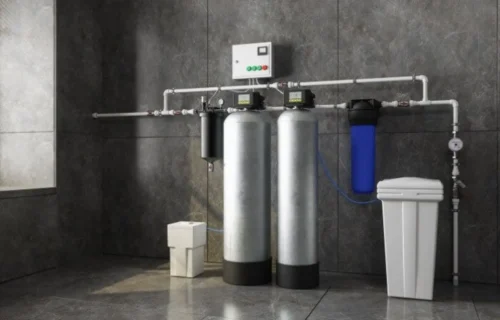
water filtration can refer to a wide range of treatment technologies. Sediment filters can remove particles such as sand and rust. Activated carbon filters are commonly used to improve taste and reduce chlorine and certain organic compounds. Specialized media can target iron, sulfur odors, hardness, or other specific concerns.
Think of it like choosing a tool from a toolbox. You wouldn’t use a hammer to tighten a screw just because it happens to be sitting nearby. Water treatment works much the same way.
If the main issue is chlorine taste, a carbon filter may be enough. If sediment is clogging faucets and appliances, a sediment filter could be the more sensible first step. If dissolved solids or particular contaminants are the concern, RO or another specialized technology may be appropriate.
The best system is rarely the one with the longest list of features. It’s the one designed around the actual water.
Hard Water Is a Different Problem
Hard water deserves special attention because it’s incredibly common. It contains elevated levels of calcium and magnesium, which can leave mineral deposits on faucets, shower doors, dishes, and appliances.
You may notice white spots on glassware or a crusty buildup around fixtures. Soap may also seem strangely difficult to rinse away. Over time, scale can accumulate inside water heaters, pipes, and other equipment.
A water softener is generally designed to address hardness. An RO system, meanwhile, is primarily used for treated drinking water and dissolved contaminant reduction. They aren’t interchangeable.
Some homes benefit from both: a whole-home softening system to manage hardness and a point-of-use RO system for drinking and cooking. It sounds like a lot at first, but the two systems can solve very different problems.
Don’t Ignore Taste, Odor, or Sudden Changes
Taste and smell aren’t perfect indicators of safety, but sudden changes should never be casually dismissed.
A rotten-egg smell, for example, may be associated with hydrogen sulfide. Metallic-tasting water can sometimes point toward iron or other plumbing-related issues. Cloudiness may indicate suspended particles or another water-quality concern.
Even when the cause turns out to be harmless, investigating the change is worthwhile. A professional water analysis can help identify whether the issue comes from the source water, household plumbing, or an existing treatment system.
And if your water suddenly changes after flooding, construction, plumbing work, or a major environmental event, testing becomes even more important.
Choosing the Right System for Your Home
Before buying a treatment system, start with a few basic questions:
- Where does your water come from?
- Has the water been professionally tested?
- Are you concerned about taste, hardness, sediment, or specific contaminants?
- Do you want treatment for drinking water or the entire home?
- How much water does your household use?
- What maintenance are you realistically willing to handle?
These questions can prevent an expensive mistake. A large whole-house system may be unnecessary for a simple drinking-water concern, while a small under-sink filter won’t solve widespread scale throughout the plumbing.
It’s also worth checking certification claims carefully. Look for systems tested to recognized standards for the specific contaminant reductions being advertised. “Advanced” or “premium” sounds impressive, but those words don’t tell you much by themselves.
Better Water Starts With Knowing What You Have
There’s no universal answer to better drinking water. One home may need sediment filtration. Another may need softening. Someone else may benefit from reverse osmosis at the kitchen sink.
The common thread is simple: test first, then treat.
Good water treatment isn’t about making water unnecessarily complicated. It’s about removing the things that shouldn’t be there while keeping the process practical for everyday life. Once you understand your source water and its particular challenges, choosing the right solution becomes much less mysterious.
And honestly, that’s the reassuring part. You don’t have to guess. With proper testing, sensible equipment, and regular maintenance, cleaner, better-tasting water can become a quiet part of your daily routine—the kind of improvement you notice mostly when you realize you no longer think about it.