Keeping Your Water Treatment System Working the Way It Should
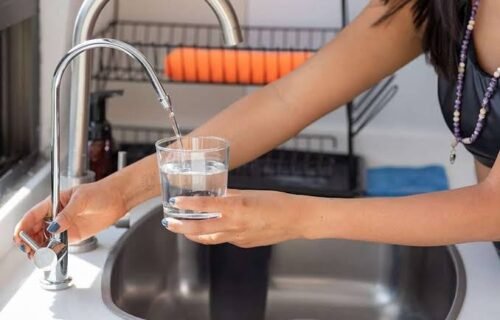
There’s something comforting about turning on a faucet and knowing the water coming out is safe, fresh, and dependable. We rarely stop to think about it. But when the water starts tasting different, pressure drops, or strange noises come from the treatment equipment, that comfort disappears pretty quickly.
Water treatment systems do a lot of work behind the scenes. They help remove unwanted minerals, sediment, odors, and other impurities, depending on the type of system installed. Like any household equipment, though, they need attention from time to time. A little maintenance can go a long way toward protecting water quality and avoiding bigger problems.
When Your Water Starts Telling You Something
One of the easiest ways to notice a water treatment problem is simply to pay attention to changes. Maybe your drinking water has developed an unusual taste. Perhaps there’s an odd smell when you turn on the kitchen tap, or white mineral deposits are appearing around sinks again.
These signs don’t always mean the treatment system has completely failed. Sometimes a filter needs replacing. A valve may not be operating correctly. The system could also be struggling because of buildup or a component that has reached the end of its useful life.
The important thing is not to ignore the change. Small issues have a funny way of becoming bigger ones when they’re left alone.
Why Professional Help Matters
Water treatment equipment can look fairly straightforward from the outside, but the inside is another story. Different systems use different filters, membranes, tanks, valves, controls, and connections. Guessing your way through a repair can create more trouble than it solves.
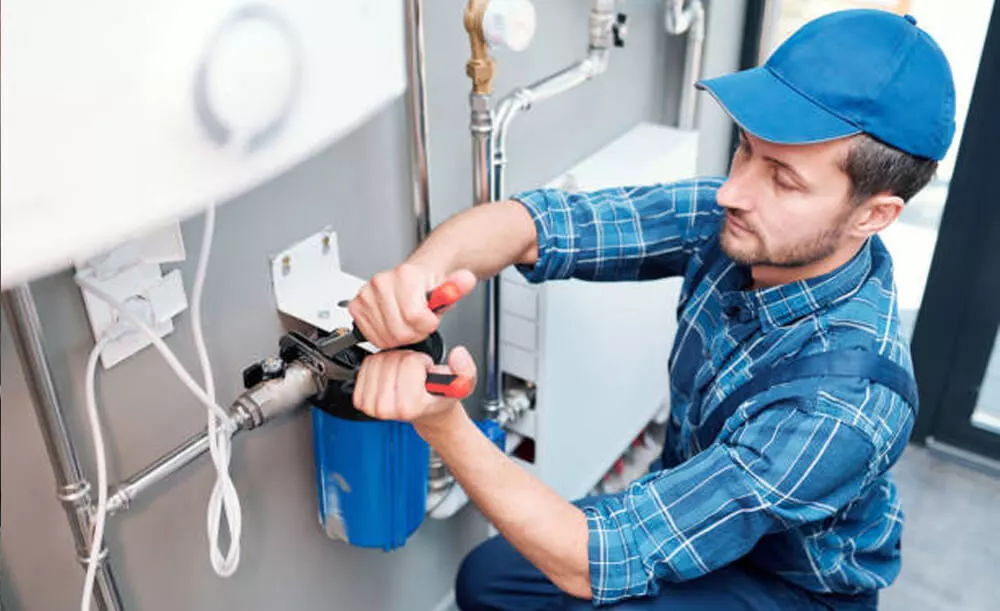
Working with licensed and insured technicians gives homeowners a safer way to handle repairs and maintenance. Experienced professionals can inspect the equipment, identify the actual cause of the problem, and recommend the appropriate fix instead of simply treating the most obvious symptom.
That matters especially when a system is connected directly to the home’s plumbing. A poorly handled repair can lead to leaks, pressure issues, or even damage to other components.
Protecting the Quality of Your Drinking Water
A water treatment system isn’t just another appliance sitting in the basement or utility room. Its main purpose is to improve the water your household uses every day.
When everything is functioning correctly, the result should be clean, high-quality water for drinking, cooking, cleaning, and other routine activities. If a system isn’t maintained properly, however, its performance can gradually decline.
Filters can become clogged. Membranes can lose efficiency. Mineral buildup can interfere with valves and other moving parts. Even a system that worked perfectly when it was installed can eventually need servicing.
Regular inspections help keep these problems from sneaking up on you.
Common Problems Homeowners Should Watch For
Different water treatment systems have different failure points, but a few problems appear fairly often.
A clogged filter can reduce water flow and make the system work harder. If water pressure suddenly changes, the filter may be worth checking.
Leaks are another obvious warning sign. A small drip around a connection might seem harmless, but water has a habit of finding its way into places where it shouldn’t be.
Unusual sounds deserve attention, too. Clicking, humming, rattling, or repeated cycling may indicate that a component isn’t operating normally.
Then there’s poor water quality itself. If the taste, smell, color, or feel of your water changes after you’ve had a treatment system installed, don’t simply assume it’s temporary. The system may need inspection or replacement parts.
Repair or Replace? That’s the Question
One of the most common homeowner dilemmas is deciding whether a treatment system should be repaired or replaced.
There isn’t one answer for every situation. A relatively new system with one worn-out valve might only need a straightforward repair. An older system with several failing components could be more expensive to keep alive than it’s worth.
A professional inspection can help make that decision easier. Ask about the age of the system, the condition of its major components, the availability of replacement parts, and the likely cost of future maintenance.
Sometimes spending a little money on a repair makes perfect sense. Other times, replacement is the more practical long-term choice. Either way, it’s better to make the decision based on facts rather than guesswork.
Don’t Forget About Routine Maintenance
Waiting until something breaks is rarely the best maintenance strategy. Water treatment systems benefit from regular attention, even when everything appears to be working normally.
Filter replacement schedules should be followed according to the manufacturer’s recommendations and actual water usage. Salt levels in applicable systems should also be checked regularly. Connections and visible components can be inspected for signs of leaks or corrosion.
Homeowners should also keep records of maintenance. It sounds a little boring, but knowing when a filter was replaced or when the system was last serviced can be surprisingly useful later.
And if you’re unsure about something, ask. There’s no prize for figuring out a plumbing component at midnight with a flashlight.
When Repair Becomes Urgent
Some problems shouldn’t wait for a convenient weekend.
A significant leak, sudden loss of water pressure, unusual contamination concerns, or a treatment system that stops functioning completely should be addressed promptly. Continuing to use damaged equipment can sometimes make the situation worse.
Professional water treatment system repair can restore proper operation while helping identify what caused the problem in the first place. That second part is important. Fixing a broken component without understanding why it failed may only postpone another breakdown.
A Little Attention Goes a Long Way
Good water quality doesn’t happen by accident. It comes from having the right treatment equipment, installing it correctly, and taking care of it over time.
For homeowners, the smartest approach is fairly simple: pay attention to changes, keep up with routine maintenance, and don’t ignore warning signs. If something seems unusual, getting professional advice early is usually easier than dealing with a major failure later.
Your water treatment system may not be the most exciting thing in the house, and honestly, that’s fine. The best systems are the ones you barely notice because they’re quietly doing their job. Keep them maintained, repair problems when they appear, and you can enjoy reliable water day after day without giving the equipment much thought.