Temporary Dumpsters: A Practical Solution for Cleaner, Easier Project Cleanup
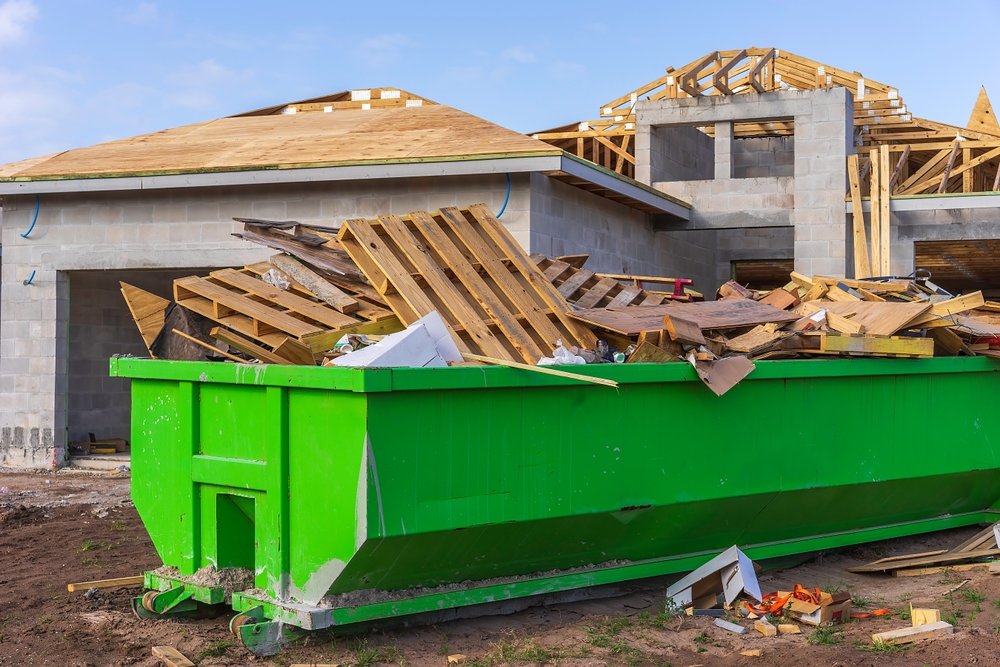
Starting a renovation, clearing out an old property, or managing a building project can feel exciting at first. Then the debris starts piling up. Broken drywall, old flooring, discarded cabinets, packaging, lumber, and general clutter can quickly turn a manageable job into a messy headache. That’s where temporary dumpsters can make a real difference.
Instead of making repeated trips to a landfill or trying to squeeze everything into a regular household trash bin, a dumpster gives you one convenient place to collect waste throughout the project. It’s a simple idea, but honestly, it can save a surprising amount of time and effort.
Why Dumpster Rentals Make Project Cleanup Easier
Waste management isn’t usually the most glamorous part of a renovation or construction job, but it matters. A cluttered work area can slow everyone down and make basic tasks harder. When debris has somewhere to go immediately, the entire site tends to feel more organized.
A rented dumpster can be placed close to the work area, allowing workers, contractors, or homeowners to dispose of unwanted materials as they go. There’s no need to keep building piles of debris in the driveway and worry about how you’ll eventually get rid of them.
It also reduces unnecessary trips. If you’ve ever loaded a vehicle with renovation waste only to discover there’s another mountain waiting inside the garage, you know how quickly the process becomes exhausting.
A Flexible Option for Residential and Commercial Work
One of the biggest advantages of dumpster rental is flexibility. Projects come in all shapes and sizes, and waste volumes can vary dramatically. A small bathroom renovation obviously won’t create the same amount of debris as a complete office renovation or major construction project.
That’s why dumpsters are useful for residential and commercial projects alike. Homeowners might need one while cleaning out a garage, remodeling a kitchen, replacing a roof, or preparing a property for sale. Businesses may use them during office renovations, retail remodeling, warehouse cleanouts, or building improvements.
The important thing is choosing a container that matches the job. Renting something too small can mean overflowing waste or needing another pickup. Going much larger than necessary, meanwhile, may simply add unnecessary expense.
Choosing the Right Dumpster Size
Dumpster sizes can be confusing if you haven’t rented one before. They’re generally described in cubic yards, and the best choice depends on both the type and amount of waste.
For smaller cleanouts, a compact dumpster may be enough. Medium-sized containers are often suitable for remodeling work, while larger options are better for substantial construction or property cleanouts.
A good rule of thumb is to think beyond what you’re throwing away today. Consider the entire project. If you’re replacing flooring throughout a house, for example, the amount of material may be much greater than it initially appears.
When in doubt, talk with the rental provider. Describing the project, the materials involved, and the estimated duration can help them recommend a practical size.
What Can You Put in a Dumpster?
Most ordinary renovation and household debris can usually go into a dumpster, including materials such as wood, drywall, furniture, carpeting, packaging, and general construction waste. However, not everything belongs there.
Hazardous chemicals, certain electronics, tires, batteries, paint, and other restricted materials may require specialized disposal. Rules also vary depending on the local waste facility and dumpster company.
Before loading your container, ask what is accepted. It takes only a few minutes, and it can prevent an unpleasant surprise later, especially if prohibited materials result in additional charges.
Keep Safety in Mind
A dumpster is convenient, but it shouldn’t become a free-for-all pile of waste. Heavy materials should be distributed evenly rather than dumped entirely on one side. Items shouldn’t stick dangerously out of the container, and the dumpster should never be overloaded beyond the provider’s guidelines.
Placement matters, too. Ideally, the container should sit on a stable, accessible surface where the delivery truck can safely drop it off and collect it later. Avoid blocking entrances, driveways, sidewalks, or access points that people need to use.
For larger construction sites, keeping debris contained can also help reduce tripping hazards and make the workplace easier to navigate.
Make Construction Cleanup Less Stressful
The final stage of a project often takes longer than expected. Once the major work is finished, there are still scraps, packaging, damaged materials, and leftover debris scattered around the site. Efficient construction cleanup helps bring the space back under control.
Having a dumpster available throughout the project means cleanup doesn’t have to wait until the very end. Workers can remove waste as they work, which keeps the site tidier and makes the final cleanup much less overwhelming.
There’s also a psychological benefit. A clean workspace simply feels better. When you can actually see the progress you’re making instead of staring at piles of debris, a long renovation starts to feel like it’s finally coming together.
Planning Your Rental Before the Project Starts
A little preparation can make dumpster rental much smoother. Think about when the work will begin, how long it’s expected to last, and approximately how much waste you’ll generate.
You’ll also want to consider where the dumpster will be placed. Measure the available space and make sure delivery access is clear. If the container needs to sit on a public street or another restricted area, check whether local permission or a permit is required.
It’s worth asking the rental company about delivery fees, pickup arrangements, rental periods, weight limits, and potential overage charges. A cheap advertised rate isn’t always the cheapest final price, so understanding the full terms matters.
The Convenience Is Often Worth It
At the end of the day, dumpster rental isn’t about making waste disappear magically. It’s about making the whole process more manageable. Whether you’re tackling a weekend home cleanout or coordinating a major building project, having a dedicated place for debris can keep things moving.
The right dumpster reduces unnecessary hauling, keeps work areas more organized, and gives you one less problem to think about while the actual work is underway. And when a project is already demanding enough, that little bit of convenience can go a long way.
A cleaner site, fewer trips, and a clearer plan for disposing of waste are practical wins. Sometimes, the simplest solution really is the one that makes the biggest difference.