Choosing the Right Water Treatment for a Healthier, More Comfortable Home
Water has a funny way of becoming invisible in our daily routines. We turn on a tap, fill a glass, take a shower, wash vegetables, and move on with the day. Most of the time, we don’t stop to think about what’s actually in that water. Then one morning you notice white marks around the faucet, a strange taste in your drinking water, or your skin feels unusually dry after a shower. Suddenly, water quality is not such a small thing anymore.
The good news is that homeowners have several options for improving water quality. The trick is understanding what your home actually needs instead of choosing a system simply because it sounds impressive.
Start by Understanding Your Water
Every home has a slightly different water story. Your supply may come from a municipal system, a private well, or another local source. Water can contain minerals, sediment, chlorine, or other substances that affect taste, smell, appearance, and the way it behaves around plumbing.
Hard water is particularly common. Calcium and magnesium can leave deposits on faucets, shower doors, dishes, and appliances. You may also notice that soap doesn’t lather as easily or that laundry feels a little rough after washing.
Before spending money on treatment equipment, it’s worth testing your water. A basic water test can tell you whether hardness, sediment, taste, odor, or another issue deserves attention. That information makes choosing a treatment system much less of a guessing game.
When a Salt-Free Approach Makes Sense
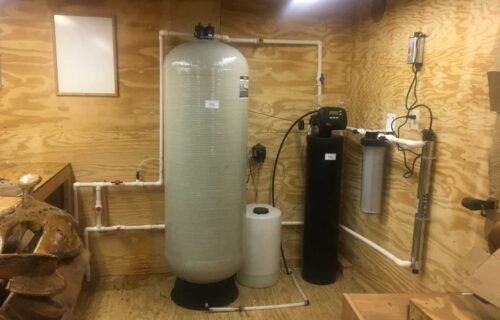
Not every household wants to use salt-based treatment. Some homeowners prefer an alternative that doesn’t rely on adding salt to the water treatment process. In those situations, a Go Natural Salt Free Conditioner with Whole House Filtration can be an appealing option to explore.
Salt-free conditioning is generally aimed at managing the effects of hard-water minerals rather than removing those minerals in the same way a traditional softener does. Pairing conditioning with whole-house filtration can also address other concerns, depending on the filter technology being used.
It’s important to understand the difference between softening and conditioning. They aren’t exactly the same thing, and a homeowner should choose based on the water chemistry, household priorities, and desired results.
Don’t Forget the Water You Drink
Whole-home treatment is useful, but drinking water deserves its own consideration. Even when the general household supply is acceptable, some families want an additional layer of treatment at the kitchen sink.
That’s where Drinking Water Systems can become useful. Depending on the technology, these systems may focus on improving taste, reducing certain contaminants, or providing more refined filtration for water used directly for drinking and cooking.
There are many types available, from simple under-sink filters to more advanced multi-stage systems. Reverse osmosis, carbon filtration, and other technologies each work differently. The best choice depends on what your water test shows and what you’re trying to accomplish.
What About Traditional Water Softeners?
For homes dealing with genuinely hard water, traditional Water Softeners remain a popular solution. These systems typically use ion exchange to reduce calcium and magnesium in the water.
You may notice the difference in surprisingly ordinary places. Soap can lather more easily. Shower surfaces may accumulate less scale. Glassware may come out of the dishwasher with fewer mineral spots. Water-using appliances can also benefit when scale buildup is reduced.
Of course, softeners aren’t maintenance-free. Salt needs to be replenished, the system should be checked periodically, and the settings need to match the household’s water usage. Still, for the right home, the everyday benefits can make the maintenance feel like a fair trade.
Think About the Whole House
One common mistake is focusing only on the kitchen faucet. After all, that’s where drinking water comes from, so it seems like the obvious place to start.
But water travels through the entire house.
It reaches showers, washing machines, dishwashers, bathroom sinks, outdoor fixtures, and water heaters. If your concern involves sediment, chlorine, or other water-quality issues throughout the property, treating only one faucet may not be enough.
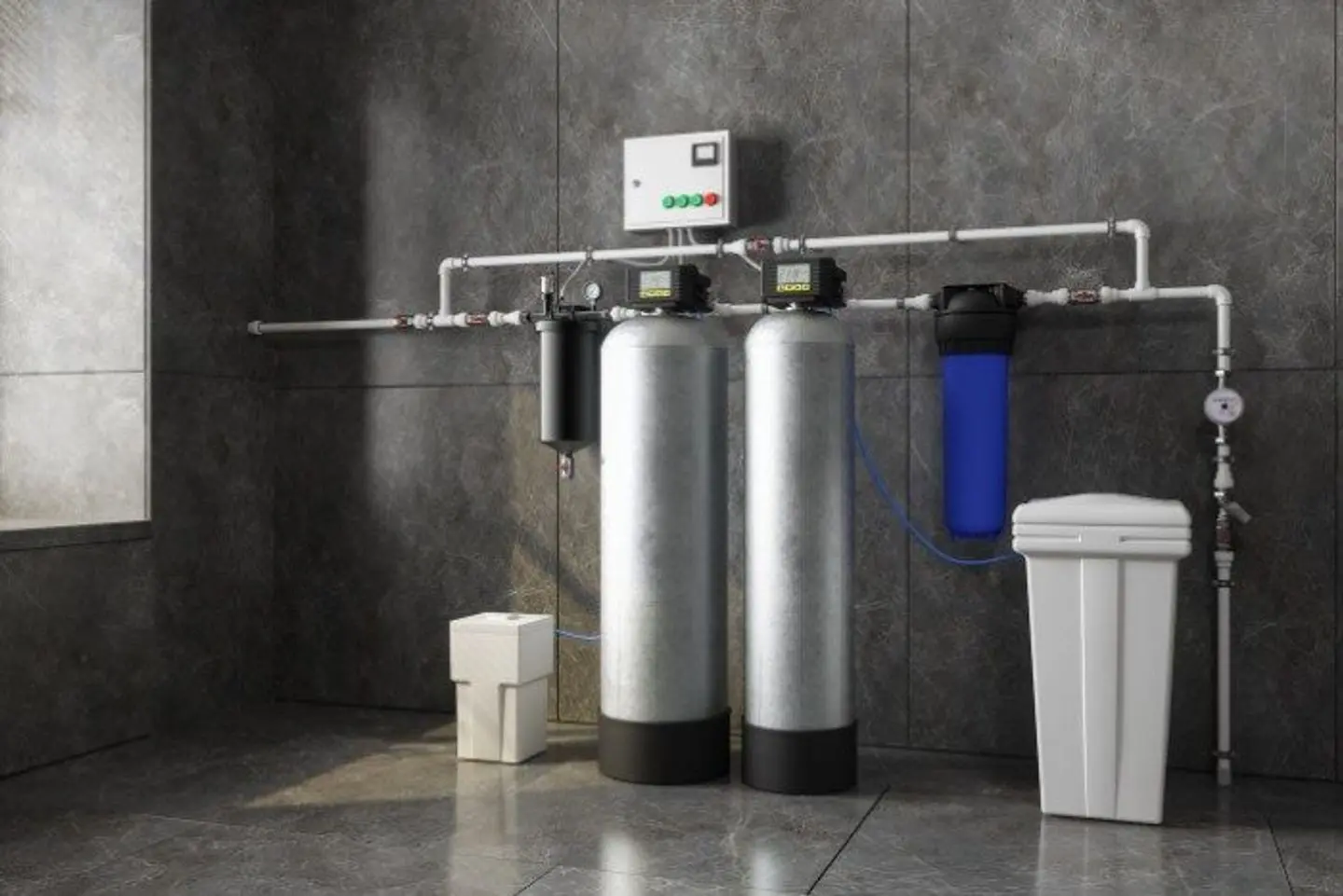
Whole-house filtration can provide a broader approach by treating incoming water before it travels to different points around the home. The exact filtration method should still be selected according to the water source and test results rather than simply choosing the most expensive system available.
Maintenance Is Part of the Deal
Even a high-quality water treatment system won’t perform well forever without basic care. Filters need to be replaced. Tanks may need inspection. Salt-based systems require salt. Connections and equipment should be checked occasionally for leaks or unusual performance.
It’s easy to put maintenance off when everything appears to be working. But that’s often when small problems become bigger ones.
Keeping a simple maintenance schedule can make things easier. Mark filter replacement dates on your calendar, check equipment periodically, and pay attention when the taste, pressure, or appearance of your water suddenly changes.
Choosing With Confidence
There isn’t one perfect water treatment system for every home. A family with very hard well water may have completely different needs from someone living in a city apartment with a noticeable chlorine taste.
The smartest approach is fairly simple: test the water, identify the actual problem, understand what each treatment technology does, and then choose equipment that matches your situation.
Better water isn’t necessarily about buying the biggest system or installing every available technology. It’s about finding the right balance between water quality, maintenance, budget, and everyday convenience.
After all, water is something your family uses constantly. When the right treatment system is quietly doing its job in the background, you may not notice it every day—and honestly, that’s probably the point. The real benefit is simply having water that works better for the way you live.