Choosing the Right Water Treatment: What Your Home Really Needs

There’s something comforting about turning on the kitchen tap and knowing the water looks, smells, and tastes just right. Yet many homeowners don’t really think about their water until they notice a strange taste, cloudy appearance, mineral buildup, or an unpleasant odor. At that point, the question usually becomes simple: what can actually be done about it?
The answer isn’t always the biggest or most expensive filtration system. Good water treatment starts with understanding what’s in your water and what your household genuinely needs.
Start by Understanding Your Water
Every home has a slightly different water story. Municipal supplies are treated before reaching households, while private wells depend on local groundwater conditions. Even within the same community, plumbing, pipes, and property conditions can influence what comes out of the faucet.
That’s why guessing isn’t the best approach. A water test can reveal issues that aren’t obvious from taste or appearance alone. If you’re considering treatment, a free in-home test can be a convenient way to learn more about your household water before making a decision.
It’s a small step, but it can save you from buying equipment that doesn’t solve the actual problem.
Pay Attention to the Little Warning Signs
Water problems don’t always announce themselves dramatically. Sometimes they show up as a white ring around the bathroom faucet. Maybe your showerhead keeps collecting scale, or your dishes come out of the dishwasher with spots. Perhaps there’s a noticeable chlorine taste when you drink a glass of tap water.
These details may point toward different water-quality concerns.
Hard water, for example, contains higher levels of minerals such as calcium and magnesium and can contribute to scale buildup. Sediment can make water look cloudy or leave particles behind. Certain filtration methods can also help improve taste and odor.
The important thing is not to assume every issue requires the same solution.
Different Problems Need Different Solutions
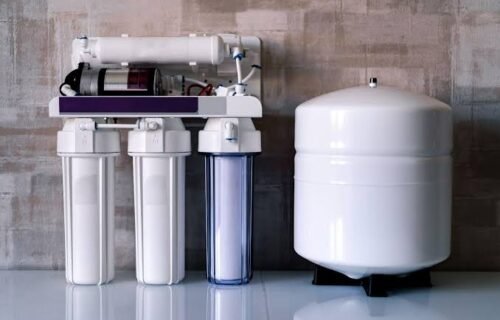
Water treatment technology has come a long way, which is useful, but it can also make shopping confusing. There are carbon filters, sediment filters, reverse osmosis systems, softeners, UV treatment, and combination setups.
Each serves a different purpose.
Carbon filtration is often used to improve taste and reduce chlorine. Sediment filtration focuses on physical particles. Water softeners address hardness minerals, while reverse osmosis systems provide more extensive filtration for drinking water.
There’s no prize for owning the most equipment. The better goal is to use the right technology for the right problem.
Why Professional Advice Can Help
Online research is useful, but water treatment isn’t always something you can solve with a quick search. Two homes a few miles apart can have very different water concerns.
A knowledgeable professional can look at your water quality, household needs, plumbing setup, and budget before suggesting an approach. Good expert recommendations should explain why a particular system makes sense rather than simply pushing the most expensive option.
Ask questions. What does the system remove? How often do filters need to be changed? What maintenance is required? What happens if the system stops working? These are practical questions, and a trustworthy provider should be comfortable answering them.
Think About How Your Family Uses Water
A household of two adults has very different water demands from a busy family with children. Some people mainly want better drinking water, while others are frustrated by hard water affecting showers, laundry, and appliances.
Think about your daily routine.
Do you cook frequently? Fill reusable bottles throughout the day? Have older appliances that are affected by mineral buildup? Use well water? These details can help determine whether you need a point-of-use filter or something designed to treat water throughout the property.
The best system should fit your lifestyle, not make your lifestyle fit the equipment.
Popular Options Aren’t Always the Best Options
There’s a reason certain water treatment products become widely known. They often work well for common concerns and have established technology behind them. Still, popularity alone shouldn’t decide what goes into your home.
The most popular water solutions may be perfectly suitable for one household and unnecessary for another. What matters is whether the system addresses the specific contaminants or water characteristics you’re dealing with.
It’s a little like buying shoes. The most popular pair in the store might look great, but if they don’t fit your feet, they’re not the right choice.
Don’t Ignore Maintenance
Once a filtration system is installed, the job isn’t completely finished. Filters need replacing, equipment may need cleaning, and some systems require periodic inspections.
Neglecting maintenance can affect performance and may even lead to poor water quality over time. Keep track of filter replacement dates and follow the manufacturer’s instructions. If your water suddenly tastes different or your pressure changes, don’t simply ignore it.
Regular maintenance is usually much easier — and cheaper — than waiting until a small issue turns into a bigger one.
Make a Decision That Feels Right for Your Home
Choosing water treatment doesn’t have to become an overwhelming project. Start with the basics. Understand your water source, identify the problems you’ve noticed, test the water when appropriate, and compare treatment options based on what you actually need.
Most importantly, don’t let flashy claims make the decision for you. A good system should solve a real problem, fit your household, and be practical to maintain.
Water is something your family relies on every day, from the first glass in the morning to the last dish washed at night. Taking the time to understand it is worthwhile. The right treatment approach won’t just be another piece of equipment sitting in the basement or under the sink. Done thoughtfully, it can become a quiet improvement that makes everyday life feel a little cleaner, easier, and more comfortable.