When Your Water Smells Strange: Understanding Hard Water and Other Common Problems
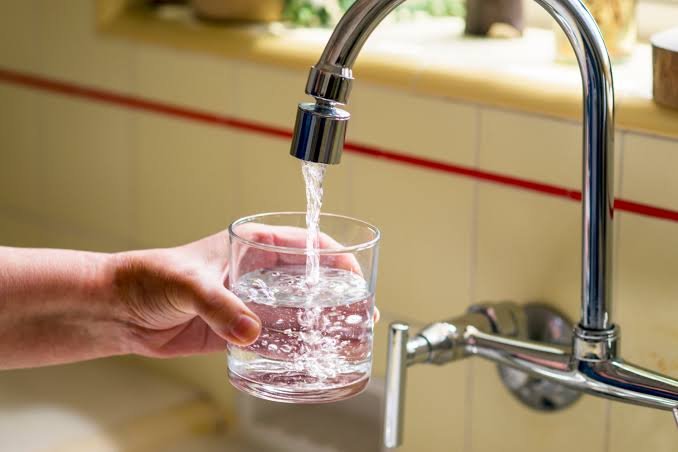
There’s something oddly unsettling about turning on the kitchen tap and noticing that the water doesn’t smell quite right. Maybe it has a faint rotten-egg odor. Perhaps there’s a metallic taste, cloudy appearance, or a chalky residue left behind after every shower. Water is supposed to be something we barely notice, so when it suddenly becomes noticeable, it’s hard to ignore.
The good news is that many household water problems can be identified and treated. The trick is figuring out what’s actually causing the issue instead of throwing money at a treatment system that may not solve the real problem.
What Your Water Is Trying to Tell You
Changes in water quality can show up in surprisingly ordinary ways. Dry-feeling skin, spots on dishes, stains around bathroom fixtures, strange smells, and poor soap lathering may all point toward different water conditions.
Sometimes the issue is simply mineral content. In other cases, the source could be plumbing, sediment, bacteria, or naturally occurring compounds in groundwater. That’s why paying attention to small changes can be useful.
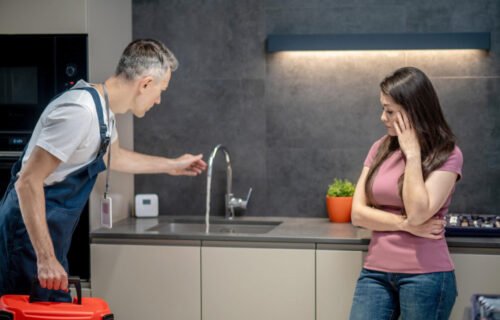
If your water has suddenly changed, don’t just assume it’s something you’ll have to live with. A professional water assessment can help narrow down what’s happening.
The Trouble With Hard Water
One of the most common complaints from homeowners is Hard Water. It usually contains elevated levels of minerals such as calcium and magnesium. These minerals aren’t necessarily something you can see floating around in a glass, but their effects become obvious over time.
You may find white crust around faucets, showerheads that seem to clog easily, or a film on glass shower doors. Soap and shampoo can also feel harder to rinse away.
There’s an appliance side to this problem, too. Mineral buildup can accumulate inside water heaters, pipes, dishwashers, and washing machines. Over time, that buildup may reduce efficiency and contribute to additional maintenance.
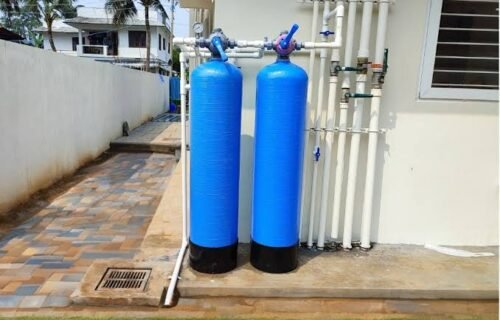
A properly selected water softening system can help reduce hardness and make everyday water use much easier.
Why Does Water Sometimes Smell Like Rotten Eggs?
If you’ve ever turned on a tap and immediately caught an unpleasant sulfur-like smell, you know how off-putting it can be.
In many cases, that rotten-egg odor is associated with hydrogen sulfide. It can occur naturally in groundwater and may become especially noticeable when water is heated. Certain plumbing or water-heater conditions can also contribute to the smell.
Smelly Water doesn’t automatically mean your entire water supply is dangerous, but it shouldn’t simply be ignored either. Identifying the source is the first step. Depending on the cause and test results, treatment may involve filtration, oxidation, disinfection, water-heater adjustments, or another targeted solution.
Why Professional Water Testing Matters
It’s tempting to search online for a solution when your water starts acting strange. And yes, the internet has plenty of advice. But water treatment isn’t really a guessing game.
Two homes can have completely different water conditions, even when they’re only a few streets apart. A system that works beautifully for one family might be unnecessary — or ineffective — for another.
Testing can provide a clearer picture of factors such as hardness, iron, sulfur, pH, sediment, and other characteristics. Once those results are available, it becomes much easier to select equipment based on facts rather than assumptions.
Choose Qualified Professionals
Water treatment equipment is only part of the equation. Installation and ongoing service matter, too.
Working with a licensed water professional gives homeowners an additional layer of confidence that the work is being handled by someone who understands the technical and installation requirements involved.
A good technician should also be willing to explain what they’re recommending. If someone can’t tell you why a particular system is appropriate for your water, that’s a fair reason to pause and ask more questions.
You shouldn’t feel pressured into buying the biggest or most expensive system. The right solution is the one that matches your actual needs.
Why Local Knowledge Helps
There’s something valuable about dealing with people who understand the area where you live. Water characteristics can vary by region, and local professionals often have experience with recurring problems found in nearby homes.
That’s one reason local experts can be especially helpful. They may recognize patterns that aren’t obvious from a generic online checklist, and they can often explain which treatment options have worked well for similar properties.
Local service can also make maintenance easier. If a filter needs replacement or your system needs adjustment, having an established service provider nearby is a lot more convenient than trying to track down help from a distant company.
Don’t Forget About Maintenance
Installing a treatment system isn’t the end of the story. Like an HVAC system, car, or household appliance, water equipment works best when it’s looked after.
Filters eventually need replacement. Softener settings may need adjustment. Tanks, valves, membranes, and other components can require periodic inspection depending on the system.
Skipping maintenance can reduce performance and potentially shorten equipment life. A simple service schedule can save you from discovering a problem when you least expect it.
Better Water Starts With Knowing the Problem
Water quality isn’t always something you can judge just by looking at a glass. Some problems are obvious, while others develop quietly over months or years.
If you’re noticing mineral deposits, strange odors, stains, unpleasant taste, or changes in how water behaves around your home, take a closer look. Testing the water and speaking with a qualified professional can help you understand what’s happening before choosing a treatment solution.
At the end of the day, better water isn’t about buying the fanciest equipment. It’s about having the right information, choosing a sensible solution, and keeping that system working properly.
Sometimes the best home improvements are the ones you don’t notice every second. Clean, fresh, dependable water is one of them — quietly making showers nicer, dishes cleaner, appliances happier, and everyday life just a little easier.