Water Treatment Solutions Designed for Homes, Businesses, and Industry
Clean, dependable water plays a bigger role in everyday life than most people realize. At home, it affects drinking water, showers, cooking, laundry, and appliances. In a business, water quality can influence operations, equipment performance, customer experience, and maintenance costs. In industrial environments, the stakes can be even higher.
That’s why choosing the right water treatment approach isn’t simply about installing a filter and hoping for the best. Different properties have different water demands, and the right system needs to reflect those differences.
Water Treatment That Fits the Setting
A small family home obviously doesn’t need the same equipment as a hotel, restaurant, office building, or manufacturing facility. Water volume, quality concerns, plumbing design, usage patterns, and operational requirements all matter.
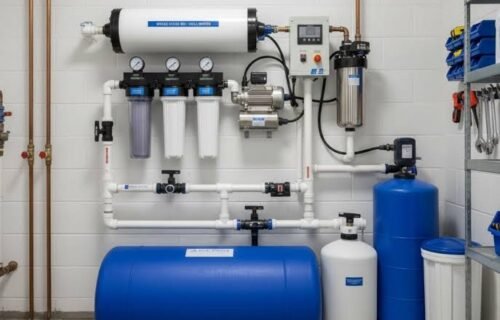
Reliable residential, commercial, and industrial water treatment solutions are designed around these differences. Instead of forcing every customer into the same system, a professional approach begins by understanding the water and the environment in which it will be used.
For homeowners, that might mean reducing hard-water scale and improving taste. Commercial properties may need dependable water for kitchens, bathrooms, laundry, or equipment. Industrial facilities can have much more specialized requirements, where consistency and system performance are essential.
Residential Water Treatment: Better Water Where You Live
At home, water quality is personal. You notice it when tap water tastes unusual, when your shower leaves mineral deposits behind, or when glasses come out of the dishwasher covered in spots.
Hard water is one of the most common household concerns. Calcium and magnesium can create scale inside plumbing fixtures and appliances while leaving a white, crusty residue on surfaces.
A properly selected treatment system can help address these issues while making everyday water more pleasant to use. Depending on the water quality and household needs, homeowners may consider filtration, drinking-water purification, or whole-home treatment.
The important thing is not to assume that every home needs the same equipment. Testing the water first can make the decision much clearer.
Water Softeners for Hard-Water Problems
For households dealing specifically with hardness, water softeners remain an important treatment option. Traditional softeners use ion exchange to reduce calcium and magnesium, helping prevent scale from forming throughout the plumbing system.
That can be particularly helpful for water heaters, washing machines, dishwashers, faucets, and shower fixtures. It may also make cleaning easier because there’s less mineral residue left behind.
However, softening isn’t the answer to every water-quality concern. A softener is primarily designed to address hardness, not every dissolved contaminant or taste and odor issue. Understanding that distinction is important when choosing equipment.
Refining Water for a Better Everyday Experience
Some homeowners are looking beyond basic hardness control. They want water that tastes cleaner, smells better, and feels more pleasant throughout the house.
This is where refiners can become part of a broader water-treatment strategy. Depending on the technology used, a refining system may be designed to improve certain characteristics of household water while providing a convenient whole-home solution.
The terminology can vary from one company to another, so it’s worth asking exactly what a system is designed to reduce and what kind of performance you can reasonably expect. Clear explanations are far more useful than big promises.
Commercial Water Treatment Requires Reliability
Businesses have a different relationship with water. A restaurant depends on it for food preparation and cleaning. A hotel needs dependable water for guests. An office building uses water throughout the day for kitchens, restrooms, and general operations.
In these environments, poor water quality can become an operational headache. Scale can affect equipment, mineral deposits can create extra cleaning work, and unpleasant taste or odor can affect customer perception.
Commercial treatment systems therefore need to be selected with flow rates, water demand, peak usage, equipment requirements, and maintenance schedules in mind. A system that works beautifully in a house may not be suitable for a busy commercial property.
Industrial Applications Demand Precision
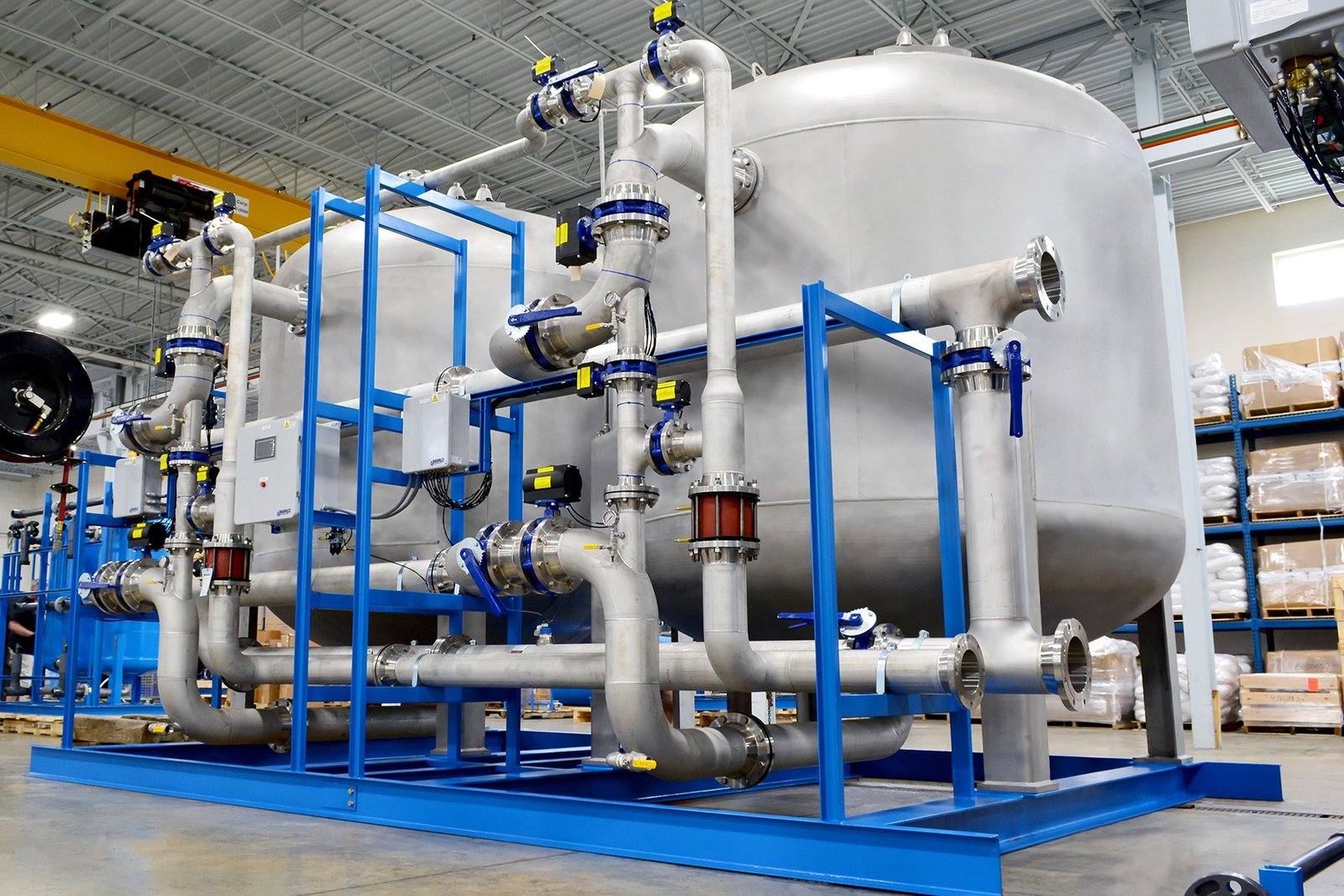
Industrial water treatment can be considerably more complex. Manufacturing processes, cooling systems, boilers, production equipment, and other applications may require carefully controlled water characteristics.
In these settings, even small changes in water chemistry can affect efficiency, maintenance, and equipment longevity. That’s why industrial treatment should generally begin with detailed water analysis and a clear understanding of the process requirements.
The right solution may involve multiple treatment stages rather than one piece of equipment. Depending on the application, technologies can include filtration, softening, reverse osmosis, deionization, or specialized conditioning systems.
Start With the Water, Not the Sales Pitch
One of the easiest mistakes to make is choosing a treatment system before understanding the actual problem.
A professional assessment can provide useful information about hardness, minerals, sediment, chlorine, and other characteristics. From there, treatment specialists can recommend equipment based on measurable needs rather than guesswork.
This approach can also prevent unnecessary spending. If a particular contaminant isn’t present, there may be no reason to invest in technology designed specifically to remove it.
Long-Term Support Matters
Water treatment isn’t always a “set it and forget it” purchase. Filters need replacing. Systems may need servicing. Commercial and industrial equipment may require more structured maintenance.
That’s why installation support and ongoing service should be part of the conversation from the beginning. A dependable provider should explain maintenance requirements clearly and make it easy to get assistance when something needs attention.
After all, a treatment system is only useful if it continues performing properly over time.
The Right Water Solution Is the One That Makes Sense
Whether you’re improving water in a family home, managing a commercial property, or operating an industrial facility, the principle is the same: understand the water first, define the goal, and choose technology that fits.
Good water treatment isn’t about buying the biggest system or following the latest trend. It’s about finding a practical solution that delivers the treatment you actually need.
With thoughtful planning, proper testing, and the right equipment, better water can become a quiet, dependable part of everyday life — exactly as it should be.