Making Sense of Modern Water Filtration for a Healthier Home
Water is one of those things we rarely think about until something seems off. Maybe the tap water has a strange smell. Perhaps there are mineral spots around the sink, or the water simply doesn’t taste as fresh as it used to. These little signs can make homeowners wonder what is actually flowing through their pipes.
The good news is that improving household water quality doesn’t always have to be complicated. With the right information and a filtration method suited to your home’s needs, you can make everyday water cleaner, more pleasant, and easier to use.
Understanding Your Home’s Water Quality
Every home’s water situation is a little different. Municipal water supplies are treated before distribution, while private wells can have their own unique characteristics. Even after treatment, water may pick up minerals or other substances while traveling through plumbing.
Some issues are obvious, such as an unpleasant taste or odor. Others show up gradually. You might notice scale around faucets, residue on dishes, or dry-feeling skin after a shower. These signs don’t automatically mean your water is unsafe, but they are good reasons to learn more about its quality.
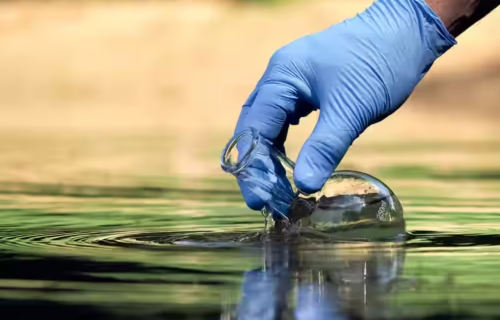
A water test is often a sensible first step. Rather than guessing which equipment you need, testing helps identify the specific characteristics of your water and makes it easier to choose an appropriate solution.
Why Filtration Is Worth Considering
The goal of modern water treatment solutions isn’t simply to make water look clear. Depending on the technology used, treatment can address particular impurities, improve taste and odor, reduce sediment, or deal with mineral-related issues.
The important part is matching the treatment to the problem. A filter designed for chlorine won’t necessarily address hardness, and a system intended to reduce certain dissolved substances may not be the right choice for sediment.
That distinction matters because homeowners sometimes purchase a filtration product based on a general promise rather than their actual water conditions. It can be an expensive mistake. Good filtration starts with understanding what needs to be filtered.
Reverse Osmosis for Drinking Water
For households particularly concerned about the quality of their drinking and cooking water, reverse osmosis can be an interesting option. The process uses a semipermeable membrane to separate water from many dissolved substances.
Modern reverse osmosis water filters are commonly installed under a kitchen sink or at a dedicated drinking-water point. They can provide highly treated water for drinking, cooking, coffee, and other everyday uses where water quality matters most.
There is a trade-off, though. Reverse osmosis systems generally produce some wastewater during filtration and may require multiple stages of treatment. Filters and membranes also need replacement according to the manufacturer’s schedule. It’s not a set-it-and-forget-it appliance.
Still, for the right household, the quality of the finished drinking water can make the extra maintenance worthwhile.
When Whole-Home Filtration Makes More Sense
A drinking-water filter is useful, but it only addresses water at a particular location. What about the water coming from your shower, bathroom sink, washing machine, and other fixtures?
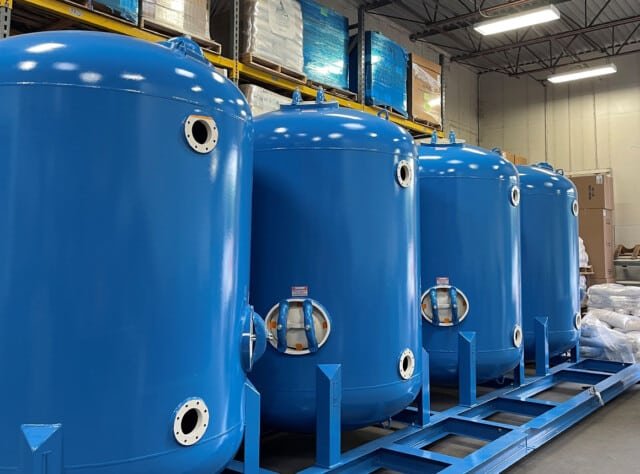
That’s where whole-house filtration becomes appealing. Instead of focusing on a single faucet, this approach treats water as it enters the home, allowing treated water to reach multiple fixtures.
For families who want a more consistent approach to household water, this can be a practical choice. It also removes the need to remember which tap has been filtered and which hasn’t.
Of course, the exact setup depends on the water source and the problems identified during testing. Some homes may need sediment filtration, carbon filtration, softening, or additional treatment stages. There isn’t a universal setup.
Think About Hard Water, Too
Hard water is one of the most common household water-quality complaints. It contains elevated amounts of minerals, particularly calcium and magnesium. While hardness isn’t generally considered dangerous by itself, it can create plenty of frustration.
Mineral scale can collect around faucets and showerheads, reduce the efficiency of water heaters, and leave marks on glassware. Soap can also behave differently in hard water, making it harder to get that clean, rinsed feeling.
A water softener is different from a traditional filter. It is specifically designed to reduce hardness minerals, usually through an ion-exchange process. If hardness is your main issue, softening may be more appropriate than simply installing a general-purpose filter.
Maintenance Shouldn’t Be an Afterthought
Even the best filtration equipment needs maintenance. Filters eventually become loaded with the substances they remove, and membranes can lose performance over time.
Manufacturers usually provide recommended replacement intervals, but actual timing can vary based on household size and water consumption. A busy family may go through filters faster than a person living alone.
It’s a simple thing, but keeping track of replacement dates can make a real difference. A neglected filter won’t deliver the same performance as a properly maintained one.
Choosing a System Without Overcomplicating It
There are plenty of filtration products available today, and the choices can feel overwhelming. Instead of comparing every feature on every model, begin with three basic questions: What is in your water? What do you want to improve? And how much water needs treatment?
The answers can narrow the field quickly.
If drinking water is the main concern, a point-of-use system may be enough. If the entire household has water-quality concerns, a whole-home approach could be more practical. And if hardness is causing scale and appliance problems, softening may deserve consideration alongside filtration.
A Practical Investment in Everyday Comfort
Good water quality isn’t about chasing some perfect number or buying the most expensive equipment available. It’s about making an informed decision based on your home’s actual needs.
Water touches nearly every part of daily life. We drink it, cook with it, bathe in it, clean with it, and depend on it without much thought. Taking the time to understand what’s in that water can help you choose a solution that fits your household rather than simply following the latest trend.
In the long run, the smartest filtration choice is usually the one that solves a real problem, fits your lifestyle, and can be maintained without becoming another chore you keep putting off.