Better Water at Home Starts with Understanding What You Need
Water is easy to take for granted. You turn on the kitchen faucet, fill a glass, start the dishwasher, take a shower, and move on with your day. Most of the time, nobody stops to think about what’s actually happening behind those simple routines.
Then something changes.
Maybe your coffee tastes a little odd. Perhaps your shower door seems to collect stubborn white spots no matter how often you clean it. Towels start feeling rough, dishes lose their shine, or you find yourself buying cases of bottled water because the tap just doesn’t taste quite right.
These little frustrations can make you wonder whether your home’s water could be improved. The good news is that there isn’t just one answer to every water problem. In fact, the best solution usually begins with understanding what you’re dealing with rather than rushing out to buy the first filter or treatment system you see online.
Every Home Has Its Own Water Story
It’s tempting to assume that if a certain water system works well for a friend or neighbor, it will automatically work for you too. Sometimes it might. Sometimes, not even close.
A home’s plumbing, water source, household size, daily usage, and the characteristics of the incoming water can all influence the kind of treatment that makes sense. One family may struggle mainly with hard water and mineral buildup, while another is perfectly happy with everything except the taste of its drinking water.
That’s why looking at your overall water quality is such an important first step. Instead of focusing immediately on a specific product, it helps to understand what is causing the problem in the first place.
For example, cloudy glasses and crusty faucets may point toward mineral-related issues. A strange smell could have an entirely different cause. Water that looks fine but tastes unpleasant may lead a homeowner toward a drinking water filtration solution instead.
The details matter. Water treatment isn’t really a one-size-fits-all business, even though advertisements sometimes make it sound that way.
Hard Water Can Sneak Into Everyday Life
Hard water is one of those household issues that can be easy to overlook at first. You may notice soap doesn’t lather as easily as expected, or perhaps there’s a stubborn film left behind after washing dishes. The bathroom fixtures become harder to keep clean, and the washing machine seems to need more detergent than it should.
Over time, these small annoyances can become a regular part of the household routine.
This is where water softeners may come into the conversation. These systems are designed to address hardness-causing minerals and can help reduce some of the effects homeowners commonly associate with hard water.
The practical benefits often show up in ordinary places. Laundry may feel different. Glassware can be easier to clean. Fixtures may require less scrubbing. Even something as simple as washing your hair or skin can feel more comfortable for some people.
Of course, whether a softener is the right choice depends on the water itself and the specific concerns inside the home. It’s always smarter to understand the issue before choosing the equipment.
Drinking Water Is a Different Conversation
Whole-home water treatment and drinking water filtration are sometimes discussed as though they’re the same thing. They aren’t necessarily.
A homeowner might be happy with the water used for bathing and cleaning but still want a different experience from the water coming out of the kitchen faucet. Taste, odor, and personal preferences often play a major role here.
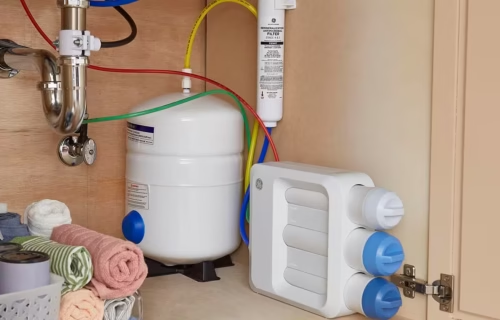
For families looking for a dedicated drinking water solution, reverse osmosis drinking water is one option that may be considered. Reverse osmosis systems use a filtration process designed to reduce certain dissolved substances from water, depending on the system and the specific conditions.
The appeal is often pretty simple: people want water they enjoy drinking.
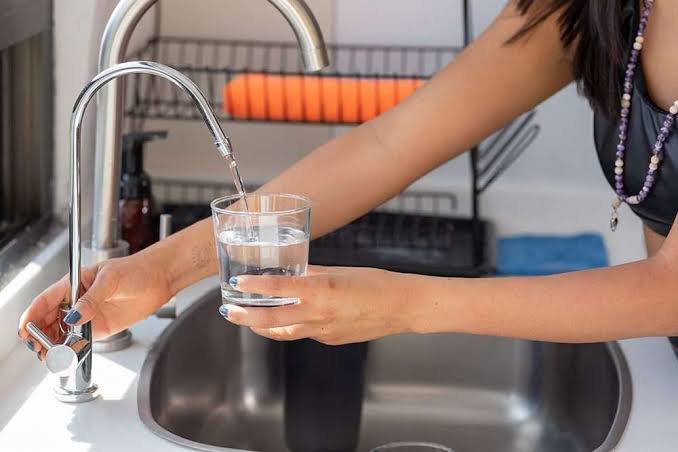
When water tastes better, families may naturally drink more of it. Some homeowners also like using treated water for coffee, tea, soups, and cooking. It can be a small change, but anyone who drinks several cups of coffee a day knows that water plays a bigger role in the final taste than we sometimes admit.
Still, reverse osmosis isn’t something that should be chosen simply because it sounds advanced. Like any water treatment option, it makes the most sense when it matches your goals.
Don’t Let Online Advice Make Things More Complicated
The internet is wonderful until you search for something like “best water filter.”
Suddenly, there are hundreds of products, dozens of opinions, and plenty of people confidently telling you that their preferred system is the only one worth buying. It can get confusing fast.
One website recommends a pitcher filter. Another says you need a whole-home system. A video insists that reverse osmosis is essential. Someone in the comments says it’s unnecessary.
So where do you start?
Usually, with your own water.
Testing and professional evaluation can help replace guesswork with actual information. Once you understand the characteristics of your water, the options become easier to sort through. You can focus on solving a real issue rather than collecting gadgets under the kitchen sink.
That approach can also save money. Buying the wrong system, replacing filters that don’t address your main concern, or installing equipment that is too large or too small for your household can become expensive over time.
A little information upfront can prevent a lot of second-guessing later.
Think About How Your Household Actually Uses Water
A good water treatment decision should reflect real life.
How many people live in the home? Is everyone showering in the morning before work and school? Do you run the dishwasher every night? Is there a large family, or just one or two people? Do you use a private well, or receive water from a municipal supply?
These questions may sound ordinary, but they can influence which system is suitable.
Imagine two households. One is a busy family with teenagers, constant laundry, and three bathrooms. The other is a couple living in a smaller home who mainly want better-tasting drinking water. Giving both homes exactly the same recommendation without understanding their needs would be a bit like giving everyone the same shoe size and hoping for the best.
The right system should fit the household, not force the household to adapt to the system.
Installation and Long-Term Support Matter Too
Choosing water treatment equipment is only part of the process. Installation, maintenance, and future support can make a difference in how smoothly the system performs over the years.
Homeowners should feel comfortable asking questions before making a decision. What maintenance will the system need? How often should filters be changed? Who provides service if something goes wrong? What should you expect after installation?
A good provider should be able to explain these things in plain language.
You shouldn’t need a chemistry degree—or a secret decoder ring—to understand what you’re buying.
The best conversations are usually straightforward. Here’s what your water is doing. Here’s what this system can help with. Here’s what maintenance may look like. No mystery, no unnecessary pressure.
Better Water Is Really About Everyday Living
At the end of the day, most people aren’t searching for water treatment because they want another appliance to manage. They simply want their home to feel more comfortable.
They want cleaner-looking dishes, less buildup around faucets, softer laundry, or water that tastes good enough that reaching for a bottled drink no longer feels necessary.
Those everyday improvements may seem small individually, but they add up. Water touches almost every part of life at home, from the first cup of coffee in the morning to the last load of laundry at night.
The smartest path is usually the simplest one: understand your water, identify what bothers you, and choose a solution based on real needs rather than hype.
Because better water doesn’t have to mean the most complicated system. Sometimes, it just means finding the right answer for the home you already have.