Choosing the Right Water Treatment Solution for a Better Home
Good water is easy to take for granted. We turn on the kitchen faucet, fill a glass, start the washing machine, or jump into the shower without giving much thought to what’s moving through the pipes. But when water starts leaving spots on dishes, creating scale around fixtures, or tasting a little strange, it suddenly gets our attention.
The truth is, water quality affects more of daily life than most homeowners realize. Choosing the right treatment system isn’t simply about making water taste nicer. It can also be about protecting plumbing, improving household comfort, and finding a practical solution for the specific challenges in your local water supply.
Start by Understanding Your Water
Before choosing any equipment, it helps to know what you’re dealing with. Water quality can differ significantly depending on whether your home receives municipal water or relies on a private well. Even neighboring communities can have noticeably different water characteristics.
Hard water is a common concern. It contains minerals such as calcium and magnesium that can leave behind deposits on faucets, shower doors, and appliances. Over time, that buildup can become more than an eyesore.
Other concerns may include chlorine taste, odors, sediment, or specific contaminants identified through water testing. That’s why guessing usually isn’t the best approach. A proper water test can give homeowners a much clearer starting point.
Why Professional Installation Matters
Once you know what’s in your water, the next question is how to treat it. This is where professional help becomes useful.
Water treatment equipment needs to be selected and installed according to the home’s water conditions and expected usage. A system that is too small may struggle to keep up with demand, while an oversized system may add unnecessary expense.
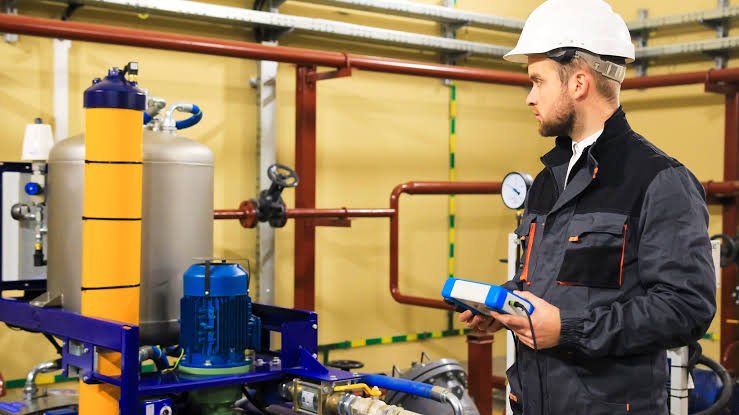
Experienced tceq-licensed service technicians can bring valuable knowledge to the installation process, particularly when local requirements and technical considerations need to be taken into account. Professional service also means the system can be checked carefully rather than simply connected and left alone.
It’s one of those situations where doing the job properly from the beginning can save headaches later.
Understanding Water Softening
For households dealing with hard water, softening can make a noticeable difference. Hard water minerals can accumulate inside plumbing and on surfaces, creating the familiar white or cloudy residue many homeowners have seen.
Modern water softening systems are designed to reduce hardness minerals in the water supply. Depending on the system and household needs, this can help reduce scale buildup and make everyday cleaning easier.
There can be simple quality-of-life improvements, too. Soap may rinse differently, laundry can feel cleaner, and shower surfaces may require less scrubbing. None of these changes sound revolutionary on their own, but together they can make the home feel easier to maintain.
Not Every Home Needs the Same Solution
One common mistake is assuming that every homeowner needs the same type of treatment. That’s rarely true.
A household with severe hardness issues may have different needs from one primarily concerned about taste and odor. Likewise, a home using well water could require a different combination of treatment technologies than a house supplied by a municipal system.
This is why a customized approach makes sense. Rather than starting with a particular product and trying to make it fit, start with the water problem and work backward toward the appropriate solution.
It may sound less exciting, but it’s much more practical.
Quality Equipment Can Be a Long-Term Investment
Water treatment equipment is something you expect to use for years, not weeks. Naturally, quality matters.
Companies that focus on world-class products and solutions generally emphasize equipment designed for dependable performance, efficient operation, and long-term household use. Still, homeowners shouldn’t judge a system simply by a marketing phrase or a shiny brochure.
Look at the system’s specifications, maintenance requirements, warranty, expected service life, and suitability for your water conditions. A well-built system that matches your needs is usually a better investment than an expensive system that solves a problem you don’t actually have.
The Benefits Go Beyond Drinking Water
It’s easy to think of water treatment as something related only to drinking water. In reality, treated household water affects much more.
Your shower, washing machine, dishwasher, water heater, faucets, and other plumbing fixtures all use the same supply. If hard water is causing mineral buildup, those effects can appear throughout the house.
Reducing that buildup may help keep fixtures looking cleaner and reduce the amount of time spent dealing with scale. For homeowners who are tired of constantly wiping white residue from taps and shower glass, that alone can feel like a small victory.
And sometimes, small victories are exactly what make home maintenance less frustrating.
Maintenance Shouldn’t Be an Afterthought
Even the best water treatment system needs regular care. Filters may require replacement, salt levels may need monitoring in applicable systems, and components should be inspected according to manufacturer recommendations.
Ignoring maintenance can gradually reduce performance. A system that once worked beautifully may not deliver the same results if filters become overdue or mechanical components aren’t functioning properly.
The good news is that routine maintenance is usually manageable. Keeping track of service dates and paying attention to changes in water quality can help identify issues before they become bigger problems.
Think About Your Household’s Future Needs
Your water needs today may not be exactly the same a few years from now. Families grow, homes may gain additional occupants, and water usage can change.
When selecting treatment equipment, consider more than your current daily routine. Think about the size of your household, the number of bathrooms, water-consuming appliances, and any future changes you’re already planning.
A little forward thinking can help prevent the need for another major upgrade too soon.
Making a Confident Choice
Choosing water treatment equipment doesn’t have to be complicated. Start with the basics: test the water, understand the problem, compare appropriate treatment technologies, and work with qualified professionals when installation or technical guidance is needed.
Don’t be pressured into buying features you don’t need. At the same time, don’t automatically choose the cheapest option simply because it costs less today. Long-term reliability, service, maintenance, and performance all have value.
The right solution should quietly do its job while making everyday life a little easier.
Better Water Starts With the Right Approach
Water quality is one of those home issues that can sit unnoticed for years. Then one day, you realize how much time you’ve spent cleaning mineral deposits or wondering why your water tastes different.
A thoughtful treatment strategy can change that. By understanding your water and choosing equipment designed around your actual needs, you can improve comfort while protecting the systems that depend on your home’s water supply.
In the end, good water treatment isn’t about buying the biggest or most complicated system. It’s about finding the right fit, installing it correctly, and taking care of it over time. That’s what turns a water treatment purchase into a worthwhile home investment.