Cleaner Water at Home: Choosing the Right Filtration Solution for Your Family
There’s a quiet comfort in turning on the kitchen tap and trusting what comes out. We use water without thinking much about it—making tea, washing vegetables, filling a bottle before work, giving the kids a glass after they’ve been outside. It’s such an ordinary part of life that water quality often gets attention only when something tastes strange or leaves a stubborn mark behind.
The truth is, water can look perfectly clear and still contain minerals, chlorine, sediment, or other unwanted substances. That doesn’t automatically mean your water is unsafe. It simply means understanding your water quality is worth the effort, especially if you’re choosing a filtration system for your home.
Start by Understanding Your Water
Before buying any treatment equipment, find out what you’re actually dealing with. Water quality can vary dramatically between neighborhoods, buildings, and even individual properties.
Some households struggle with hard water, while others notice chlorine taste, sediment, unpleasant odors, or staining caused by iron. Private well water can present a different set of challenges than treated municipal water.
A basic water test can give you useful information about hardness, pH, chlorine, iron, and other characteristics. Once you know what’s present, it becomes much easier to select technology that addresses the specific problem.
Buying a filter first and asking questions later is a bit like buying glasses without checking your eyesight. It might work, but it’s hardly the smartest approach.
When Reverse Osmosis Makes Sense
For drinking and cooking water, homeowners often look for a system capable of reducing a broad range of dissolved contaminants. Reverse Osmosis Systems are one popular option because they use a semipermeable membrane to separate many dissolved substances from water.
An RO system is usually installed at a point of use, such as a kitchen sink. Depending on the specific system and its certification, it can reduce certain dissolved solids and contaminants, while improving taste and odor.
There is a trade-off, though. Reverse osmosis systems generally produce some reject water during the filtration process, and their filters and membranes require periodic replacement. Storage tanks and installation space may also need consideration.
That doesn’t make RO a bad choice. It simply means the system should be selected with your water quality and daily usage in mind.
What Is Whole House Filtration?
If your concerns go beyond drinking water, treating water at a single kitchen faucet may not be enough.
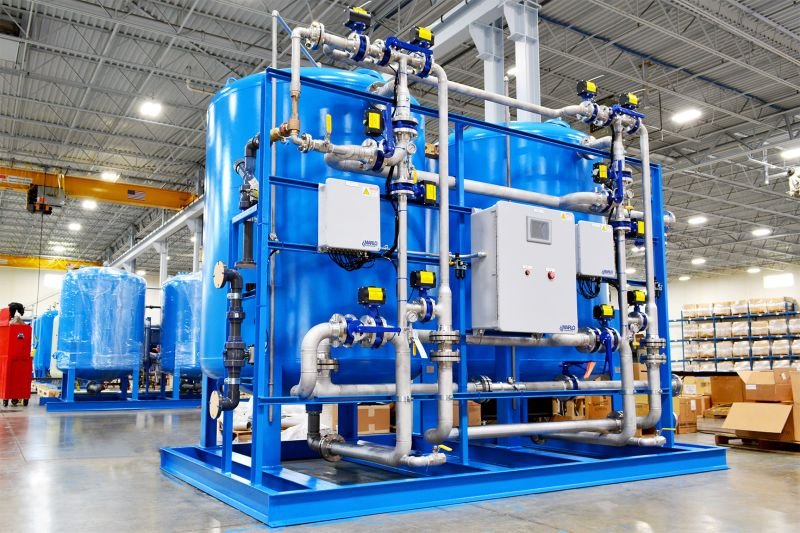
Whole House Filtration is designed to treat water as it enters the home, allowing filtered water to flow through multiple fixtures. This can be particularly useful when homeowners want to address concerns that affect showers, laundry, bathrooms, and appliances as well as drinking water.
The type of filter used depends on the water problem. Sediment filters can target particles, while activated carbon is commonly used for improving taste and reducing chlorine. Other treatment technologies may be appropriate for specific contaminants.
One important point: not every whole-house filter removes everything. The phrase sounds comprehensive, but the actual performance depends on the media, system design, flow rate, and contaminants being targeted.
Don’t Forget About Hard Water
Hard water deserves a separate conversation because filtration and softening aren’t quite the same thing.
Hard water contains minerals such as calcium and magnesium. Over time, these minerals can leave scale around faucets, showerheads, and appliances. You may also notice that soap doesn’t lather as easily or that freshly washed glassware develops cloudy spots.
A water softener can help address hardness by reducing calcium and magnesium through ion exchange. In homes where hard water is the main issue, softening may be more useful than simply installing a conventional filter.
The right system depends on what you’re trying to accomplish. Cleaner-tasting water and softer water are related goals, but they aren’t identical ones.
Is Bottled Water Still a Good Option?
For some families, filtration equipment isn’t immediately practical. Renters may not want to modify plumbing, offices may need a simple hydration solution, and businesses can have very different requirements from residential homes.
In those situations, Bottled Water Delivery can be a convenient alternative. Regular delivery means there’s less need to remember shopping trips or carry heavy water containers home.
But convenience comes with considerations of its own. Bottled water creates packaging waste, requires storage space, and can become expensive over time depending on household consumption.
For someone who drinks a lot of water every day, investing in an appropriate filtration system may eventually be more economical. For temporary situations, workplaces, or properties where installation isn’t practical, delivery can still make plenty of sense.
Think About Maintenance Before You Buy
A filtration system is not something you install and forget.
Filters eventually become saturated. RO membranes need replacement. UV systems, where used, require maintenance according to manufacturer instructions. Water softeners need salt or other consumables depending on the technology.
Ask about replacement schedules and costs before making a decision. A system that looks inexpensive initially may cost considerably more over several years if replacement components are costly or difficult to obtain.
Also consider whether you can maintain the system yourself or whether professional service will be necessary.
Flow Rate and Household Size Matter
This is an easy detail to overlook.
A small filtration system might perform beautifully at one kitchen faucet but struggle if several people are showering, washing clothes, and running appliances at the same time.
Whole-home systems need to be sized according to household demand and plumbing conditions. Look at gallons-per-minute requirements, filter capacity, pressure drop, and the number of people using the water.
A professional water treatment provider can help determine appropriate sizing rather than simply selling you the largest system available.
Don’t Shop by Price Alone
Cost obviously matters. Nobody wants to spend more than necessary.
Still, the cheapest system isn’t always the best value. Consider the quality of the components, certifications where relevant, installation, warranty coverage, replacement parts, maintenance requirements, and expected service life.
Most importantly, make sure the system actually addresses the contaminants you care about.
A beautifully designed filter that doesn’t treat your particular water problem isn’t a bargain. It’s just an expensive decoration under the sink.
A Practical Approach to Better Water
Choosing a water treatment system doesn’t have to feel overwhelming. Start with testing. Identify the problem. Decide whether you need drinking-water treatment, whole-home treatment, softening, or simply a convenient water supply.
Then compare systems based on performance, maintenance, cost, and long-term practicality.
There isn’t one perfect solution for every household. A family with hard municipal water may need something completely different from a rural home using a private well. A small apartment may have very different priorities from a large family house.
The goal isn’t to buy the most complicated equipment. It’s to find the right treatment for your actual water.
After all, good water quality is something you experience every day, often without even noticing it. And when the system is properly chosen and maintained, that’s exactly how it should feel—simple, reliable, and quietly doing its job.