Cleaner Water at Home: Understanding Modern Water Treatment Options
Water is one of those household essentials we rarely think about until something seems wrong with it. Maybe the tap water has an odd taste. Perhaps there’s white scale around the faucets, cloudy water in a glass, or a lingering chlorine smell that makes you reach for a bottled alternative.
These small signs can raise bigger questions about water quality. Is the water actually safe? What’s causing the unpleasant taste? And, more importantly, what can homeowners do about it?
Modern water treatment offers several answers, but there isn’t one solution that works perfectly for every home. The right approach depends on what’s in the water, where the problem occurs, and what you want the treatment system to accomplish.
Why Household Water Quality Can Vary
Even when municipal water meets regulatory standards, its characteristics can vary from one location to another. Water may pick up minerals while moving through underground sources, or it can be affected by aging plumbing and household pipes.
Private well water can be even more variable. Depending on the area, it may contain elevated levels of iron, manganese, hardness minerals, sediment, or naturally occurring compounds that affect taste and appearance.
That’s why simply buying a filter because it worked for a neighbor isn’t always the smartest move. Two homes a few streets apart can have surprisingly different water chemistry.
Testing is usually the sensible first step. A water analysis can identify specific concerns and help determine which treatment technology actually makes sense.
What Reverse Osmosis Can Do
For homeowners concerned primarily about the quality of water used for drinking and cooking, reverse osmosis can be a useful option.
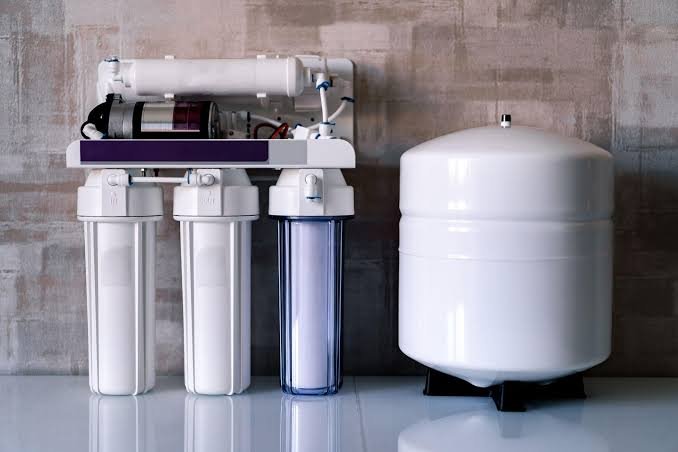
The process uses pressure to push water through a semipermeable membrane. The membrane can reduce a range of dissolved substances, depending on the particular system and its design. Because the technology focuses on water at a specific point of use, it is commonly installed beneath a kitchen sink or connected to a dedicated drinking-water faucet.
One of its biggest advantages is consistency. Instead of relying on bottled water every time you want a glass, you can have treated water available directly from the tap.
Still, reverse osmosis isn’t a magic wand. Systems require maintenance, including filter and membrane replacement. They can also produce some reject water during the treatment process. Choosing the right system size and configuration matters.
For households considering this technology, it’s worth looking beyond the marketing label and asking what contaminants the system has actually been designed and tested to reduce.
Choosing the Right Drinking Water Solution
A kitchen drinking-water system should match the household’s needs rather than simply look impressive on a brochure. Families who cook frequently or consume a lot of water may need a higher-capacity setup than a small household.
Modern drinking water systems can include different combinations of sediment filters, carbon filtration, specialty media, ultraviolet treatment, or reverse osmosis. Each technology has a different job.
Carbon filtration, for instance, is often used to improve taste and reduce chlorine-related odors. Sediment filtration can capture particles such as sand and rust. Other technologies may be selected for specific contaminants identified during water testing.
The key is to understand the problem before choosing the equipment.
It’s also important to consider maintenance. A filter that performs beautifully but gets ignored for years isn’t doing anyone much good. Regular replacement schedules keep treatment equipment working as intended and help prevent filters from becoming unnecessarily clogged.
Hard Water Is a Different Problem
Not every water complaint is about drinking-water contaminants. Sometimes the real headache is hardness.
Hard water commonly contains calcium and magnesium. These minerals aren’t necessarily a reason to panic, but they can create plenty of everyday frustration. Soap may lather poorly, dishes can develop spots, and faucets and showerheads may develop stubborn mineral deposits.
Over time, scale can also accumulate inside water heaters, pipes, and appliances that regularly use heated water.
This is where water softening can play a different role from drinking-water filtration. A softener is designed primarily to address hardness rather than provide comprehensive drinking-water purification.
Understanding that distinction saves homeowners from expecting one appliance to solve every water problem.
Treating Water Throughout the Home
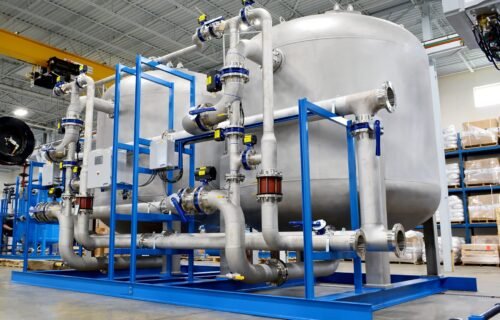
If water quality concerns extend beyond the kitchen, a point-of-use filter may not be enough. That’s when whole house water treatment becomes worth considering.
Whole-home systems treat water as it enters the property, allowing treated water to flow through multiple fixtures. Depending on the water analysis, a system might combine sediment filtration, carbon treatment, softening, or other technologies.
The advantage is convenience. You’re not just improving the water coming from one faucet. You may also be addressing issues affecting showers, laundry, appliances, and bathroom fixtures.
For example, a household dealing with heavy sediment may notice problems in several places. Treating only the kitchen faucet leaves the rest of the plumbing exposed to the same incoming water.
Of course, whole-home treatment can be more involved than installing a small under-sink filter. System capacity, plumbing configuration, available space, drainage, maintenance, and water pressure all need to be considered.
Why Professional Water Testing Matters
One of the easiest mistakes homeowners make is treating symptoms without identifying the cause.
A strange smell might lead someone to buy a carbon filter. White deposits might prompt the purchase of a softener. Cloudy water could result in a sediment cartridge. Sometimes those choices help. Sometimes they simply cost money without solving the underlying issue.
Professional water testing provides a clearer starting point.
Testing can help identify factors such as hardness, pH, iron, manganese, chlorine, sediment, and other substances of concern. Once the results are understood, treatment equipment can be selected around actual conditions rather than guesswork.
That approach is particularly useful for private wells, older homes, and properties where water quality changes seasonally.
Maintenance Is Part of Water Treatment
Installing a treatment system is not the finish line.
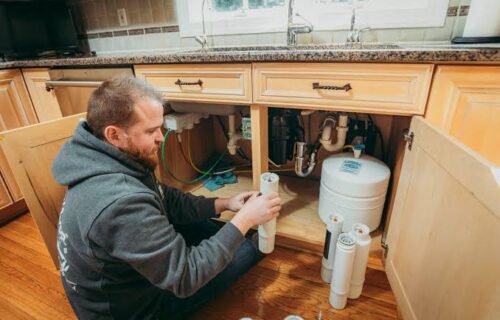
Filters have to be replaced. Tanks may require servicing. Membranes have a useful lifespan. Water softeners need appropriate salt or regeneration management, depending on the technology. Some systems also require periodic inspections or sanitization.
A neglected system can become less effective over time, and homeowners may not notice immediately because the equipment is hidden away in a cabinet or utility area.
A simple maintenance calendar can make a difference. Keep track of filter changes, professional service visits, and any unusual changes in water taste, odor, pressure, or appearance.
It’s a small habit, but it protects the investment.
Finding a Practical Solution for Your Home
There’s no universal definition of “better water.” One household may mainly want better-tasting drinking water. Another may be struggling with hard water and scale. Someone with a private well may have a completely different set of concerns.
The smartest approach is to start with the water itself.
Test it, understand the results, identify which fixtures or uses are affected, and then choose treatment equipment designed for those specific needs. A properly selected system can make everyday water use feel easier and more predictable — no constant bottled-water runs, no endless scrubbing of mineral deposits, and fewer surprises when you turn on the tap.
Good water treatment isn’t really about buying the biggest or most complicated system available. It’s about solving the right problem with the right technology and keeping that solution properly maintained. Once you look at it that way, cleaner, better-performing household water becomes a practical goal rather than a confusing one.