A Practical Guide to Cleaner Water: Why Whole-House Filtration Is Worth Considering
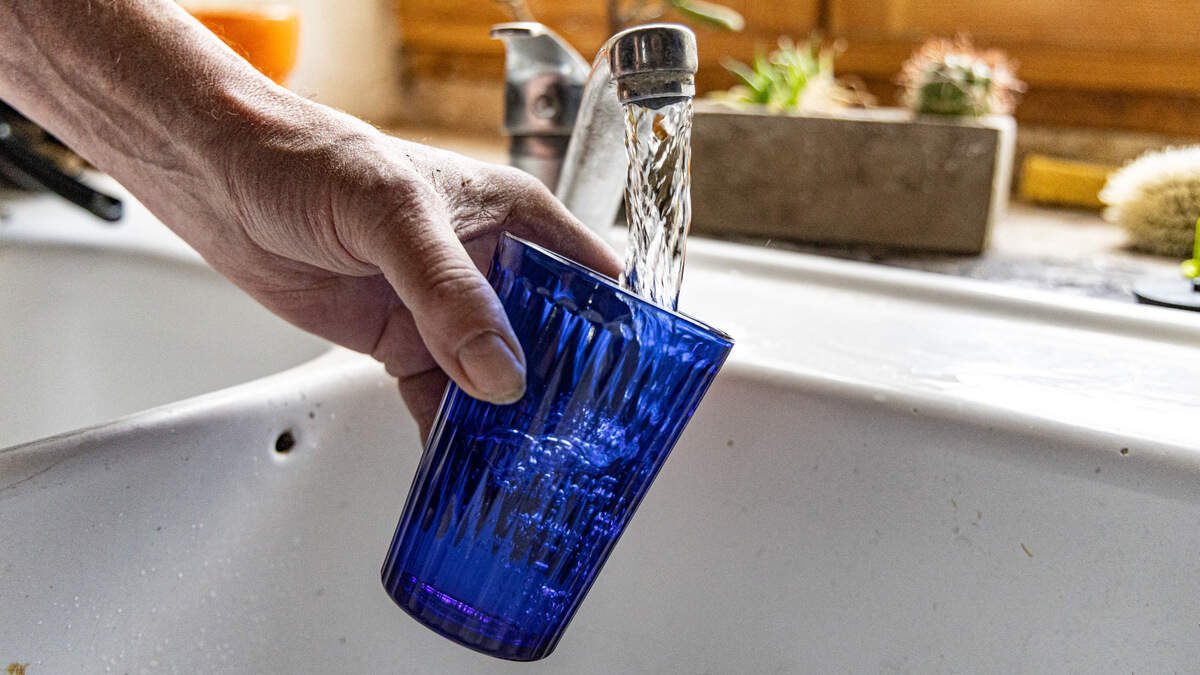
Water is one of those things most of us barely think about until something goes wrong. Maybe there’s an odd smell when you turn on the tap. Perhaps your shower leaves your skin feeling dry, or the kettle seems to collect white mineral deposits almost overnight. These little signs can be easy to ignore, but they often point to a bigger question: what’s actually coming through the pipes?
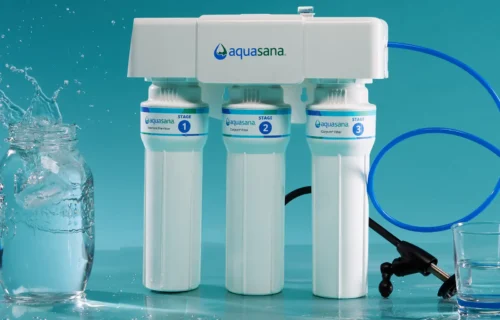
For households that want cleaner, better-tasting water throughout the home, a whole house filtration system can be a practical solution. Unlike a small filter fitted to one kitchen tap, a whole-house system treats water as it enters the property, helping provide filtered water across multiple outlets.
Why Water Quality Matters at Home
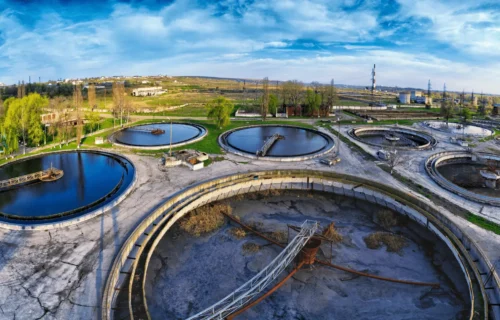
Tap water is generally treated before it reaches your home, but that doesn’t necessarily mean every household experiences the same water quality. Local water sources, plumbing, pipe age and naturally occurring minerals can all influence what comes out of your taps.
You might notice chlorine-like smells, sediment, unpleasant tastes or mineral buildup around fixtures. In some areas, hard water can be particularly noticeable. It may leave spots on shower glass, make soap harder to rinse away and contribute to scale inside appliances.
That’s where filtration becomes more than just a matter of taste. It can be part of a broader approach to making everyday water use more comfortable.
What Does a Whole-House Filter Actually Do?
The basic idea is fairly straightforward. Instead of filtering water only at a single drinking-water tap, a whole-house filtration system is installed on the main incoming water line. Water is treated before it travels through the home’s plumbing.
Depending on the system and filter technology, filtration may help reduce sediment, chlorine, certain unpleasant tastes and odors, and other specific contaminants. The exact performance depends heavily on the filter type, so it’s important not to assume that every system removes everything.
This is one reason choosing a filtration system based on actual water conditions makes more sense than simply buying the biggest or most expensive model available.
Filtration and Hard Water Aren’t Quite the Same Thing
Here’s a distinction that often gets overlooked.
Filtration and water softening solve different problems. A filter is generally designed to reduce particular impurities or unwanted substances. A traditional water softener, on the other hand, is primarily designed to reduce hardness minerals such as calcium and magnesium.
If your main complaint is scale on faucets, stiff laundry or difficulty getting soap to lather, softening may be worth considering. If you’re more concerned about taste, odor or certain contaminants, filtration could be the better fit.
In some homes, combining treatment methods makes sense. It really comes down to the water itself and what you want to improve.
The Everyday Difference Can Be Surprisingly Noticeable
Clean water isn’t only about filling a glass.
Think about how much water a household uses in a normal day: showers, cooking, washing dishes, laundry, brushing teeth and making tea or coffee. When the water quality improves, the difference can show up in small ways that gradually become part of your routine.
Many homeowners look for softer, more manageable water because they’re tired of dealing with stubborn deposits and the general nuisance associated with mineral-heavy water. While filtration alone doesn’t necessarily soften water, the right combination of treatment equipment can make household water easier to live with.
And honestly, convenience counts. Not having to constantly scrub mineral spots from fixtures is a small luxury, but it’s a useful one.
Start With a Water Test Instead of Guesswork
Before choosing any treatment system, find out what’s actually in your water.
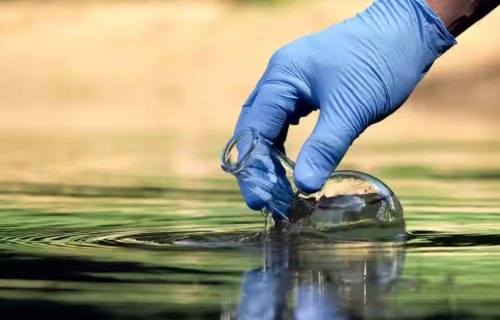
A water test can identify characteristics such as hardness, pH, chlorine levels and certain contaminants. Testing is particularly useful if your water comes from a private well, because water conditions can vary considerably from one property to another.
Some companies offer a free water test as part of their consultation process. If you use one, ask what the test measures and whether the results are explained clearly. A free test is useful when it provides meaningful information—not when it’s simply a sales pitch dressed up as science.
Ideally, you want enough information to compare treatment options sensibly.
Maintenance Is Part of the Deal
A filtration system isn’t something you install and forget about forever.
Filters have a service life. Once they become saturated, their effectiveness can decrease, and neglected equipment can become an unnecessary source of frustration. Replacement schedules vary depending on the filter type, water quality and household consumption.
Before buying, ask how often cartridges need changing, how much replacements cost and whether maintenance can be handled easily. Those ongoing expenses matter just as much as the initial installation price.
A system that’s affordable to purchase but expensive or difficult to maintain may not be such a bargain after all.
Choosing the Right System for Your Home
There’s no universal “best” filtration system. A suitable choice depends on your water source, household size, plumbing setup, budget and the contaminants you actually need to address.
Look for systems with clear performance information rather than vague promises. Check the filter’s capacity, replacement requirements and certifications where applicable. If you’re unsure, a qualified water-treatment professional can help interpret your test results and recommend equipment based on evidence rather than guesswork.
It’s also worth thinking about flow rate. A system needs to supply enough treated water for normal household demand without creating annoying pressure problems.
Cleaner Water Is About More Than a Gadget
At the end of the day, water treatment isn’t really about owning another piece of equipment. It’s about making something you use every single day a little better.
A properly selected filtration system can improve the taste and smell of water, reduce certain unwanted substances and make water quality more consistent throughout the house. But the smartest approach is to start with testing, understand what needs to be treated, and then choose technology that matches the problem.
There’s no need to overcomplicate it. Good water treatment is less about chasing the fanciest system and more about getting the right solution for your home, your water and your everyday needs.