Author: shrwanswami@gmail.com

  • Cleaner Water Starts With Understanding What’s Really in Your Supply

    Cleaner Water Starts With Understanding What’s Really in Your Supply

    Water has a funny way of becoming invisible in our daily lives. We turn on a faucet, fill a glass, take a shower, wash vegetables, and move on. It’s always there, so we rarely stop to wonder what is actually coming through the pipes. Yet the quality of household water can influence everything from the taste of your morning coffee to the condition of your plumbing and appliances.

    Clear water isn’t necessarily perfect water. Depending on the source, it can contain minerals, microorganisms, sediment, chemicals, or other substances that affect its appearance, taste, or performance. The good news is that homeowners have more treatment options than ever. The challenge is figuring out which solution actually makes sense.

    Begin With a Simple Water Test

    Before spending money on filtration equipment, testing your water is one of the smartest things you can do. It gives you a starting point instead of leaving you to guess.

    A basic water analysis may examine pH, hardness, iron, manganese, dissolved solids, chlorine, and other characteristics. Private well owners may need additional testing because groundwater conditions can differ considerably from one location to another.

    Municipal water supplies are generally monitored and treated before reaching homes, but that doesn’t mean every household will experience the same taste or quality. Plumbing age, local conditions, and changes in the distribution system can all influence what comes out of the tap.

    Testing also prevents a common mistake: buying a system designed to solve a problem you don’t actually have.

    Hardness Is More Than an Annoyance

    Many homeowners first notice hard water because of the white spots it leaves on faucets, shower doors, or dishes. Soap may feel difficult to rinse away, and showers can leave skin feeling unusually dry. Over time, mineral scale may accumulate inside water heaters, fixtures, and plumbing components.

    Hardness is primarily associated with dissolved calcium and magnesium. These minerals aren’t automatically a reason to panic; in fact, they occur naturally in many water supplies. The issue is how much is present and how it affects your household.

    For homes with significant hardness, a properly sized softening system can reduce those minerals and help limit scale formation. But treatment should still be based on actual water chemistry. A system that works beautifully in one home might be unnecessary or poorly suited to another.

    Where Disinfection Fits In

    Filtration and disinfection aren’t quite the same thing. A filter can physically remove particles or reduce particular contaminants, while disinfection is focused on controlling microorganisms.

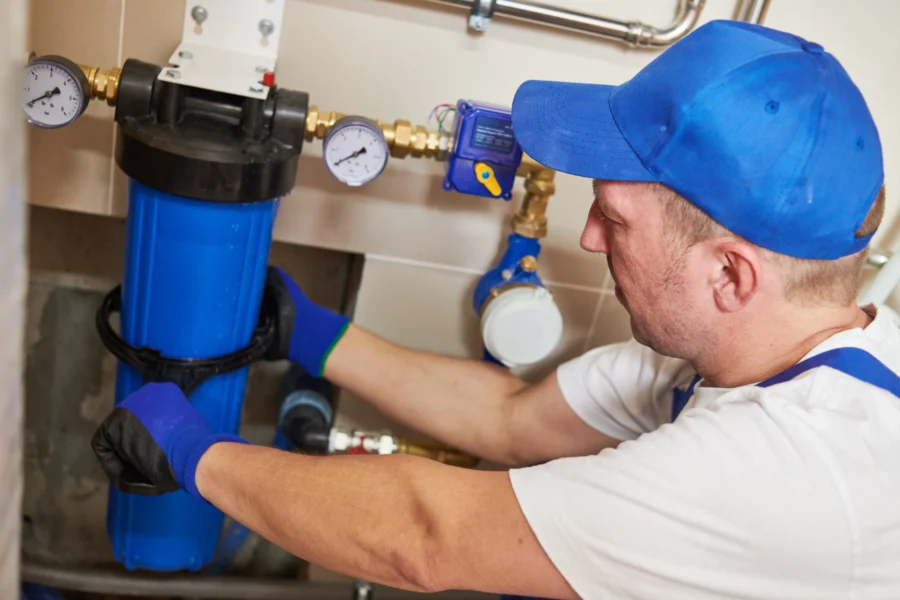
    For certain applications, uv disinfection systems offer a chemical-free method of treating water by exposing microorganisms to ultraviolet light. When designed and maintained correctly, UV treatment can inactivate many bacteria, viruses, and other microorganisms.

    UV treatment doesn’t remove hardness, sediment, or dissolved chemicals, though. That’s an important point that sometimes gets lost in the excitement around new technology. If incoming water contains substantial sediment, prefiltration may be necessary to protect the UV system and allow the light to work effectively.

    In other words, UV can be an excellent part of a treatment strategy, but it isn’t automatically a complete solution for every water-quality problem.

    Don’t Judge Water by Taste Alone

    Taste is useful information, but it isn’t a laboratory test.

    Chlorine, for example, can give municipal water a noticeable smell or taste, particularly after changes in treatment conditions. Activated carbon filtration is commonly used to reduce chlorine and improve taste and odor.

    Other issues are less obvious. Some contaminants have no noticeable taste, color, or smell. That’s why relying entirely on your senses can create a false sense of security.

    A glass of water can taste perfectly ordinary and still deserve testing. On the flip side, water that tastes slightly different isn’t necessarily unsafe. Context matters, and laboratory results are much more reliable than first impressions.

    Choosing Between Point-of-Use and Whole-Home Treatment

    One of the practical decisions homeowners face is deciding where treatment should happen.

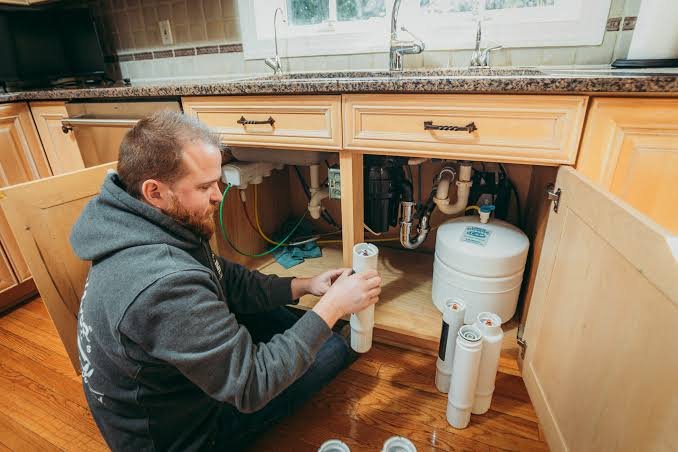
    Point-of-use systems treat water at a specific location, such as a kitchen faucet. They’re often useful when the main concern is drinking and cooking water. Reverse osmosis systems, carbon filters, and some specialty purification systems commonly fit into this category.

    Whole-home systems treat water as it enters the property. This approach can make more sense when the problem affects showers, laundry, appliances, and other fixtures—not just drinking water.

    There’s no universal winner. Treating every gallon of household water can be unnecessary if your concern is limited to drinking water. On the other hand, a kitchen-only filter won’t address scale developing throughout the house.

    Think about how the water is actually being used. That’s often the best clue.

    Maintenance Matters More Than People Think

    A treatment system can only perform as well as its maintenance routine allows. Filters eventually become saturated. UV lamps have service intervals. Softening equipment requires attention to its operating components and media. Storage tanks and connections can also need inspection.

    Skipping maintenance is tempting when everything appears to be working normally. But water-treatment equipment can quietly lose efficiency before the problem becomes obvious.

    Keep a simple calendar for filter changes, inspections, and professional servicing. If your water suddenly changes in taste, smell, pressure, or appearance, don’t simply assume the equipment is fine. Investigate it.

    Small maintenance tasks are usually easier—and cheaper—than fixing a neglected system later.

    Think About Efficiency, Too

    Modern homeowners are increasingly interested not only in water quality but also in resource use. Some treatment technologies consume water during regeneration or purification, while others use electricity or require replacement components.

    When comparing systems, look beyond the purchase price. Consider installation, ongoing maintenance, replacement filters, energy use, and water consumption. A slightly more expensive system may have lower operating costs over several years.

    It’s also worth asking whether the system has been properly sized. Bigger isn’t automatically better. Oversized equipment can cost more without providing meaningful additional benefits, while undersized equipment may struggle to keep up with household demand.

    A Thoughtful Approach to Better Water

    There is no single definition of perfect household water. One family may care most about taste. Another may be dealing with scale, sediment, or microorganisms. A home supplied by a private well can face a completely different set of concerns from an apartment connected to a municipal system.

    That is why good water treatment begins with understanding rather than shopping.

    Test first. Identify the actual issue. Choose technology that addresses it, and then maintain that equipment properly. It sounds simple, and honestly, it is. The complicated part is resisting the urge to believe every water problem requires the same expensive solution.

    Good water doesn’t need to be mysterious. With reliable testing, sensible equipment choices, and regular maintenance, homeowners can build a treatment setup that fits their water, their household, and their everyday routines. Sometimes the best improvement isn’t the fanciest system in the showroom. It’s simply the one that solves the right problem.

  • Choosing the Right Water Heating and Cooling Options for Everyday Life

    Choosing the Right Water Heating and Cooling Options for Everyday Life

    Hot water is one of those household conveniences you barely notice until it disappears. A cold shower on a busy morning has a funny way of making you appreciate modern plumbing very quickly. The same goes for drinking water. When the water cooler is empty or the tap has an unpleasant taste, even a simple glass of water can become an annoyance.

    The good news is that today’s homes and workplaces have more options than ever for managing hot and cold water. From traditional storage tanks to newer heating technology and convenient hydration systems, there are practical choices for different spaces, budgets, and daily routines.

    The trick is not choosing whatever looks newest or most impressive. It’s choosing something that actually fits the way you live or work.

    Understanding Your Hot Water Needs

    Before replacing a water heating system, it helps to look at how much hot water your household really uses. A family of five with several bathrooms will have very different demands from a person living alone in a small apartment.

    Traditional water heaters store a supply of heated water in a tank, making hot water available when needed. They remain popular for a reason. They’re familiar, widely available, and can provide a reliable amount of hot water for normal household activities such as bathing, washing dishes, and doing laundry.

    However, storage tanks do have limitations. Once the stored hot water is used, the household may need to wait while more water is heated. The tank also occupies physical space, which can matter in smaller homes, utility rooms, garages, or commercial properties.

    When a Tankless System Makes Sense

    For homeowners who want to rethink the traditional approach, tankless technology offers an interesting alternative.

    Instead of storing a large volume of hot water, tankless water heaters heat water as it passes through the system. There’s no large storage tank constantly holding heated water, which can help reduce standby energy losses associated with conventional storage systems.

    That doesn’t automatically make tankless the perfect solution for every property, though.

    Flow rate matters. If several showers, sinks, and appliances demand hot water at the same time, the system needs enough capacity to handle that demand. Installation requirements can also vary depending on whether the unit is gas-powered or electric.

    There’s another consideration people sometimes forget: household habits. A tankless system can be highly convenient, but choosing the right size is critical. The cheapest unit isn’t necessarily the best bargain if it can’t comfortably keep up with your morning rush.

    Think Beyond the Initial Price

    When people compare water heating systems, they often focus on the purchase price. That makes sense, but it’s only part of the story.

    A better comparison includes installation, expected operating costs, maintenance, lifespan, available space, and the amount of hot water the system can provide. A system with a higher upfront cost may make sense if it offers meaningful advantages over many years.

    On the other hand, spending more simply because a product has newer technology doesn’t guarantee better value.

    The right question is less “What is the most advanced system?” and more “What system makes sense for this property?”

    That small change in thinking can prevent a surprisingly expensive mistake.

    Hot Water Should Be Comfortable, But Also Safe

    Temperature matters for more than comfort. Water that’s too hot can create a serious scalding risk, particularly for young children and older adults.

    A properly installed system should include appropriate temperature controls and safety components. Plumbing professionals can also help homeowners understand how the system should be set and maintained.

    It’s worth paying attention to warning signs, too. Water that suddenly becomes unusually hot, inconsistent temperatures, strange noises, leaks, or visible corrosion shouldn’t simply be ignored. A water heater rarely improves because someone decided to “give it another few months.”

    Small problems can become bigger ones when heat, pressure, and plumbing are involved.

    Drinking Water Deserves Its Own Consideration

    Heating water and providing good drinking water are two separate needs, even though they both involve the same household supply.

    Many people still rely heavily on disposable plastic bottles because they want convenient, chilled drinking water. It works, but there’s a downside: bottles need to be purchased, transported, stored, and eventually discarded.

    A workplace, school, gym, or busy commercial setting can go through an astonishing number of bottles over time.

    That’s one reason bottle-free coolers have become an appealing alternative. Connected directly to a water supply, these systems can provide chilled drinking water without requiring constant deliveries of bottled water. Depending on the model, filtration may also be incorporated into the system.

    For businesses, the convenience can be particularly noticeable. There’s no need to dedicate storage space to cases of bottled water, and employees aren’t constantly discovering that the last bottle disappeared just before lunch.

    Choosing a Cooling System for the Right Environment

    Not every water cooler needs to serve the same purpose.

    A small office may need a compact unit for a handful of employees. A larger workplace could require higher dispensing capacity. Public-facing environments may need something durable enough to handle frequent use throughout the day.

    Placement matters as well. Think about access to plumbing, electrical power, available floor space, and the number of people likely to use the system.

    A water cooler tucked away in an inconvenient corner won’t encourage hydration, no matter how impressive the equipment happens to be.

    Sometimes the simplest installation is the one people actually use.

    Maintenance Is Part of the Deal

    Whatever system you choose, maintenance should be considered before installation rather than after something stops working.

    Water heaters can develop sediment buildup, corrosion, pressure issues, or component failures. Tankless units may require periodic attention to maintain efficient operation. Drinking-water equipment also needs regular cleaning and filter replacement where applicable.

    A maintenance schedule doesn’t have to be complicated. The important thing is consistency.

    If a system includes filters, find out how often they need replacing and whether replacement parts are easy to obtain. If professional servicing is recommended, understand those costs upfront.

    Good maintenance is rarely exciting, but it tends to be cheaper and less stressful than emergency repairs.

    Matching Technology to Real Life

    There’s no single answer for every household or business. A conventional water heater might be exactly right for one property, while a tankless system may make more sense for another. Likewise, bottled water may still be useful in certain situations, while a plumbed cooling system could be a better long-term fit for a busy workplace.

    The best choice starts with understanding your actual needs.

    Consider daily demand, available space, installation requirements, energy use, maintenance, and long-term costs. Then look at which technology addresses those needs without adding unnecessary complexity.

    It’s easy to get distracted by shiny features and impressive product descriptions. But practical equipment doesn’t need to be flashy. It needs to work reliably, fit the space, and make everyday life a little easier.

    And really, that’s the point. Whether you’re stepping into a warm shower before work or filling a cold glass of water during a hectic afternoon, these systems should quietly do their jobs in the background. When they’re chosen thoughtfully and cared for properly, you get something better than fancy technology — you get dependable comfort, day after day.

  • Choosing the Right Water Treatment System for the Way You Live

    Choosing the Right Water Treatment System for the Way You Live

    Water treatment sounds straightforward until you start looking at the options. Suddenly, there are softeners, filters, purification systems, different media, different technologies, and a whole collection of terms that can make a simple household problem feel like a science project.

    The truth is, most homeowners don’t need the most complicated system available. They need the right one.

    That distinction matters. A family dealing with hard water has a different problem from someone worried about sediment, unpleasant odors, or specific contaminants. The best water treatment setup begins by understanding what is happening in your water and then choosing equipment that addresses that particular concern.

    Don’t Start With a Product—Start With the Problem

    One of the easiest mistakes to make is shopping for a treatment system before testing the water. It feels productive, but it can lead you in the wrong direction.

    Think about it like taking medicine without knowing what’s wrong. You might get lucky, but it’s not exactly a smart strategy.

    A water test can reveal hardness, mineral content, sediment, pH, iron, and other characteristics that influence treatment choices. For households using well water, testing can be especially helpful because water chemistry may vary considerably from one property to another.

    Even with municipal water, testing can provide useful information. Your local supply may be treated properly, yet your home’s plumbing, fixtures, or building age can still affect what comes out of the tap.

    Understanding the Difference Between Softening and Filtration

    Softening and filtration often get lumped together, but they serve different purposes.

    A water softener is primarily concerned with hardness minerals such as calcium and magnesium. Hard water can leave spots on glassware, create scale around faucets, interfere with soap lather, and contribute to buildup inside water-using appliances.

    When comparing salt-based and salt-free systems, it’s important to understand that these technologies aren’t necessarily doing the exact same job. Traditional salt-based softeners use ion exchange to remove hardness minerals. Salt-free approaches generally condition water to reduce the tendency of minerals to form scale rather than removing those minerals in the same way.

    Neither choice should be made purely because one sounds more modern or one has fewer maintenance requirements. Household water chemistry, usage, plumbing conditions, and personal priorities all matter.

    Whole-Home Filtration Can Change the Everyday Experience

    There’s something satisfying about turning on a tap and simply trusting the water. No strange smell. No cloudy appearance. No wondering why the water tastes different today.

    For homeowners concerned about sediment, chlorine taste, odors, or other specific issues, whole-home filtration systems can provide treatment at the point where water enters the property. Instead of treating only one faucet, the system can address water used throughout the house.

    That can make a noticeable difference in showers, laundry, cooking, and general household use.

    But again, filtration technology should match the problem. A sediment filter isn’t designed to handle every dissolved contaminant. A carbon-based filter has strengths and limitations of its own. Choosing equipment based on a water analysis is much more sensible than buying a system simply because it has an impressive list of features.

    Your Kitchen May Need Something Extra

    Whole-house treatment doesn’t always mean your drinking water needs no additional treatment. In some homes, homeowners prefer an extra purification stage for water used directly for drinking and cooking.

    This can be particularly useful when there are specific dissolved substances or taste concerns that aren’t fully addressed by standard whole-house filtration.

    Reverse osmosis, for example, can provide a more intensive treatment process for drinking water. Depending on the water source and treatment goals, other technologies may also be appropriate.

    The important thing is not to assume that one system must do everything. A combination of treatments can sometimes be more practical, more efficient, and easier to maintain.

    Specialty Problems Need Specialty Solutions

    Some water-quality problems don’t fit neatly into the basic categories of hard water and filtration. Iron staining, sulfur odors, unusual mineral concentrations, or certain well-water challenges can require more targeted treatment.

    That’s where specialty systems can make sense. These systems are selected according to a particular water chemistry issue rather than being used as an all-purpose solution.

    For instance, orange or reddish stains around sinks and toilets may point toward iron in the water. A rotten-egg-like odor may indicate hydrogen sulfide. Neither problem should be treated as if it’s simply ordinary hard water.

    Testing is what separates guesswork from a useful solution.

    Consider What Happens After Installation

    Buying the equipment is only one part of the process. Installation quality matters, and so does maintenance.

    Filters eventually become saturated. Media can lose effectiveness. Components wear down. Settings may need adjustment as household water usage changes.

    A system that isn’t maintained properly can gradually deliver weaker performance, even if the original equipment was excellent. It’s easy to overlook this because water treatment equipment usually works quietly in the background. There’s no dashboard flashing at you when a filter needs attention.

    For that reason, homeowners should understand replacement schedules and ongoing service requirements before purchasing. Ask what needs to be changed, how often it should happen, and what maintenance typically costs.

    Think About Water Pressure and Space, Too

    There’s another practical detail that doesn’t get enough attention: your home’s physical setup.

    Some treatment systems require more installation space than others. Certain filters may need adequate clearance for cartridge changes or servicing. A system can also affect flow depending on its design, sizing, and condition.

    If your home already has low water pressure, adding treatment equipment without considering the existing plumbing could create frustration.

    A good installation plan should look at the whole picture, including incoming water pressure, pipe size, drainage, electrical requirements, available space, and the number of people regularly using water in the home.

    Don’t Let the Sales Pitch Make the Decision

    Water treatment is an industry with plenty of impressive-sounding claims. Some are useful; others are mostly marketing.

    Be cautious about promises that sound too absolute. No single treatment technology solves every water-quality problem, and no system should be recommended without understanding the water it’s expected to treat.

    Ask practical questions instead. What does the system remove or reduce? What doesn’t it address? How often do components need replacement? What happens if the equipment isn’t maintained? Is the system properly sized for the home?

    Clear answers are usually a better sign than a long sales presentation.

    The Best System Is the One That Fits Your Home

    There isn’t one perfect water treatment system for every household. That’s actually good news.

    It means you don’t have to force your home into a one-size-fits-all solution. Start with testing, understand the problem, consider how your family uses water, and then choose technology that addresses those needs.

    Maybe you need softening. Maybe filtration is enough. Perhaps drinking water deserves an additional treatment stage, or a specific water chemistry issue calls for specialty equipment.

    The smartest choice is rarely the system with the longest feature list. It’s the one that quietly solves the problems you actually have, fits your home, and can be maintained without becoming another chore on an already busy list.

    Good water treatment should make everyday life easier. Once you’ve found that balance, you may barely think about the equipment at all—and honestly, that’s probably the point.

  • What Good Water Quality Really Looks Like at Home

    What Good Water Quality Really Looks Like at Home

    Water is one of those things most of us take for granted. Turn on the tap, fill a glass, and get on with the day. But when the water starts tasting strange, leaves spots on your dishes, or makes your shower feel a little different, you suddenly notice just how much you rely on it.

    Good water quality isn’t necessarily about chasing some idea of “perfect” water. It’s about having water that suits your household, feels pleasant to use, and is treated appropriately for the issues found in your supply. And sometimes, improving it is less complicated than people imagine.

    Pay Attention to the Small Signs

    Your home often gives you clues before you ever order a water test.

    Maybe there’s a metallic taste in your morning coffee. Perhaps the water has a faint chlorine smell, or you’ve noticed cloudy deposits around faucets. White crust on a kettle or showerhead can also point toward mineral buildup associated with hard water.

    None of these signs automatically means your water is unsafe. That’s an important distinction. Taste, odor, hardness, and contamination are different issues, and they don’t always overlap.

    Still, changes in water quality are worth investigating, particularly if the problem appeared suddenly. A basic water analysis can help separate a harmless nuisance from something that deserves more attention.

    Start With Testing

    It’s tempting to search online for a filter based on whatever problem you’ve noticed. But buying equipment first and figuring out the water later can be an expensive way around the problem.

    Testing provides a clearer starting point.

    Depending on your water source, testing may look at factors such as hardness, pH, iron, chlorine, sediment, dissolved minerals, and other contaminants. Private well owners generally have additional reasons to test regularly because groundwater conditions can change over time.

    The results don’t need to be intimidating. Think of a water test as a diagnosis. Once you understand what’s actually present, choosing treatment becomes much more logical.

    Taste Matters, Too

    Safety should always come first, but taste and smell shouldn’t be dismissed either. If your family avoids drinking tap water because it doesn’t taste pleasant, you’re more likely to spend money on bottled water or rely heavily on packaged drinks.

    Sometimes the issue is relatively straightforward. Chlorine, certain minerals, sulfur compounds, or organic material can influence the taste or odor of water. The right filtration method can reduce those problems and make tap water considerably more appealing.

    For many households, cleaner, better-tasting water isn’t about creating some luxurious lifestyle upgrade. It’s simply about making everyday water something people actually want to drink.

    There’s a practical benefit here, too. When good-tasting water is readily available at home, staying hydrated becomes a little easier. No grand wellness strategy required.

    Different Problems Need Different Solutions

    One of the biggest misunderstandings about residential water treatment is the idea that one filter can handle everything.

    It can’t.

    Carbon filtration may be useful for improving chlorine taste and odor. Sediment filters can capture particles such as sand or rust. Water softeners are designed primarily to reduce hardness caused by minerals like calcium and magnesium. Reverse osmosis systems can reduce a broad range of dissolved substances from drinking water.

    These technologies aren’t competing with one another. They’re tools for different jobs.

    That’s why a proper assessment matters. A household with hard water may need something quite different from a home dealing mainly with unpleasant taste or sediment.

    Whole-Home or Drinking-Water Treatment?

    Another question is where treatment should happen.

    If the main concern involves water throughout the property, point-of-entry treatment can make sense. This approach treats water before it travels through the home’s plumbing, meaning multiple fixtures receive treated water.

    On the other hand, if your biggest priority is drinking and cooking water, point-of-use treatment at the kitchen sink may be sufficient.

    There isn’t a prize for treating more water than you need. The better approach is to match the system to your actual priorities.

    A family might want treated water for showers and laundry because of hardness while also choosing an additional drinking-water filter for the kitchen. Another household may only need filtration at one faucet. Both approaches can be perfectly reasonable.

    Consider Your Plumbing and Appliances

    Water quality affects more than what comes out of your drinking glass.

    Hard water can contribute to scale inside water heaters, dishwashers, washing machines, coffee makers, and plumbing fixtures. Sediment can also create problems when it accumulates in pipes or equipment.

    This doesn’t mean every mineral deposit is a crisis. Homes naturally experience some buildup over time. But persistent scale can become frustrating, especially when you’ve just cleaned a faucet and the white residue returns a few days later.

    A suitable treatment system can help reduce these headaches, but installation should be approached thoughtfully. Flow rate, pipe size, available space, drainage, and household water demand all matter.

    Don’t Forget Maintenance

    Even a well-designed treatment setup needs some attention.

    Filters have to be replaced. Storage tanks and other components may need periodic inspection. Some systems require cleaning or sanitation, while softeners may need salt replenishment depending on the design.

    Skipping maintenance is one of the easiest ways to turn a useful system into a disappointing one.

    Before buying anything, ask how frequently components need service and what those replacements typically cost. Find out whether parts are readily available and whether professional support is offered if something goes wrong.

    A system isn’t really a bargain if keeping it operational becomes a constant struggle.

    Choosing a Provider Matters

    The equipment is important, but the people behind it matter too.

    A good water-treatment professional should ask questions before recommending a product. What is your water source? What problems have you noticed? How many people live in the home? Are you concerned about drinking water, bathing water, appliances, or all three?

    Those questions aren’t unnecessary paperwork. They’re part of designing an appropriate solution.

    Be cautious of anyone who promises that a single product will solve every possible water problem without testing or assessment. Water chemistry is too varied for that kind of one-size-fits-all approach.

    Reliable water treatment systems should be selected according to actual water conditions, not simply because they’re popular or heavily advertised.

    Think Long Term

    The best treatment decision isn’t necessarily the cheapest system you can install this month. Look at the bigger picture.

    Consider installation, replacement filters, electricity or water usage where applicable, maintenance, expected lifespan, and service availability. A slightly higher upfront investment may make sense if the equipment is durable and easier to maintain.

    More importantly, think about how the system fits your everyday life. You shouldn’t need to constantly remember complicated procedures just to get decent water from the tap.

    A Better Relationship With Your Water

    Water treatment doesn’t have to become a hobby. In fact, when the right system is selected and maintained properly, it should mostly disappear into the background.

    The goal is simple: water that tastes pleasant, supports your household routines, and causes fewer problems for your plumbing and appliances.

    Start with testing. Understand the issue. Choose treatment technology that addresses that issue. Then maintain it properly.

    Sometimes the smartest home improvement isn’t the one you can see. It’s the quiet change that makes mornings easier, showers more enjoyable, and that ordinary glass of water taste just right.

  • How to Research a Home Repair Company Before Letting Them Into Your Home

    Hiring someone to repair, clean, inspect, or improve your home often starts online. A quick search can produce dozens of companies, each with polished photos, strong claims, and a list of services. The difficult part is deciding which information is useful and which information needs a closer look.

    Whether you need a plumber, roofer, electrician, HVAC technician, or renovation contractor, a little research can reduce the chance of surprise costs, incomplete work, or poor communication. You do not need to become an expert in every trade. You simply need a practical way to compare the people and companies you are considering.

    Start With the Actual Problem

    Before contacting companies, write down what you have noticed. Include when the issue started, where it appears, and whether it is getting worse. For example, a homeowner dealing with a ceiling stain should note whether it appears after rain, near a bathroom, or below an upstairs appliance.

    Photos and short videos can also be useful. They may help a contractor understand the concern before visiting, although a professional should not make a final diagnosis from a picture alone. Clear details help you ask better questions and compare estimates more fairly.

    It is also helpful to separate an urgent repair from a project that can wait. A gas smell, active leak, electrical sparking, or damaged roof after a storm may require immediate professional attention. Cosmetic updates and minor repairs usually give you more time to research your options.

    Check Whether the Company Clearly Explains Its Services

    A reliable company website should make it reasonably easy to understand what work the business performs. You should be able to find its service area, contact information, basic descriptions of its work, and details about how appointments or estimates are handled.

    Be careful with vague claims such as “we fix everything” if there is no explanation of the company’s experience or process. A general contractor may handle a wide range of projects, but certain work may require licensed specialists. Electrical, plumbing, structural, and major HVAC work can involve permits, inspections, or local licensing rules.

    Good information does not need to be complicated. A company that explains the scope of its services in plain language is usually easier to communicate with when your project begins.

    Look Beyond the Star Rating

    Reviews can be useful, but the overall score is only one part of the picture. Read several recent reviews and look for repeated comments about punctuality, cleanliness, workmanship, estimates, and follow-up. A pattern is generally more meaningful than one very positive or very negative review.

    Pay attention to how a business responds when a customer reports a problem. Not every project goes perfectly, and an occasional complaint does not automatically mean a company should be avoided. However, dismissive replies, arguments, or a repeated lack of response may tell you something about how the company handles concerns.

    Also remember that online reviews are not a substitute for asking questions directly. They can help you create a short list, but the estimate process should help you make the final decision.

    Why Helpful Online Information Matters

    Home repair decisions are easier when businesses share useful information instead of relying only on sales language. Articles explaining maintenance, warning signs, material choices, and realistic project timelines can help homeowners understand what they are paying for.

    For smaller local businesses, publishing knowledgeable content on relevant websites can also help people find practical advice and learn who is active in a particular field. Some businesses use a guest posting service to place educational articles on suitable sites. The important point for readers is to judge the information on its quality: it should be specific, balanced, and honest about what a repair can and cannot solve.

    A useful article should never replace an inspection when there is a serious problem. Still, it can give you a stronger starting point before you call a professional.

    Ask About Licensing, Insurance, and Permits

    The requirements for contractors vary by location and by type of work. Before hiring, ask whether the company holds the licenses required for your area and trade. If a permit may be needed, ask who will obtain it and whether inspections are included in the project plan.

    Insurance matters too. A contractor working in your home should be able to explain its liability coverage and, where applicable, workers’ compensation coverage. This is not an awkward question. It is a normal part of hiring someone to work on a valuable property.

    Do not assume a company is properly qualified simply because it has a professional-looking website or a large number of social media followers. Documents, local records, and direct answers are more useful than appearances.

    Get a Clear Written Estimate

    An estimate should explain the work in enough detail for you to understand what is included. For a repair, it may identify the problem being addressed, labor, materials, cleanup, and any possible additional work. For a larger renovation, it should also cover payment stages, allowances, project timing, and change-order procedures.

    When comparing estimates, do not look only at the bottom-line price. One quote may include better materials, permit fees, disposal, or a more complete repair. Another may appear cheaper because important items are missing. Ask each contractor to clarify differences before making a decision.

    You should also understand whether the price is fixed, estimated, or based on time and materials. Unexpected conditions can happen inside walls, under floors, or on older roofs. A trustworthy contractor will explain how those discoveries will be documented and approved before extra costs are added.

    Notice Communication Before the Work Starts

    The early conversations often show what working with a company will be like. Does the business return calls? Does it arrive for the estimate when promised? Are your questions answered clearly? Does the person inspecting the problem listen before recommending a solution?

    Good communication does not mean a contractor can answer every question immediately. Some answers require measurements, research, or an inspection. It does mean you should receive reasonable updates and straightforward explanations.

    Be cautious if you feel pressured to sign immediately, pay the full amount upfront, or approve work you do not understand. Urgent repairs can require quick action, but you should still receive a clear explanation of the immediate risk and the proposed next step.

    Check Warranties and Final Details

    Before work begins, ask what warranty applies to labor and materials. A warranty should be described in writing and should explain its duration and limits. It is also worth asking who to contact if an issue appears after the job is finished.

    At the end of the project, review the work before making the final payment. Make sure the work area has been cleaned, requested repairs have been completed, and you have received relevant receipts, manuals, permit records, or warranty documents.

    Choosing a home repair company takes a little time, but it is time well spent. By understanding your problem, checking qualifications, comparing written estimates, and paying attention to communication, you can make a more confident decision. The best contractor is not necessarily the cheapest or the most visible online. It is the one that provides clear information, performs suitable work, and treats both you and your home with respect.

  • What Should You Know Before Choosing Air Duct Cleaning in Cypress?

    What Should You Know Before Choosing Air Duct Cleaning in Cypress?

    Clean air ducts can make a home feel more comfortable. Over time, dust, dirt, and other small particles can collect inside the duct system. When this happens, the air moving through your home may carry some of that buildup with it. Choosing a duct cleaning service is not something you should rush. Different companies may offer different levels of service, tools, and experience. Knowing what to look for can help you make a better choice. If you live in Cypress, it is also helpful to choose a company that understands local homes and common duct systems. A little research before booking can save you from poor service later.

    Why Does Air Duct Cleaning Matter?

    Your home’s duct system helps move heated or cooled air from one area to another. Since air moves through the ducts many times, dust can collect inside the system over time. Not every home needs frequent duct cleaning. However, certain signs may suggest that your ducts need attention. Visible dust around vents, unusual odors, or a noticeable buildup can be reasons to have the system checked. A proper cleaning can remove dirt and debris from areas that are difficult to reach during normal home cleaning. This can help keep the duct system cleaner.

    What Is Air Duct Cleaning?

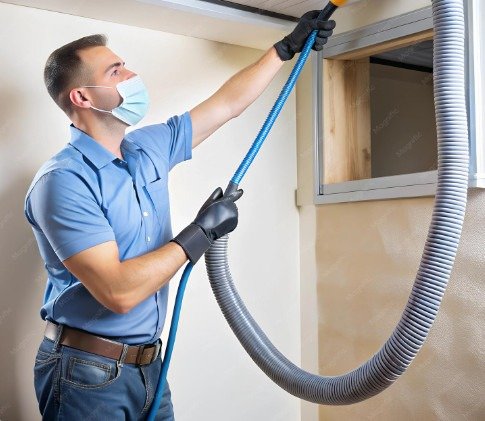
    Air duct cleaning cypress is the process of removing dust, dirt, and other debris from parts of a home’s heating and cooling duct system. Professional cleaners use special tools to reach areas that are not easy to clean by hand. The work may include cleaning supply vents, return vents, registers, and other parts of the system. The exact service can depend on the home’s duct design and condition. A professional should explain what will be cleaned before starting. This helps you understand what the service includes and what you are paying for.

    How Does the Cleaning Process Work?

    The process can vary from one company to another. A technician will usually inspect the system first and look for visible dirt or other problems.

    Special cleaning tools can then be used to loosen and remove buildup. The goal is to clean the ductwork without damaging the system. After the work is complete, the technician should check the area and make sure the job has been finished properly. A clean work area is also an important part of good service.

    Does Every Home Need Duct Cleaning?

    No, every home does not need the same cleaning schedule. The condition of the duct system, home environment, and HVAC use can all affect how often cleaning may be useful. If your ducts look clean and your system works normally, frequent cleaning may not be necessary. A professional inspection can help you decide. It is better to focus on the actual condition of your system rather than following a fixed schedule without checking what your home needs.

    What Should You Look for in a Cypress Duct Cleaning Company?

    The company you choose should have experience with residential duct systems. It should also explain its service clearly and answer your questions before the work begins. Look for a company that provides clear information about the cleaning process. You should know what areas will be cleaned and whether any additional services may cost extra. Good communication is also important. A professional company should respect your time, your home, and your questions throughout the service.

    Should Experience Matter?

    Yes, experience can be helpful when choosing a duct cleaning company. Different homes can have different duct layouts, and some systems may be harder to access than others. An experienced technician may be better prepared to handle these differences. They may also notice problems that are easy to miss. However, do not judge a company only by how long it has been in business. Look at its service quality, customer reviews, communication, and overall reputation too.

    What Kind of Equipment Should a Company Use?

    Professional duct cleaning requires suitable equipment. Basic household cleaning tools may not be enough to reach deep inside a duct system. A professional company should use tools designed for duct cleaning. The equipment should allow technicians to remove buildup while working carefully around the system. You can ask the company what equipment it uses before booking. A good business should be able to explain this without making the answer confusing.

    How Can You Tell if Your Air Ducts Need Cleaning?

    There are several things that may suggest your duct system needs attention. One common sign is a visible buildup of dust around vents or registers. You may also notice unusual smells when the heating or cooling system is running. In some homes, dust may seem to return quickly after cleaning.

    These signs do not always mean the ducts are dirty. Other parts of the HVAC system can cause similar problems. That is why an inspection can be useful.

    Can Dust Around Vents Be a Warning Sign?

    Dust around a vent does not always mean the entire duct system is dirty. Dust can collect on the surface of vents for many normal reasons. However, heavy or repeated buildup may be worth checking. A technician can inspect the system and determine whether cleaning is needed. It is important not to assume that every dusty vent requires a full duct cleaning. The actual condition of the system should guide the decision.

    What About Strange Smells?

    Unusual odors coming from vents can have different causes. Dust, moisture, or other issues may sometimes affect the smell of air moving through the system.

    If a strange smell continues, it is a good idea to find the cause instead of simply covering it with air fresheners. A professional can inspect the duct system and help determine whether the ducts are part of the problem.

    How Much Does Air Duct Cleaning Cost?

    The cost of duct cleaning can vary from one home to another. The size of the home, duct layout, system condition, and amount of work can all affect the price.

    Some companies may provide a basic starting price. Others may want to inspect the system before giving you a final quote. Always ask what the quoted price includes. This makes it easier to compare companies and avoid unexpected charges later.

    Why Can Prices Be Different?

    Not all duct systems require the same amount of work. A small home with easy-to-reach ducts may take less time than a larger home with a complex layout.

    The condition of the system can also affect the amount of work required. Heavy buildup may take more time to remove. A higher price does not automatically mean better service. The best choice is usually based on the quality and value of the complete service.

    Should You Choose the Cheapest Company?

    Price is important, but it should not be the only thing you consider. A very low price may sometimes mean that the service includes only limited cleaning. Before choosing the cheapest option, compare what each company actually provides. Look at the cleaning process, equipment, experience, and customer service. A fair price for careful work can be a better value than a cheap service that does not meet your needs.

    What Questions Should You Ask Before Booking?

    Asking a few simple questions can help you understand the service. You can ask what parts of the system will be cleaned and how the technician will do the work. It is also helpful to ask about the estimated cost and appointment time. If there may be extra charges, ask when those charges would apply.

    A professional company should welcome reasonable questions. Clear answers can help you feel more comfortable before allowing someone to work in your home.

    Will the Company Inspect the Ducts First?

    A basic inspection can help the technician understand the condition of the system. It can also help identify areas that may need special attention.

    The technician should not simply assume that every home needs the same treatment. Your duct system should be looked at before the work begins. An inspection can also help you understand whether cleaning is actually needed. This can prevent unnecessary services.

    How Long Does the Cleaning Take?

    The time needed for cleaning depends on the size and design of the duct system. A small and simple system may take less time than a larger one. The amount of dirt and debris can also affect the work time. Your technician should be able to give you a general estimate. Do not be concerned if the exact time is not known before the inspection. Every home can be different.

    Is Local Service Better?

    Choosing a local company can make communication easier. You may be able to schedule service more conveniently and contact the business quickly if you have questions. A local business may also understand common home styles and HVAC systems in the Cypress area. Still, being local does not automatically mean a company provides good service. You should still check its experience, reviews, pricing, and communication.

    Why Read Customer Reviews?

    Reviews can give you an idea of what previous customers experienced. Look for comments about the quality of work, communication, timing, and professionalism. Do not focus only on the star rating. Read the actual comments when possible. They can provide more useful information about the company. Recent reviews may also give you a better idea of how the company currently operates.

    Can Recommendations Help?

    Personal recommendations can be useful when choosing a home service company. A friend, neighbor, or family member may be able to share a real experience.

    However, you should still do your own research. One person’s experience may not be the same as yours. Compare recommendations with reviews and information from the company. This gives you a more complete picture before making a decision.

    What Should a Professional Technician Do?

    A professional technician should arrive prepared and treat your home with care. They should explain the work before starting and answer any questions you may have. The technician should also use suitable equipment and work carefully around the duct system. They should avoid causing unnecessary damage or mess. After the cleaning, the technician should explain what was done. If they noticed another issue, they should tell you clearly rather than hiding the problem.

    Should the Technician Explain Problems?

    Yes, clear explanations are important. If a technician finds damage, moisture, or another concern, you should understand what they found. You should not feel pressured to approve extra work without an explanation. Ask what the problem is and why the recommended service may be needed. A trustworthy technician will give you useful information and allow you to make your own decision.

    Does Clean Work Matter?

    Yes, the cleaning process should not leave your home unnecessarily messy. Technicians may need to access vents and other areas, so some preparation may be needed.

    A professional should take reasonable steps to protect the work area. They should also clean up when the service is finished.

    Respect for your home is a simple sign of good customer service.

    Can Air Duct Cleaning Improve Airflow?

    Dirty ducts can sometimes contain buildup that affects the movement of air. However, airflow problems can also come from filters, vents, HVAC equipment, or other issues. Because of this, duct cleaning should not be presented as a solution to every airflow problem. If your airflow seems weak, ask a professional to inspect the system. They can help determine what may be causing the issue.

    Can Cleaning Make the HVAC System Work Better?

    A clean duct system can help remove unwanted buildup from the areas where air travels. This may be useful when dirt is affecting the system. However, duct cleaning cannot fix every HVAC problem. Mechanical issues, poor insulation, blocked vents, and old equipment can also affect performance. A good technician should explain what cleaning can and cannot do. Honest expectations are important when paying for home services.

    What Should You Avoid When Choosing a Company?

    Be careful with companies that make extreme promises or refuse to explain their services. You should understand what you are paying for before the work starts. Avoid choosing a company only because it offers the lowest price. Also be careful if the company pressures you into buying extra services. Take your time and compare your options. A few minutes of research can help you avoid a poor experience.

    Should You Be Careful With Very Low Prices?

    Yes, very low prices deserve a closer look. Sometimes a low advertised price may cover only a small part of the service. Ask what is included in the quoted price. Find out if additional work or fees may be added later. A clear quote is usually easier to trust than a price that sounds attractive but comes with many conditions.

    What About Companies That Pressure Customers?

    A professional company should give you time to make a decision. You should not feel forced to approve extra work immediately. If a technician finds an issue, ask for an explanation. You can also ask whether the recommended work is urgent or can be considered later. Good service is based on trust. Pressure can be a sign that you should take a step back and compare other options.

    How Can You Prepare for Duct Cleaning?

    You usually do not need to do anything complicated before a professional arrives. It can help to keep the areas around vents and the HVAC equipment easy to access. Move small items away from the work areas when possible. This can give the technician more room to work safely. You can also prepare your questions before the appointment. Having them ready can make the visit easier and more useful.

    What Should You Tell the Technician?

    Tell the technician about any changes you have noticed. This could include unusual smells, visible dust, weak airflow, or other concerns. These details can help the technician understand what to look for during the inspection. You should also mention any areas that are difficult to access. This gives the technician a better idea of what to expect.

    How Often Should Air Ducts Be Cleaned?

    There is no universal rule that says every home needs duct cleaning at the same time. Different homes have different needs. The condition of the ducts is more important than following a strict calendar. If there is visible buildup or another concern, an inspection may be helpful. Your HVAC professional can help you decide whether cleaning is needed based on your home’s actual condition.

    Can Regular Home Cleaning Replace Duct Cleaning?

    Normal cleaning can reduce dust around your home, but it cannot reach deep inside the ductwork. Vacuuming floors, cleaning vents, and changing filters are still useful parts of home care. They simply do a different job. If the duct system itself needs attention, professional cleaning may be necessary to reach areas that normal household cleaning cannot.

    Indoor Air Duct is a premier air quality service provider, committed to improving the air you breathe since 1995. With over two decades of experience and state-of-the-art technology, their talented team is dedicated to delivering healthier living spaces. Specializing in air duct, chimney, HVAC, and dryer vent cleaning services, Indoor Air Duct diligently removes dust, mold, and pollutants, offering a noticeably cleaner and refreshed environment for homes and businesses alike. Trust their expertise for a revitalized atmosphere and the peace of mind that comes with knowing your air is safe and pure. We understand your busy schedule and we are just a phone call away.

    Final Thoughts

    Choosing the right air duct cleaning service in Cypress starts with asking simple questions. Look for experience, clear pricing, proper equipment, good communication, and honest service. Do not choose a company based only on price or a quick promise. Take time to understand what the service includes and what the technician will actually do. Customer reviews can also help you compare your options. Look for real experiences and pay attention to comments about service quality and professionalism.

    Most importantly, choose a company that treats your home with care. A trustworthy technician should explain the process, answer your questions, and help you understand the condition of your duct system. With a little research, choosing the right company can be much easier. You can then book the service with greater confidence and know what to expect from the visit.

  • Water Treatment Solutions Designed for Homes, Businesses, and Industry

    Water Treatment Solutions Designed for Homes, Businesses, and Industry

    Clean, dependable water plays a bigger role in everyday life than most people realize. At home, it affects drinking water, showers, cooking, laundry, and appliances. In a business, water quality can influence operations, equipment performance, customer experience, and maintenance costs. In industrial environments, the stakes can be even higher.

    That’s why choosing the right water treatment approach isn’t simply about installing a filter and hoping for the best. Different properties have different water demands, and the right system needs to reflect those differences.

    Water Treatment That Fits the Setting

    A small family home obviously doesn’t need the same equipment as a hotel, restaurant, office building, or manufacturing facility. Water volume, quality concerns, plumbing design, usage patterns, and operational requirements all matter.

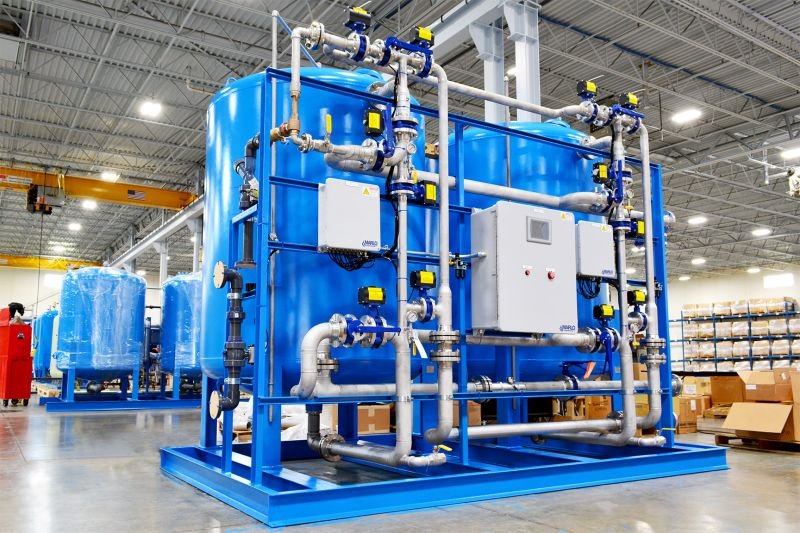
    Reliable residential, commercial, and industrial water treatment solutions are designed around these differences. Instead of forcing every customer into the same system, a professional approach begins by understanding the water and the environment in which it will be used.

    For homeowners, that might mean reducing hard-water scale and improving taste. Commercial properties may need dependable water for kitchens, bathrooms, laundry, or equipment. Industrial facilities can have much more specialized requirements, where consistency and system performance are essential.

    Residential Water Treatment: Better Water Where You Live

    At home, water quality is personal. You notice it when tap water tastes unusual, when your shower leaves mineral deposits behind, or when glasses come out of the dishwasher covered in spots.

    Hard water is one of the most common household concerns. Calcium and magnesium can create scale inside plumbing fixtures and appliances while leaving a white, crusty residue on surfaces.

    A properly selected treatment system can help address these issues while making everyday water more pleasant to use. Depending on the water quality and household needs, homeowners may consider filtration, drinking-water purification, or whole-home treatment.

    The important thing is not to assume that every home needs the same equipment. Testing the water first can make the decision much clearer.

    Water Softeners for Hard-Water Problems

    For households dealing specifically with hardness, water softeners remain an important treatment option. Traditional softeners use ion exchange to reduce calcium and magnesium, helping prevent scale from forming throughout the plumbing system.

    That can be particularly helpful for water heaters, washing machines, dishwashers, faucets, and shower fixtures. It may also make cleaning easier because there’s less mineral residue left behind.

    However, softening isn’t the answer to every water-quality concern. A softener is primarily designed to address hardness, not every dissolved contaminant or taste and odor issue. Understanding that distinction is important when choosing equipment.

    Refining Water for a Better Everyday Experience

    Some homeowners are looking beyond basic hardness control. They want water that tastes cleaner, smells better, and feels more pleasant throughout the house.

    This is where refiners can become part of a broader water-treatment strategy. Depending on the technology used, a refining system may be designed to improve certain characteristics of household water while providing a convenient whole-home solution.

    The terminology can vary from one company to another, so it’s worth asking exactly what a system is designed to reduce and what kind of performance you can reasonably expect. Clear explanations are far more useful than big promises.

    Commercial Water Treatment Requires Reliability

    Businesses have a different relationship with water. A restaurant depends on it for food preparation and cleaning. A hotel needs dependable water for guests. An office building uses water throughout the day for kitchens, restrooms, and general operations.

    In these environments, poor water quality can become an operational headache. Scale can affect equipment, mineral deposits can create extra cleaning work, and unpleasant taste or odor can affect customer perception.

    Commercial treatment systems therefore need to be selected with flow rates, water demand, peak usage, equipment requirements, and maintenance schedules in mind. A system that works beautifully in a house may not be suitable for a busy commercial property.

    Industrial Applications Demand Precision

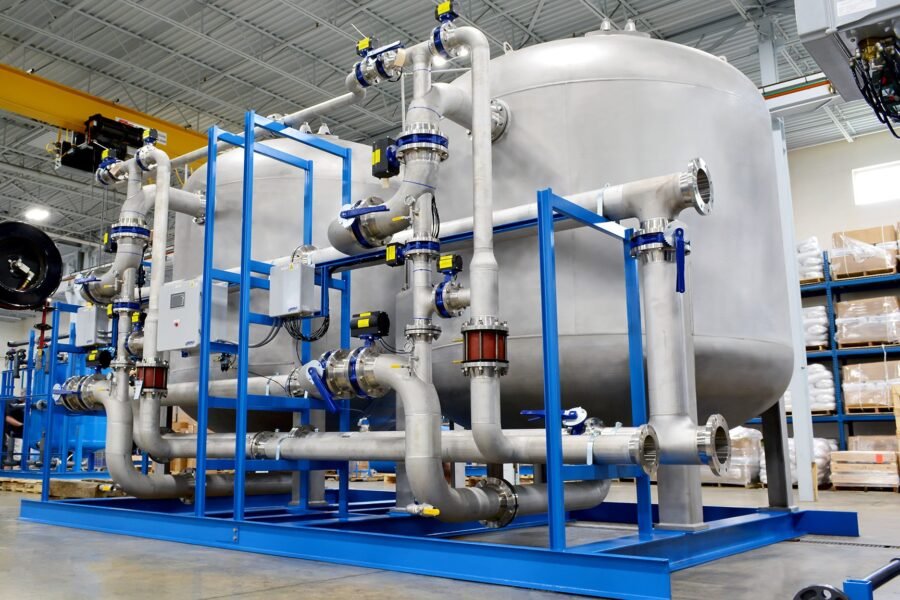
    Industrial water treatment can be considerably more complex. Manufacturing processes, cooling systems, boilers, production equipment, and other applications may require carefully controlled water characteristics.

    In these settings, even small changes in water chemistry can affect efficiency, maintenance, and equipment longevity. That’s why industrial treatment should generally begin with detailed water analysis and a clear understanding of the process requirements.

    The right solution may involve multiple treatment stages rather than one piece of equipment. Depending on the application, technologies can include filtration, softening, reverse osmosis, deionization, or specialized conditioning systems.

    Start With the Water, Not the Sales Pitch

    One of the easiest mistakes to make is choosing a treatment system before understanding the actual problem.

    A professional assessment can provide useful information about hardness, minerals, sediment, chlorine, and other characteristics. From there, treatment specialists can recommend equipment based on measurable needs rather than guesswork.

    This approach can also prevent unnecessary spending. If a particular contaminant isn’t present, there may be no reason to invest in technology designed specifically to remove it.

    Long-Term Support Matters

    Water treatment isn’t always a “set it and forget it” purchase. Filters need replacing. Systems may need servicing. Commercial and industrial equipment may require more structured maintenance.

    That’s why installation support and ongoing service should be part of the conversation from the beginning. A dependable provider should explain maintenance requirements clearly and make it easy to get assistance when something needs attention.

    After all, a treatment system is only useful if it continues performing properly over time.

    The Right Water Solution Is the One That Makes Sense

    Whether you’re improving water in a family home, managing a commercial property, or operating an industrial facility, the principle is the same: understand the water first, define the goal, and choose technology that fits.

    Good water treatment isn’t about buying the biggest system or following the latest trend. It’s about finding a practical solution that delivers the treatment you actually need.

    With thoughtful planning, proper testing, and the right equipment, better water can become a quiet, dependable part of everyday life — exactly as it should be.

  • Cleaner Water at Home: Choosing the Right Filtration Solution for Your Family

    Cleaner Water at Home: Choosing the Right Filtration Solution for Your Family

    There’s a quiet comfort in turning on the kitchen tap and trusting what comes out. We use water without thinking much about it—making tea, washing vegetables, filling a bottle before work, giving the kids a glass after they’ve been outside. It’s such an ordinary part of life that water quality often gets attention only when something tastes strange or leaves a stubborn mark behind.

    The truth is, water can look perfectly clear and still contain minerals, chlorine, sediment, or other unwanted substances. That doesn’t automatically mean your water is unsafe. It simply means understanding your water quality is worth the effort, especially if you’re choosing a filtration system for your home.

    Start by Understanding Your Water

    Before buying any treatment equipment, find out what you’re actually dealing with. Water quality can vary dramatically between neighborhoods, buildings, and even individual properties.

    Some households struggle with hard water, while others notice chlorine taste, sediment, unpleasant odors, or staining caused by iron. Private well water can present a different set of challenges than treated municipal water.

    A basic water test can give you useful information about hardness, pH, chlorine, iron, and other characteristics. Once you know what’s present, it becomes much easier to select technology that addresses the specific problem.

    Buying a filter first and asking questions later is a bit like buying glasses without checking your eyesight. It might work, but it’s hardly the smartest approach.

    When Reverse Osmosis Makes Sense

    For drinking and cooking water, homeowners often look for a system capable of reducing a broad range of dissolved contaminants. Reverse Osmosis Systems are one popular option because they use a semipermeable membrane to separate many dissolved substances from water.

    An RO system is usually installed at a point of use, such as a kitchen sink. Depending on the specific system and its certification, it can reduce certain dissolved solids and contaminants, while improving taste and odor.

    There is a trade-off, though. Reverse osmosis systems generally produce some reject water during the filtration process, and their filters and membranes require periodic replacement. Storage tanks and installation space may also need consideration.

    That doesn’t make RO a bad choice. It simply means the system should be selected with your water quality and daily usage in mind.

    What Is Whole House Filtration?

    If your concerns go beyond drinking water, treating water at a single kitchen faucet may not be enough.

    Whole House Filtration is designed to treat water as it enters the home, allowing filtered water to flow through multiple fixtures. This can be particularly useful when homeowners want to address concerns that affect showers, laundry, bathrooms, and appliances as well as drinking water.

    The type of filter used depends on the water problem. Sediment filters can target particles, while activated carbon is commonly used for improving taste and reducing chlorine. Other treatment technologies may be appropriate for specific contaminants.

    One important point: not every whole-house filter removes everything. The phrase sounds comprehensive, but the actual performance depends on the media, system design, flow rate, and contaminants being targeted.

    Don’t Forget About Hard Water

    Hard water deserves a separate conversation because filtration and softening aren’t quite the same thing.

    Hard water contains minerals such as calcium and magnesium. Over time, these minerals can leave scale around faucets, showerheads, and appliances. You may also notice that soap doesn’t lather as easily or that freshly washed glassware develops cloudy spots.

    A water softener can help address hardness by reducing calcium and magnesium through ion exchange. In homes where hard water is the main issue, softening may be more useful than simply installing a conventional filter.

    The right system depends on what you’re trying to accomplish. Cleaner-tasting water and softer water are related goals, but they aren’t identical ones.

    Is Bottled Water Still a Good Option?

    For some families, filtration equipment isn’t immediately practical. Renters may not want to modify plumbing, offices may need a simple hydration solution, and businesses can have very different requirements from residential homes.

    In those situations, Bottled Water Delivery can be a convenient alternative. Regular delivery means there’s less need to remember shopping trips or carry heavy water containers home.

    But convenience comes with considerations of its own. Bottled water creates packaging waste, requires storage space, and can become expensive over time depending on household consumption.

    For someone who drinks a lot of water every day, investing in an appropriate filtration system may eventually be more economical. For temporary situations, workplaces, or properties where installation isn’t practical, delivery can still make plenty of sense.

    Think About Maintenance Before You Buy

    A filtration system is not something you install and forget.

    Filters eventually become saturated. RO membranes need replacement. UV systems, where used, require maintenance according to manufacturer instructions. Water softeners need salt or other consumables depending on the technology.

    Ask about replacement schedules and costs before making a decision. A system that looks inexpensive initially may cost considerably more over several years if replacement components are costly or difficult to obtain.

    Also consider whether you can maintain the system yourself or whether professional service will be necessary.

    Flow Rate and Household Size Matter

    This is an easy detail to overlook.

    A small filtration system might perform beautifully at one kitchen faucet but struggle if several people are showering, washing clothes, and running appliances at the same time.

    Whole-home systems need to be sized according to household demand and plumbing conditions. Look at gallons-per-minute requirements, filter capacity, pressure drop, and the number of people using the water.

    A professional water treatment provider can help determine appropriate sizing rather than simply selling you the largest system available.

    Don’t Shop by Price Alone

    Cost obviously matters. Nobody wants to spend more than necessary.

    Still, the cheapest system isn’t always the best value. Consider the quality of the components, certifications where relevant, installation, warranty coverage, replacement parts, maintenance requirements, and expected service life.

    Most importantly, make sure the system actually addresses the contaminants you care about.

    A beautifully designed filter that doesn’t treat your particular water problem isn’t a bargain. It’s just an expensive decoration under the sink.

    A Practical Approach to Better Water

    Choosing a water treatment system doesn’t have to feel overwhelming. Start with testing. Identify the problem. Decide whether you need drinking-water treatment, whole-home treatment, softening, or simply a convenient water supply.

    Then compare systems based on performance, maintenance, cost, and long-term practicality.

    There isn’t one perfect solution for every household. A family with hard municipal water may need something completely different from a rural home using a private well. A small apartment may have very different priorities from a large family house.

    The goal isn’t to buy the most complicated equipment. It’s to find the right treatment for your actual water.

    After all, good water quality is something you experience every day, often without even noticing it. And when the system is properly chosen and maintained, that’s exactly how it should feel—simple, reliable, and quietly doing its job.

  • A Practical Guide to Better Water Throughout Your Home

    A Practical Guide to Better Water Throughout Your Home

    Most people don’t spend much time thinking about the water flowing through their homes. It’s there when we wake up, when we make coffee, wash dishes, take a shower, or fill a glass before bed. Water is one of those everyday essentials that quietly does its job in the background.

    Until it doesn’t.

    Maybe your drinking water has an odd taste. Perhaps your shower doors constantly collect white mineral spots, or your skin feels dry after bathing. Some homeowners notice rusty stains in sinks. Others simply get tired of carrying cases of bottled water home every week.

    These little frustrations often have something in common: the water itself may need attention.

    The good news is that improving water quality doesn’t always mean installing the biggest, most complicated system available. Sometimes the right answer is a small filtration system at a single faucet. In other cases, a home may benefit from treating the water supply before it reaches showers, appliances, and every tap in the building.

    The important part is understanding the problem first.

    Start by Looking at How You Use Water

    A household uses water in more ways than most people realize. Drinking is only a small part of the picture. Water also affects cooking, laundry, cleaning, bathing, plumbing fixtures, dishwashers, washing machines, and water heaters.

    That’s why one homeowner’s ideal treatment system may be completely different from another’s.

    For example, someone living in an apartment with decent municipal water may mainly want cleaner, better-tasting water for drinking and cooking. A compact filtration solution installed beneath the kitchen sink could make perfect sense.

    On the other hand, a larger family dealing with hard water, sediment, unpleasant odors, or staining may need a broader approach.

    Before choosing equipment, it helps to ask a few honest questions. What exactly is bothering you about the water? Is the issue mainly taste? Are there visible stains? Does soap struggle to lather? Is there an odor? Have you had the water tested?

    These details matter more than a fancy product label.

    A Convenient Option for Better Drinking Water

    For homeowners who want to focus specifically on drinking and cooking water, under-sink drinking water systems can be a practical choice.

    As the name suggests, these systems are typically installed beneath the kitchen sink and connected to a dedicated faucet or, in some setups, the existing faucet. Depending on the technology used, they can help reduce particular contaminants and improve the overall taste of water.

    One of their biggest advantages is convenience. Instead of constantly filling pitchers or storing stacks of bottled water, filtered water is available right where it is needed most.

    That can make everyday routines a little easier. Making tea in the morning, filling a reusable bottle before leaving the house, or cooking pasta at dinner suddenly becomes one less thing to think about.

    Of course, not every under-sink system does the same job. Carbon filtration, reverse osmosis, and other technologies have different strengths. That’s why homeowners should look beyond marketing claims and consider what the system is actually designed to reduce.

    When the Entire House Has Water Issues

    Sometimes the kitchen faucet isn’t the only concern.

    If mineral deposits appear on bathroom fixtures, laundry feels rough, or sediment seems to affect multiple areas of the home, treating only drinking water may not address the bigger issue.

    This is where whole-home filtration can become worth considering.

    A system installed near the point where water enters the house can treat water before it travels through the plumbing system. Depending on the setup, this may help address concerns such as sediment, chlorine, certain odors, or other water-quality issues throughout the home.

    The benefit is fairly straightforward: the treatment isn’t limited to one sink.

    Showers, bathroom faucets, washing machines, and other water-using fixtures can all receive treated water. For a household dealing with widespread water problems, that broader coverage may be more useful than placing separate filters at multiple locations.

    Still, bigger isn’t automatically better. A whole-home system should be sized according to water usage, household size, plumbing, and the specific water conditions. Installing equipment that doesn’t match the home’s needs can lead to disappointing results, and nobody wants to spend good money just to end up back at square one.

    The Everyday Difference Hard Water Can Make

    Hard water is another issue that can slowly make life more annoying.

    You may notice white spots on glasses even after they come out of the dishwasher. Faucets develop crusty buildup. Showerheads lose performance. Soap doesn’t seem to rinse away properly, and cleaning the bathroom becomes more work than it should be.

    Those minerals can also build up inside appliances and plumbing over time.

    For homes with excessive hardness, water softening may help reduce the impact of minerals such as calcium and magnesium. A properly selected softener can make a noticeable difference in everyday cleaning and may help protect appliances that regularly use water.

    There’s also a comfort factor that people sometimes underestimate. Clothes may feel softer after washing. Soap can lather more easily. Cleaning products may work better because they aren’t constantly fighting mineral-heavy water.

    It sounds like a collection of small improvements, and it is. But small improvements repeated every day can add up to something meaningful.

    Testing First Can Save Money Later

    One of the biggest mistakes homeowners make is buying a treatment system before understanding their water.

    It’s tempting to search online, read a few reviews, and order whatever seems popular. But water quality can vary significantly from one location to another, and even neighboring homes may have different concerns.

    A proper water test can provide valuable information about the water entering the home. Depending on the source and situation, testing may look at hardness, pH, iron, bacteria, total dissolved solids, or other factors.

    Once you know what you’re dealing with, choosing treatment equipment becomes much more logical.

    Think of it this way: you wouldn’t buy a dozen different tools before knowing what needs repairing. Water treatment works best when the solution is connected to a real problem.

    Testing can also prevent unnecessary spending. If your water is already suitable in one area, you may not need an expensive system designed to solve an issue that isn’t actually present.

    Maintenance Is Part of the Deal

    Even the best water treatment equipment needs some attention.

    Filters eventually need replacement. Some systems require periodic servicing, cleaning, or adjustments. A water softener may need salt replenishment, depending on the type of system.

    This doesn’t mean water treatment is difficult or high-maintenance, but it’s worth understanding the long-term responsibility before installation.

    Ask about replacement schedules, service requirements, operating costs, and expected lifespan. These practical details are easy to overlook when you’re focused on the initial purchase price.

    A cheaper system with expensive filters can sometimes cost more over several years than a higher-quality option with reasonable maintenance.

    Finding the Right Balance for Your Home

    Better water doesn’t always come from one magical machine. In many homes, the best solution is a combination of treatments designed around different needs.

    A household might use a whole-home filter for general water quality while installing a separate drinking water system in the kitchen. Another home may primarily need a softener. Someone else may only need a simple filter to improve taste.

    There is no prize for installing the most equipment. The goal is simply to have a system that works.

    When homeowners understand their water, consider how they use it, and choose treatment based on real needs, the results can be surprisingly satisfying.

    In the end, better water is one of those home improvements that can quietly improve daily life. You may not stop and admire it the way you admire a renovated kitchen or a freshly painted living room. But you’ll notice it in the little moments: a cleaner shower door, softer laundry, better-tasting coffee, fewer spots on dishes, and a glass of water you actually enjoy drinking.

    And sometimes, those everyday improvements are exactly the ones that matter most.