Making Everyday Water Better: A Practical Guide to Softeners, Delivery Services, and Drinking Water Systems
Water is one of those everyday essentials we rarely stop to question. We turn on the tap, fill a glass, make coffee, wash vegetables, and carry on with the day. Yet the quality of that water can affect much more than its taste. Hard minerals, unpleasant odors, sediment, and other impurities can create problems for households and businesses alike.
The good news is that improving water quality doesn’t always have to be complicated. With the right treatment approach, homeowners can deal with common water concerns while making their daily routines a little easier. The trick is understanding what your water actually needs rather than buying the first system that catches your eye.
Why Water Quality Deserves More Attention
Water can look perfectly clear and still contain dissolved minerals or other substances that affect how it behaves. Hard water, for instance, may leave chalky deposits around taps and showerheads. It can also make soap harder to rinse away and contribute to mineral buildup inside appliances.
For some people, taste is the bigger issue. Water that has an odd smell or flavor may encourage family members to reach for bottled drinks instead of the tap. That gets expensive over time, and it creates a pile of plastic waste too.
A thoughtful water treatment setup can address these everyday frustrations without turning the home into a science experiment.
Understanding Water Softeners
Hard water is particularly common in many areas, and it can become a nuisance after months or years of use. Mineral deposits can collect inside water heaters, pipes, faucets, and appliances. This is where water softeners can make a noticeable difference.
Traditional water softeners are designed to reduce hardness minerals, particularly calcium and magnesium, through an ion-exchange process. The result is water that is generally easier on plumbing and household equipment.
But a softener isn’t necessarily the answer to every water problem. It’s important to distinguish hardness from other concerns such as sediment, chlorine taste, or microbiological contamination. Different problems require different technologies.
The Convenience of Salt Delivery
For households and businesses using salt-based softening systems, keeping salt available is part of routine maintenance. Running out at the wrong time can leave the system unable to regenerate properly, which is hardly convenient when you’re already busy.
That’s why salt delivery services can be useful. Instead of remembering to check heavy bags of salt and haul them home, scheduled delivery can keep supplies coming when they’re needed.
For older homeowners, busy families, offices, and commercial properties, the convenience can be particularly valuable. It’s a small service, perhaps, but sometimes the little things are what make a system easier to live with.
Choosing a Drinking Water System
Not every household has the same expectations for drinking water. Some people simply want better taste, while others are concerned about specific contaminants or want an additional level of filtration for cooking and drinking.
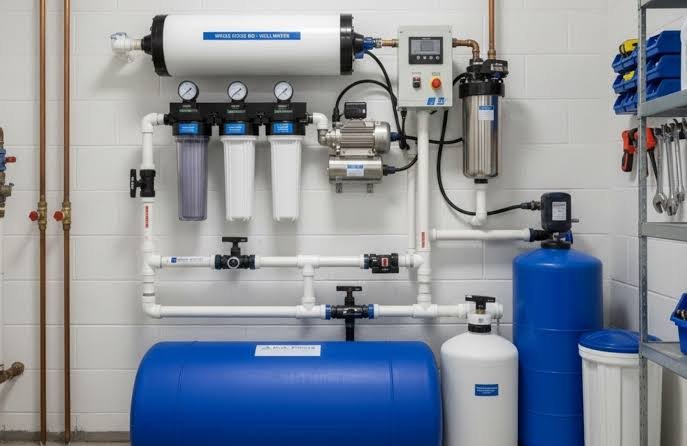
Modern drinking water systems come in many forms, including under-sink filtration, reverse osmosis units, countertop systems, and whole-house solutions. Each has its own strengths, costs, and maintenance requirements.
An under-sink filter, for example, can be a practical option when the main goal is improving water at the kitchen tap. A whole-house system may make more sense when water quality concerns extend throughout the property.
The important thing is not to assume that bigger automatically means better.
Start With Water Testing
Before spending money on treatment equipment, testing the water is a smart first step. It helps identify what you’re actually dealing with and prevents you from paying for technology you don’t need.
Depending on the water source, testing may look at hardness, pH, minerals, microorganisms, or other water-quality indicators. Private well owners should be particularly attentive because well-water conditions can vary and may require periodic testing.
Think of water testing as getting a diagnosis before choosing a treatment. You wouldn’t repair a car by replacing random parts and hoping the engine starts running better. Water treatment deserves the same practical approach.
Maintenance Is Part of the Deal
One thing that sometimes gets overlooked when buying a water treatment system is maintenance. Filters need replacing. Salt tanks need attention. Equipment may require cleaning or servicing. Ignoring those jobs can affect performance.
Fortunately, most routine maintenance isn’t particularly complicated. The key is consistency.
Keep track of filter replacement dates, follow the manufacturer’s recommendations, and don’t ignore unusual changes in taste, smell, pressure, or system performance. A small issue caught early is usually easier to deal with than a neglected problem that has been sitting around for months.
Comparing Cost and Long-Term Value
Price is obviously important, but it shouldn’t be the only deciding factor. A system with a low purchase price may have expensive replacement filters or require frequent servicing. Another system may cost more initially but offer lower ongoing expenses.
Look at the total cost over several years. Consider installation, maintenance, replacement parts, salt, electricity where applicable, and expected equipment life.
Also consider convenience. A system that requires constant attention may not be ideal for a busy household, even if the upfront price looks attractive.
Making a Smarter Water Treatment Choice
The best water treatment solution is rarely the one with the longest list of features. It’s the one that addresses your actual water-quality concerns and fits your lifestyle.
Start with testing. Learn whether hardness, taste, sediment, or another issue is causing trouble. Then compare treatment options and ask questions about maintenance, installation, warranties, and long-term operating costs.
Good water treatment isn’t about chasing perfection. It’s about making water work better for your home or business—and doing it in a way that’s practical, reliable, and sustainable.
Once you understand your water and choose equipment accordingly, the whole process becomes much less intimidating. And honestly, there’s something reassuring about turning on the tap every morning and knowing you’ve made a thoughtful choice about what comes out.