What Your Water Is Trying to Tell You: Choosing the Right Treatment for Home and Business
Water is easy to take for granted. You turn on the faucet, fill a glass, and get on with your day. But if you’ve ever noticed white spots on your dishes, dry skin after a shower, a strange taste in your coffee, or scale collecting around faucets, you already know that water quality can affect everyday life in some pretty noticeable ways.
The tricky part is figuring out what your water actually needs. Not every problem requires the same solution, and buying a treatment system simply because it worked well for someone else can be a bit like buying their shoes. It may look good, but it might not fit.
Start With the Water You Have
Before choosing a treatment system, it’s worth understanding what’s actually in your water. Hardness, chlorine, sediment, dissolved minerals and other impurities can all influence water quality, but they aren’t handled in exactly the same way.
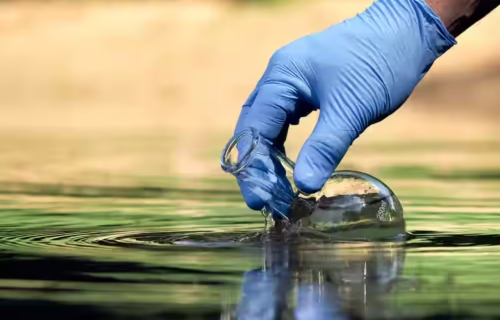
A basic water test can provide useful information and help you avoid spending money on equipment that doesn’t address your particular concerns. This is especially important for households using well water, where water characteristics can vary considerably from one location to another.
Once you know the problem, the solution becomes much clearer.
When Hard Water Becomes a Daily Nuisance
Hard water is one of the most common concerns homeowners notice. It contains higher levels of minerals such as calcium and magnesium. These minerals aren’t necessarily something you can see in the glass, but their effects can become obvious around the house.
You may notice scale around showerheads and faucets. Soap might not lather as easily, and dishes can come out of the dishwasher with cloudy spots. Over time, mineral buildup can also affect plumbing fixtures and water-using appliances.
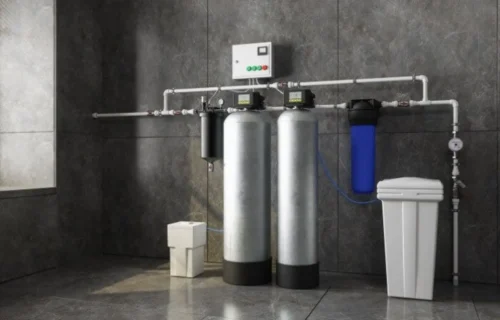
This is where Water Softener Systems can make a meaningful difference. By reducing the minerals responsible for hardness, a properly selected softener can help protect plumbing, improve the feel of water, and make everyday cleaning less frustrating.
It’s not a glamorous household upgrade, admittedly. But neither is scrubbing stubborn mineral deposits every weekend.
Filtration Is About More Than Taste
Softening and filtration aren’t interchangeable. A water softener primarily addresses hardness, while filtration can target different contaminants and unwanted characteristics depending on the technology being used.
For households concerned about chlorine taste, sediment, odors or particular impurities, Water Filtration Systems can provide a useful point-of-use or whole-home treatment option.
The important thing is to match the filter technology to the water issue. Carbon filtration, sediment filtration and other technologies have different purposes. A reputable water professional can help determine which approach makes sense instead of simply recommending the most expensive system on the shelf.
Your Kitchen Deserves Special Attention
Drinking and cooking water often deserves a little extra consideration because it’s something you consume directly.
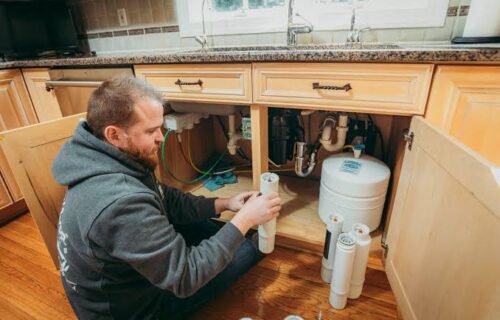
A dedicated drinking-water system can provide an additional level of treatment at the kitchen sink, which is convenient for filling glasses, preparing meals and making coffee. And honestly, coffee made with better-tasting water can be a surprisingly noticeable improvement.
For families, convenience matters too. If filtered water is readily available, there’s less temptation to keep buying bottled water. A reusable bottle becomes much easier to use when the good stuff is right there.
Businesses Have Different Water Demands
Water treatment becomes even more important in commercial environments because water isn’t usually being used by just one family.
Restaurants, hotels, offices, healthcare facilities, manufacturing operations and other businesses may have specific water-quality requirements. Scale can affect equipment, while poor taste or odor may be unpleasant for customers and employees.
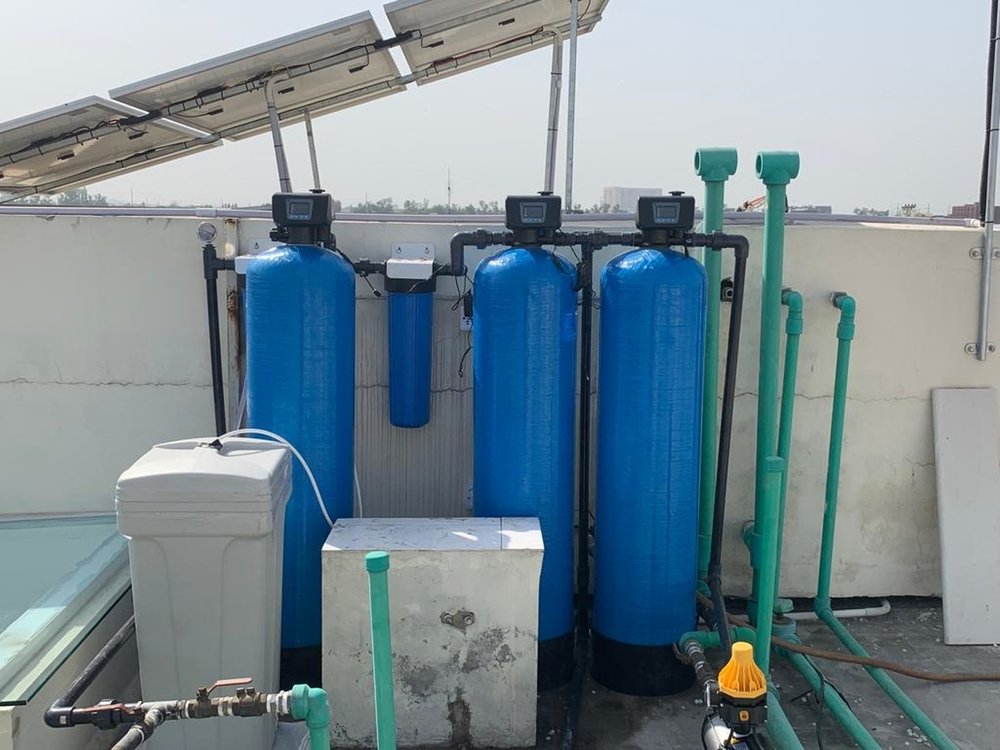
For operations that need highly treated water, a Commercial Reverse Osmosis System can be an effective solution. Reverse osmosis uses a semipermeable membrane to reduce many dissolved substances from water, making it useful for applications where consistent water quality is particularly important.
Of course, commercial RO systems need to be selected according to actual water conditions and the intended application. Flow rate, capacity, pretreatment and maintenance all matter. Bigger isn’t automatically better.
Don’t Forget the Equipment Around You
One thing people sometimes overlook is how water quality affects appliances.
Water heaters, dishwashers, coffee machines, ice makers and other equipment can be exposed to the same minerals and impurities that affect your faucets. Hard-water scale, for instance, can accumulate on components over time.
Treating water isn’t necessarily about fixing one annoying symptom. It can also be about protecting the equipment you rely on every day.
That said, treatment systems themselves require care. Filters need replacing, softeners need servicing, and reverse osmosis membranes eventually require attention. A system that’s ignored won’t perform at its best forever.
Consider the Long-Term Cost
Price matters, but the cheapest option isn’t always the least expensive in the long run.
When comparing systems, consider installation, replacement filters, salt or other consumables, electricity or water usage where applicable, and professional maintenance. A slightly higher upfront investment may make sense if the system is better suited to your water and easier to maintain.
Think about the cost of not treating the problem, too. Replacing damaged fixtures, cleaning heavy scale, or dealing with premature appliance wear can add up.
A Better Approach to Water Quality
The best water treatment decision usually starts with a simple question: What am I trying to solve?
If hardness is the issue, look at softening. If taste, odor or specific contaminants are the concern, investigate filtration. If a business needs highly treated water for a particular application, reverse osmosis may be worth considering.
There isn’t one magical system that does everything perfectly.
Good water treatment is more personal than that. It depends on the source water, the property, the number of people using it and what you expect from your water every day.
The Bottom Line
Better water doesn’t necessarily require complicated changes. It starts with understanding what’s coming through your pipes and choosing technology that actually addresses the problem.
Take the time to test your water, compare treatment options, understand maintenance requirements and consider long-term value. Whether you’re trying to reduce hard-water scale at home or improve water quality for a busy commercial operation, the right system can make daily life noticeably easier.
And sometimes, that’s the real measure of a good water-treatment investment: you stop thinking about the water because it simply works the way you want it to.